
—Terrence Dorner, B1Daily
At a congressional hearing for strategic resilience in the Atlantic, General Michael Langley was pressed for any information he had on difficulties in the region.
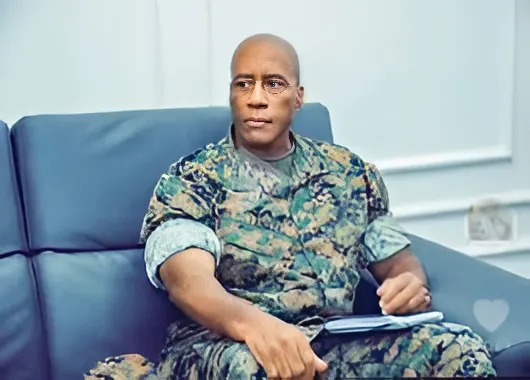
As head of Africa Command (AFRICOM), Langley has purview over the U.S. military’s presence on the continent, but as a highly decorated Marine, Langley also has proven experience on the battlefield. Langley stated that Burkina Faso had indeed nationalized its gold reserves but had failed to deliver any of its benefits to its people. He went on to say that intermediaries, private industry, and heads of state were siphoning off profits while neglecting the Burkinabe people.

“Burkina Faso has made big changes in the region since its second coup since 2022. While many of the changes are bold and progressive, there are a few things that should raise red flags to other African nations,” said Merrick.
Here are Burkina Faso’s transitional government’s biggest issues so far.
Are Langley’s claims true?
Trei Merrick has worked with dozens of intelligence agencies over his 20 years in the field, and he says that the United States’ claims of Burkinabe corruption so far are unsubstantiated. But he insists there are bigger problems in the country than that.
Burkina Faso has localized its gold production.
There are mainly five foreign entities who had access to Burkina Faso’s mines following the 2022 coup: Endeavour Mining, West African Resources, Nordgold, and Orezone Gold Corporation all hold mines within the region, with UK-based Endeavour holding a majority of the mines, although the firm has relinquished a 90% ownership stake to the junta-led government.
“Burkina Faso has made big changes in the region since its second coup since 2022. While many of the changes are bold and progressive, there are a few things that should raise red flags to other African nations.” — Trei Merrick
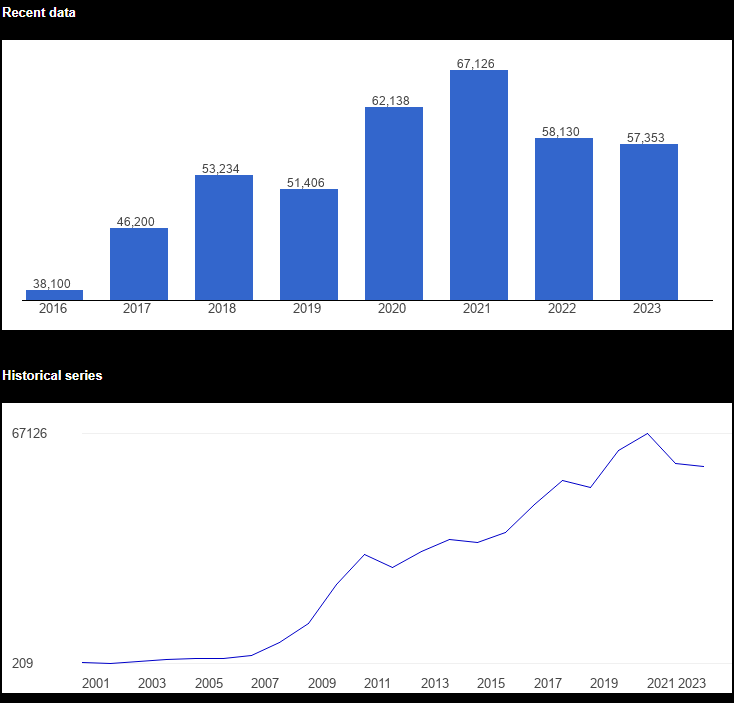
A fifth of mining royalties are collected by the state, while 1% of mining-company revenues go into a government-managed fund that finances development projects in local mining communities and elsewhere.
This means Burkina Faso is producing its own gold bars locally and refining them in its own factories.
Traoré Continues to Struggle with Islamic Insurgents
According to the African Center for Strategic Studies, deaths caused by militant Islamist violence have nearly tripled compared to the 18 months before the January 2022 coup, and violence has increased by 46%. This trend, combined with the spread of extremist activities around Ouagadougou, places Burkina Faso on the brink of collapse.
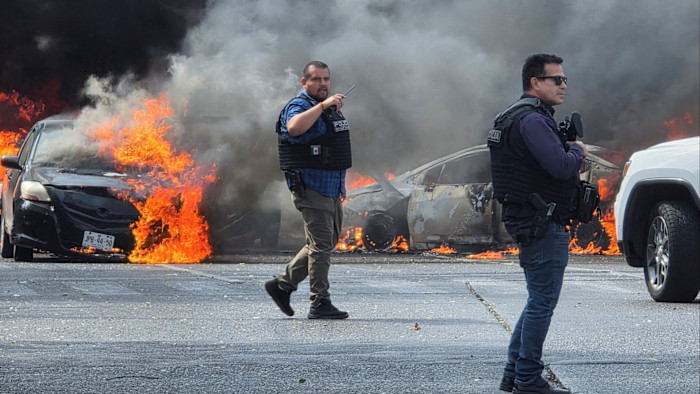
As seen in the August 2024 attack in the Mansila area near the border with Niger, carried out by the group Jama’a Nusrat ul-Islam wa al-Muslimin (JNIM — Support Group for Islam and Muslims), civilians often get caught in the crossfire between Burkinabe forces and jihadist militias.
An estimated 6,000 Burkinabe civilians died in conflict-related violence between January and August 2024 alone. Additionally, over 2.3 million Burkinabe citizens have been displaced from their homes due to the conflict.
Jailing of Journalists Raises Red Flags
The Traoré government has imprisoned at least nine journalists that we can list, along with closing down three local media companies with no links to foreign interests, with the exception of the France 24 journalist who was abducted in October.
It is assumed that many of these journalists are being forced into conscription in the Volontaire pour la Défense de la Patrie (VDP — Volunteers for the Defense of the Homeland), an armed self-defense group working as an auxiliary force to the Armed Forces to fight Islamist armed groups.
Banning of Protests
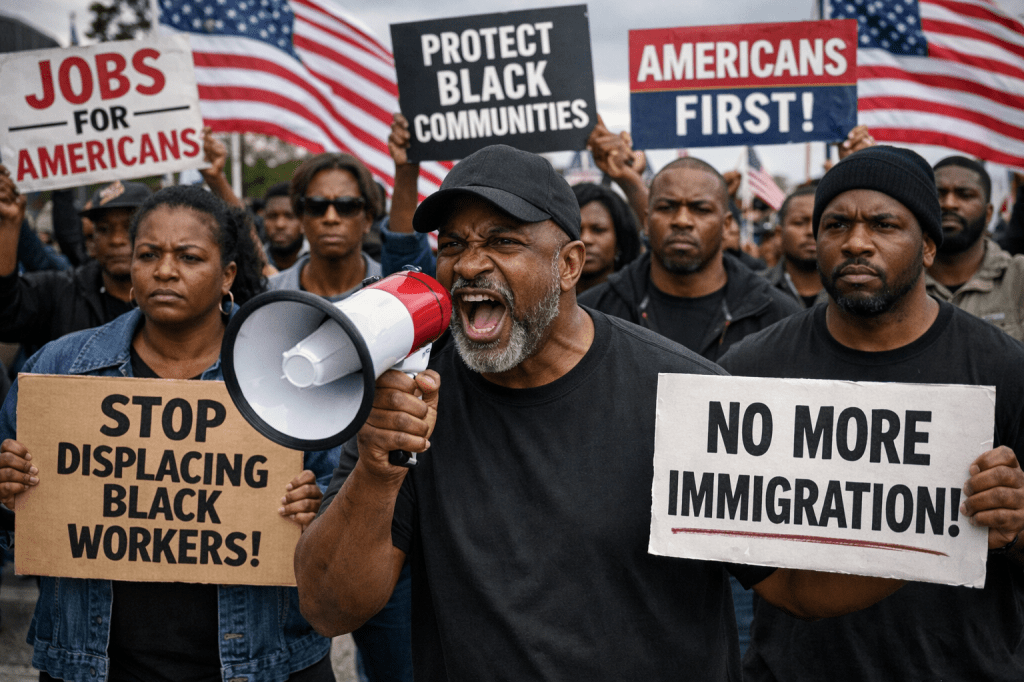
While it is common to suspect foreign involvement in protests against transitional governments, Burkina Faso has cracked down on seemingly every form of protest not dedicated to praising the new government. Since the military coup of September 30, 2022, Communiqué No. 3 has suspended the political activities of civil society organizations and political parties.
“Burkina Faso has suspended political activities in perpetuity, and this is very alarming.” — Trei Merrick
Conclusion
In conclusion, analysts have not found examples of widespread corruption in Burkina Faso but have identified alarming patterns of dictatorial behavior, suppression of opposition movements, and a lack of transparency surrounding a future election.
No country is perfect, but Burkina Faso must address these criticisms or risk slipping into another era of foreign intervention.
—-Terrence Dorner, B1Daily


 B1Daily
Leave a comment