
—Barrington Williams, B1Daily
Following the second civil rights movement, more Blacks began working in manufacturing thanks to new legislation preventing whites from wholefully excluding Black Amercians from the national economy (legally speaking) and yet racial tensions still rose.

Despite the very factories that the white workers were employed at were created with the usage of Black taxpayers’ dollars, whites in unions organized to first ban Blacks. Once white union workers could no longer stop Black Americans from being employed, they moved to informally ban Black people from management and leadership positions in private institutions. A practice that is used by the white populace to this very day.
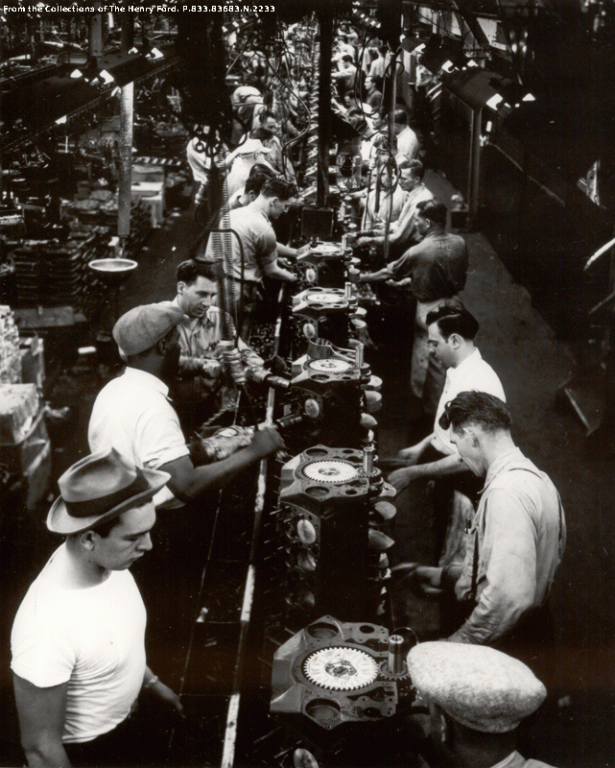
The majority of the Black manufacturing workers resided in Michigan, since there were dozens of car companies located in the state, hence hundreds of manufacturing facilities to accommodate them.
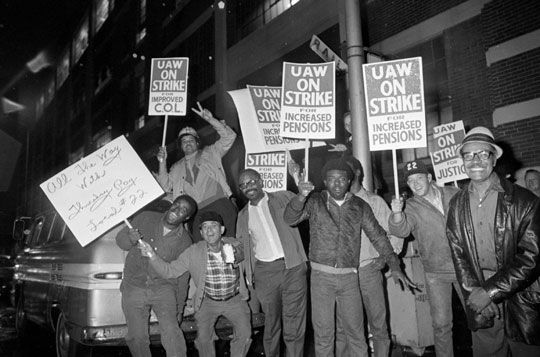
Chrysler-Dodge was the state’s largest employer at the time, and Black men returning from war were glad to work and contribute to their communities but were utterly fed up with the racism coming from their white counterparts.
Chrysler-Dodge’s company segregated lunchrooms, its white workers spray painted hate symbols on Black workers lockers (Tesla anyone?), white managers employed by the company regularly fired Black workers for no reason at all, and white laborers physically attacked Blacks who attempted to work overtime.
From top to bottom, white supremacist attacked Blacks for trying to pull themselves up by their bootstraps.
That’s where Gordon Baker comes in.
Known as “The General” by his union allies, General Gordon Baker was a southern born Freedmen, who had moved to the city with his wife and child in hopes of working towards a new house for the family.
Following a union strike at the Chrysler-Dodge plant in May of 1968, white workers were not fired, but all Black workers who participated were.
The Union known for its own racism didn’t defend the Black workers who had been fired.
This infuriated Gordon Baker.

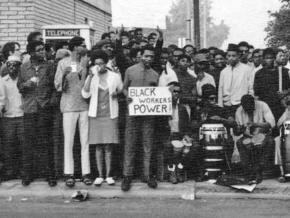
In response, Baker organized the Dodge Revolutionary Union Movement (DRUM) with two former classmates Luke Tripp and John Watson, from Wayne State University, to demand higher wages for Black workers in the workplace and demanded the purging of racists from white-led union’s ranks.
DRUM’s organizational efforts included guerrilla warfare, protesting, fundraising, and media campaigns, all strategies that white unions largely wouldn’t begin using until the 1980’s.
Following the 1967 riots in Detroit, Black workers were more energized than ever and most importantly more organized.
Baker was sought out by multiple Black grassroots organizations including the famed Blackstone Rangers.
It was then, on July 8 that Baker and DRUM led a brigade of 4,000 Black citizens looking to feed their families on a strike against Chrysler-Dodge, preventing the production of over 3,000 cars within 48 hours.
Millions of dollars had been frozen overnight.
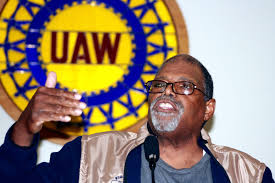
By 1969, the “Revolutionary Union Movement” wildcat strikes spread to other auto plants in greater Detroit, like Ford, Mercury, Cadillac.
Even UPS workers copied the Black union’s tactics.
Baker not only forced the racist unions to allow Black workers memberships, but his Black led union, Drum, forced the white corporations to pay everyone including the racist white workers more.
Can there really be unity between the Black community and a white populace that has spent the last 400 years trying to snuff out revolutionaries like these? One must never forget that the same people calling themselves “allies” and “99%” were the ones working against these brothas at every turn.
The Black community salutes Baker, Tripp, Watson and the entire Revolutionary Union Movement for their honorable efforts in service of their community.
—Barrington Williams, B1Daily
 B1Daily
Leave a comment