—Michael Lyles, B1Daily
The Black diaspora has been in the wilderness for 300 years. Why?
Africa is weak. Its economies are weak. Its militaries are nonexistent or unorganized. And its people are weaker still.
Many in the motherland wonder why much of the diaspora shames and rebukes Africa as a whole. Quite simply put, its due to the fact that Africa is supposed to be the entire diaspora’s home and contingency plan should disaster strike elsewhere.
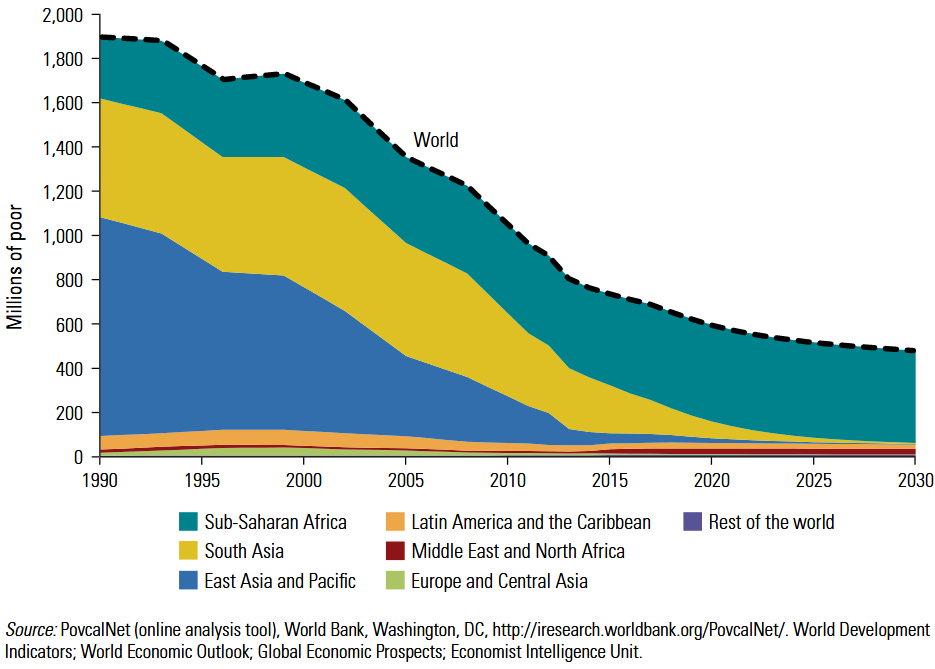
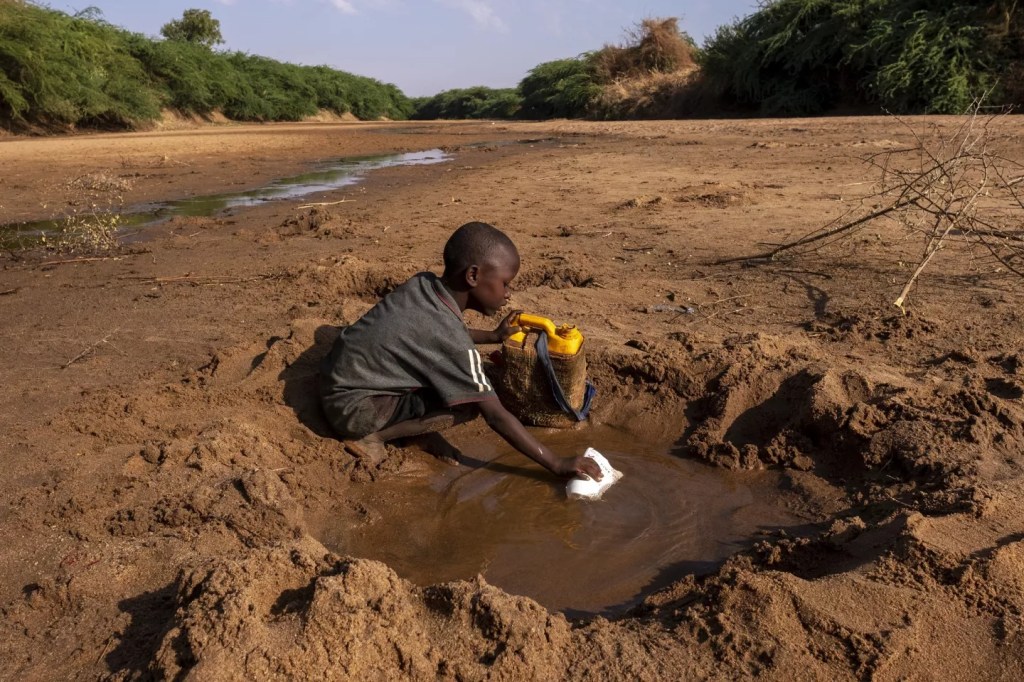
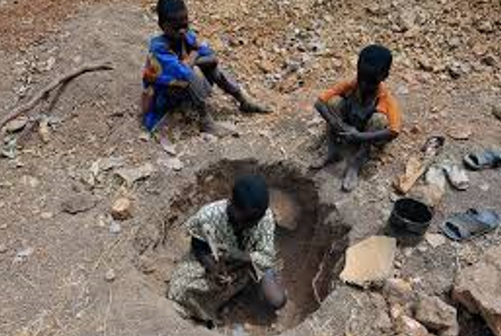
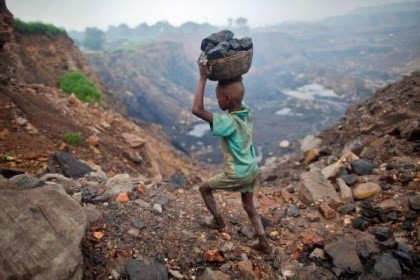
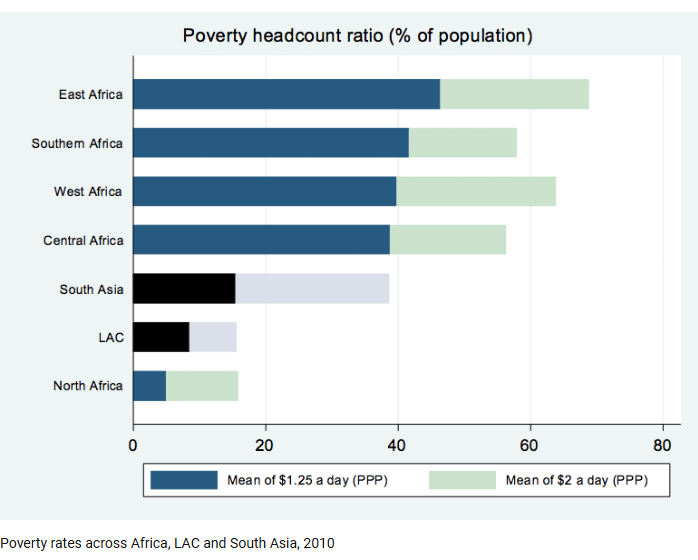
But the children of the diaspora cannot return to a failing continent. Currently Africa has no major industry owned by Africans and has a poverty epidemic in every nation on the land mass.
Its time for Africa to get its house in order and make a place for the children of Africa to return to. The continent’s militaries should take the lead.
To start, Africa must become synonymous with the term of manufacturing. The continent should aim to produce at least 30% of the goods sold in western economies. And its militaries should lead the endeavor.
Every African state must have a standing military that abides by the laws of the African Union or at the very least, international law.
Following eastern nations’ example, each African state’s militaries should allot a third of its manpower to native building projects and bases. This means that the nation’s budgets should take this into account. Military-led infrastructural projects not only create jobs for servicemen and civilians alike, it also allows a military to test its logistical capabilities in different conditions.
Protect your data with Nord VPN, get 60% off with code B1.
While having the military work in tandem with private industry may seem daunting at first, it should be remembered most importantly as a linchpin mechanism of sorts between the state and private equity needed to spur innovation.
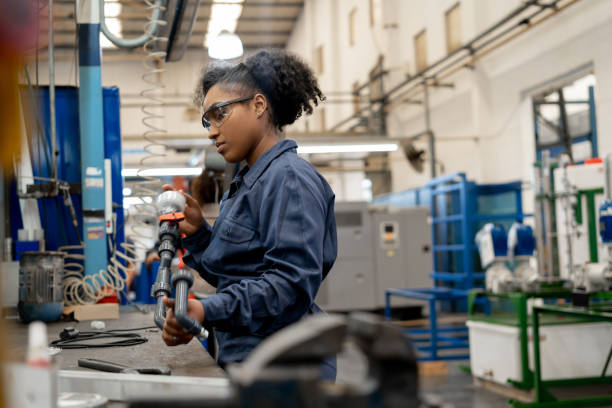
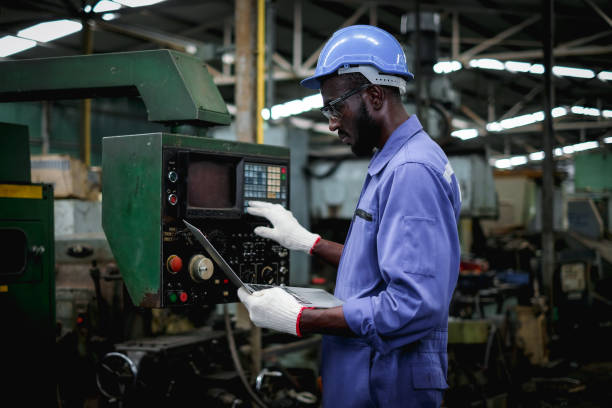
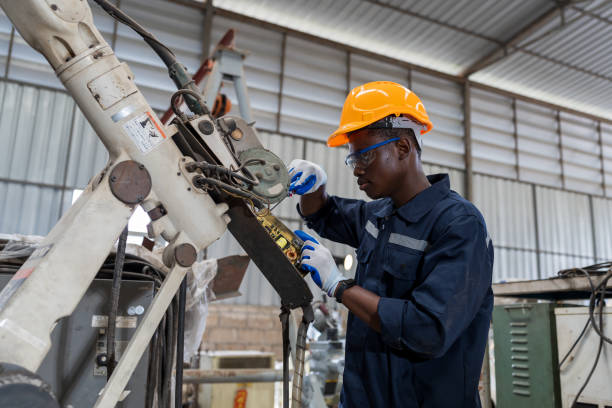
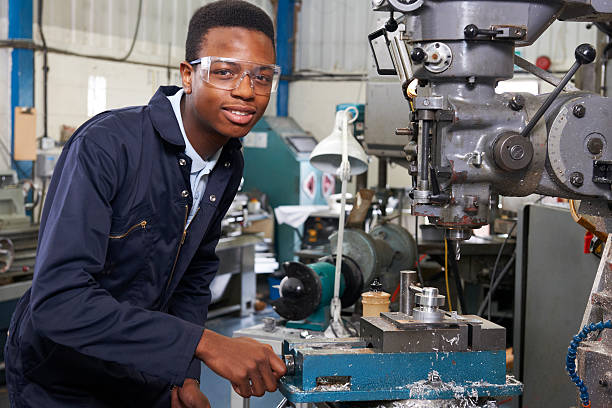
If African militaries work to build new manufacturing hubs in their nation’s rural areas, they not only stand to gain the ability to coordinate with local fighting forces familiar with the region, they’ll also gain a new recruitment tool for youth who will see the new factories being built as a opportunity to move their families out of poverty.
Additionally, factories need townships to feed, house, and clothe its workers. More business will either be created in the area or move to the area to reap in profits from soldiers and industry workers’ purchases. In short, rural regions in Africa would benefit the most due to the amount of equity being poured into their communities.

Africa’s fighting forces will be responsible for not only mending ties with rural rebel groups but employing them by inducting them into the military itself.
If rebel forces are fighting, its because they’re not working.
Having the military in the region provides a deterrent for foreign and native forces. More importantly, it serves as a conditional safeguard of the states’ and private equity’s investments in the region.
Africa’s fighting forces will be responsible for not only mending ties with rural rebel groups but employing them by inducting them into the military itself.
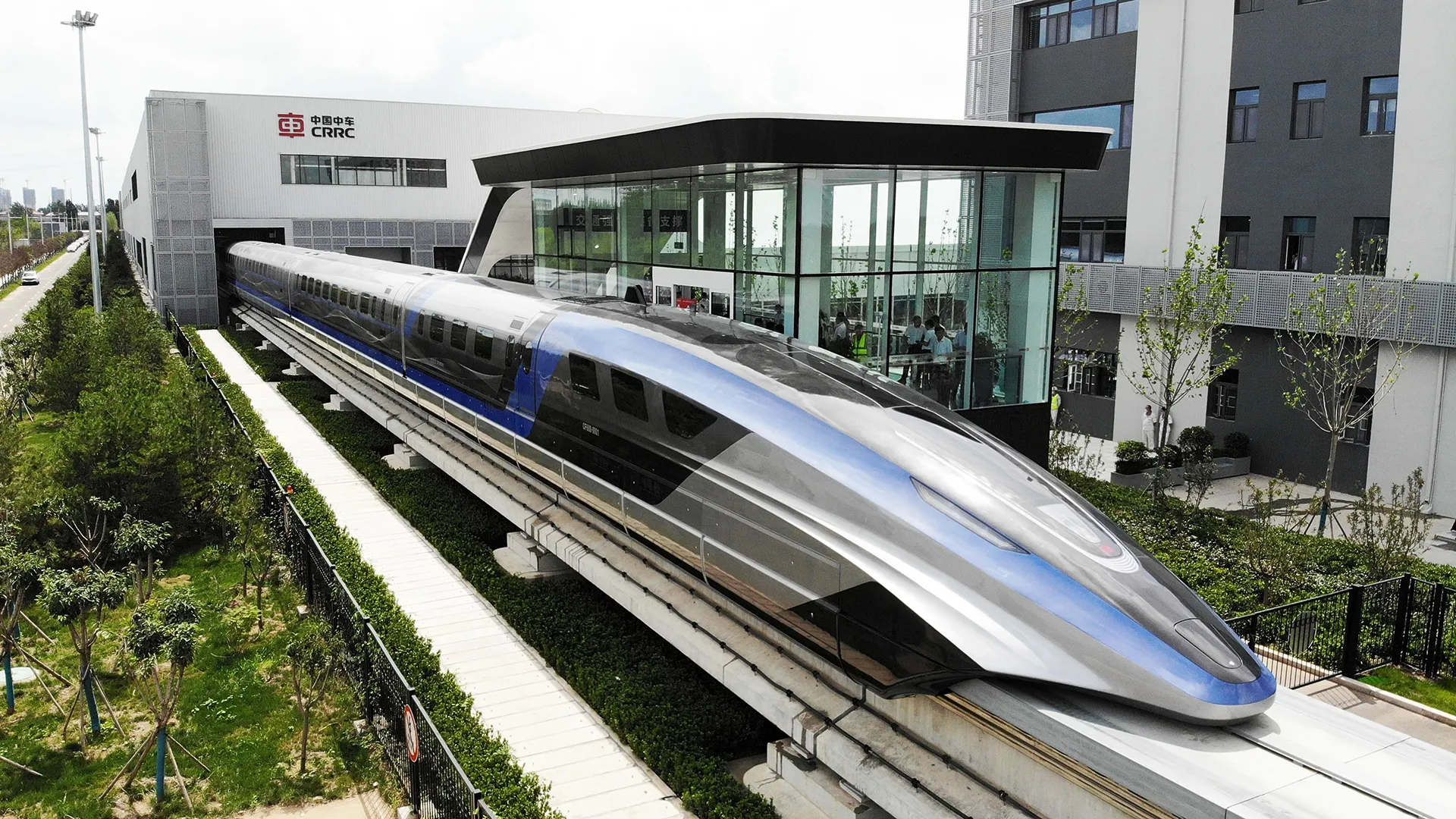
Isolated areas in the region will require faster transportation to population centers, leaving a excellent opportunity for African militaries to start building magnetic train systems and proper commercial airports. Africa’s populations should be more connected than ever, and the time it takes to traverse regions is a key component of that concept.
In addition, it cannot be overstated how much money Africa will make once it comes up with its own version of a Schengen Agreement allowing for intercontinental travel and easement of trade embargos.
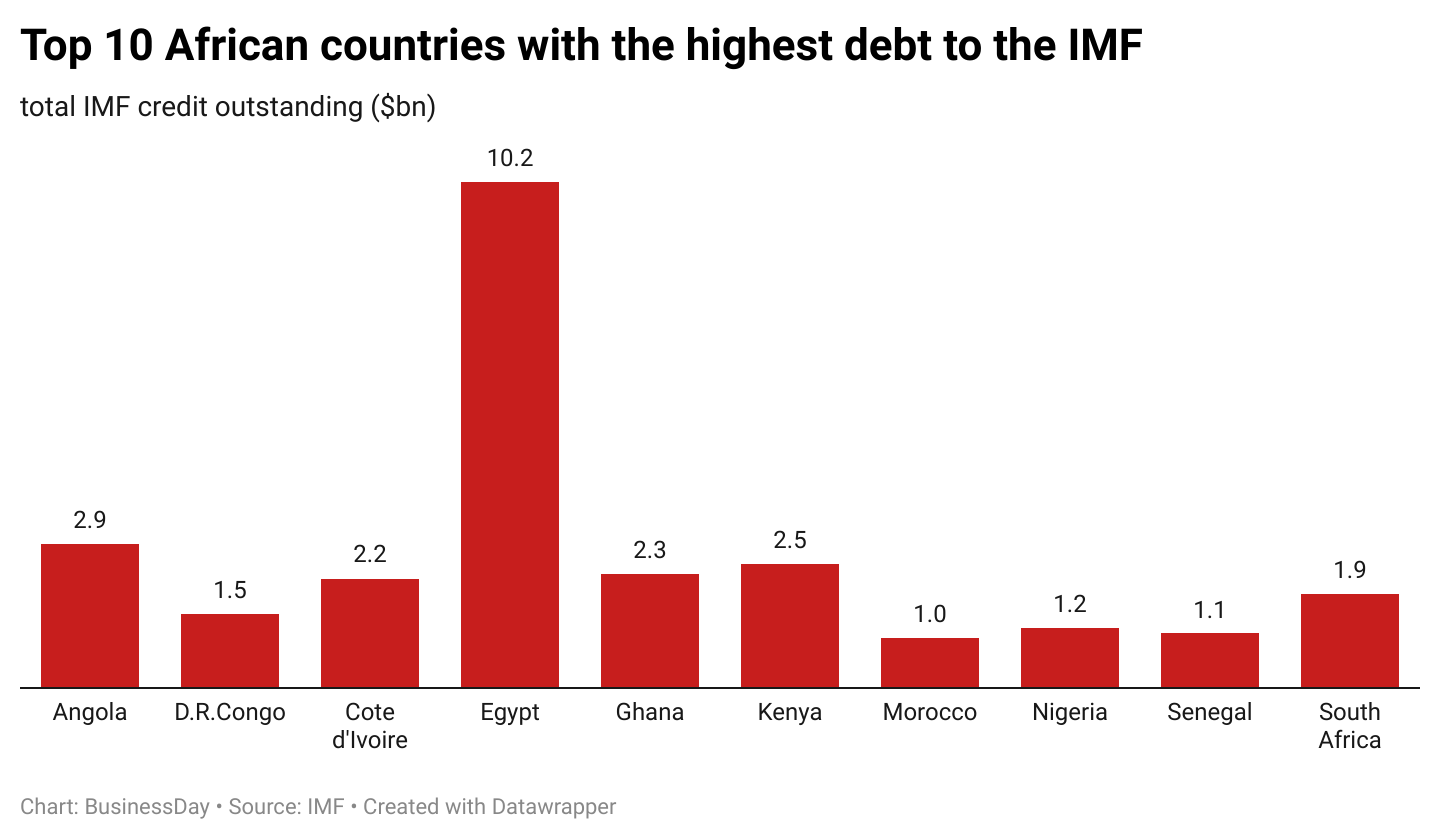
Africa will need to spend the next 20 years developing trade agreements between its own nation states, only then can it hope to pay back the unreasonable debt levied by China, Russia and the Europeans at the IMF.
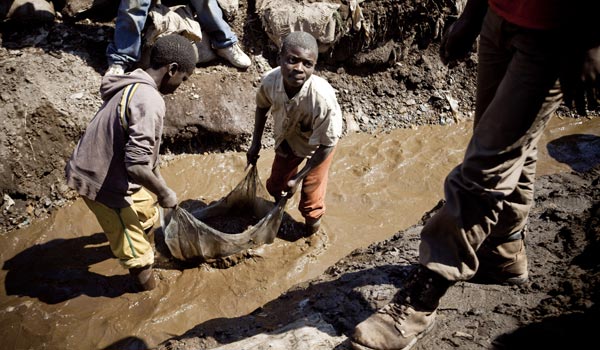
In the case of minerals, China is almost exclusively reliant on Sub-Saharan Africa for its cobaltimports, and significantly reliant for manganese (the latter primarily from Gabon, South Africa and Ghana). Sub-Saharan Africa is also an important supplier of timber (mainly from Gabon, Republic of Congo, and Cameroon) and chromium (mainly from South Africa, Madagascar, and Sudan), accounting for around one-seventh of China’s global importseach. However, with respect to China’s imports of iron ore and copper, Sub-Saharan Africa is still a relatively small contributor.

For the past 100 years the African continent has been handicapped by poor business deals made by those who held their personal wealth in greater regard than their fellow citizens.
Africa will need to spend the next 20 years developing trade agreements between its own nation states
Africa must get rid of its debts. Nation states can prolong debt at negotiable interest rates or or request total cancellation of it. Africa should do both. All future deals with foreign entities should always be heavily scrutinized by the African Union and the local conferences within the region in question. All loans made with foreign entities should also be subject to biannual negotiations since Africa has extraordinary economic and social circumstances.
Lastly, and by far the most important aspect of these goals are the state’s willingness to invest in its own civilian population. The nation states of Africa must want to create prosperity for its peoples. It shouldn’t punish its citizens for their creativity, it should reward them by facilitating its people’s ideas by turning them into profitable ventures.
The African continent has been handicapped by poor business deals made by those who held their personal wealth in greater regard than their own fellow citizens.
This new era will be filled with missteps and mistakes for the African, but we must not let that deter us. Africa stands on the precipice of history and the rest of the diaspora will force it to become self sufficient by any means necessary.
—Michael Lyles, B1Daily




 B1Daily
Leave a comment