—Windward Quietist, B1Daily

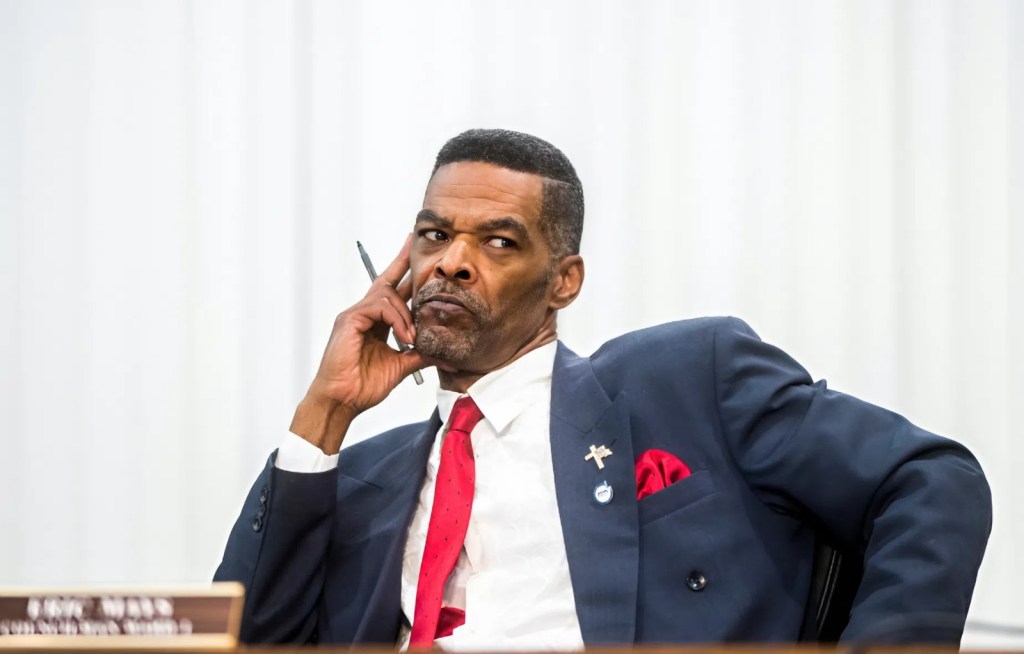
“First, the water. Then, the silence.” — Reverend Allen Overton, Flint clergy coalition
“Flint water crisis, human-made public health crisis (April 2014–June 2016)
involving the municipal water supply system of Flint, Michigan. Tens of
thousands of Flint residents were exposed to dangerous levels of lead, and
outbreaks of Legionnaire disease killed at least 12 people and sickened dozens
more.” – https://www.britannica.com/event/Flint-water-crisis
When lead seeped into Flint’s tap water in 2014, it didn’t discriminate. But when authorities delayed fixes, denied culpability, and diverted resources, the crisis followed a classic American script: Black communities disproportionately bear the brunt of systemic neglect. Flint’s population is 56.65% Black, with 34.4% living below the poverty line.
“How many times do we have to prove we deserve basic help?” — Flint resident Sheila Brown, upon hearing the news.
The Michigan House of Representatives sparked outrage on December 12, 2025 after voting to withhold $8.3 million in funding earmarked for programs supporting victims of the Flint water crisis. The decision, passed along partisan party lines, cuts financial support for healthcare, nutrition, and home repair initiatives in a city still dealing with the aftermath of lead poisoning and infrastructure neglect nearly a decade later.
The Funding Fight
The blocked funds were part of a supplemental budget bill intended to address lingering crises across Michigan. Advocates argued the money would expand access to: Lead poisoning treatment programs, Mental health services for trauma survivors, Pipe replacement subsidies for low-income homeowners
Republican lawmakers, who control the House, defended the move by citing “fiscal responsibility” and questioning the “efficacy of continued spending” on Flint-specific aid. Democrats countered by pointing to studies showing elevated lead levels in children and unresolved water safety complaints.
Backlash and Broken Promises
Community organizers immediately condemned the vote as a betrayal. “They promised ‘never again,’ then pulled the rug out,” said Nayyirah Shariff of Flint Rising. The city’s water system, though compliant with federal technical standards, remains distrusted by residents after years of contamination cover-ups.
The decision also reignited debates about environmental racism, as Flint’s majority-Black population has historically borne the brunt of government mismanagement. Comparisons to bipartisan support for disaster relief in wealthier, whiter communities are already circulating online.
Governor Gretchen Whitmer could still attempt to redirect funds via executive action, but options are limited without legislative approval. Meanwhile, Flint’s nonprofits prepare for increased demand with dwindling resources.
Sources: Detroit Free Press, MLive, Flint community advocacy groups, Britannica
—Windward Quietist is a private researcher of media, religion and social media trends and a contributor to B1Daily News




 B1Daily
Leave a comment