—Sylvester Loving, B1Daily
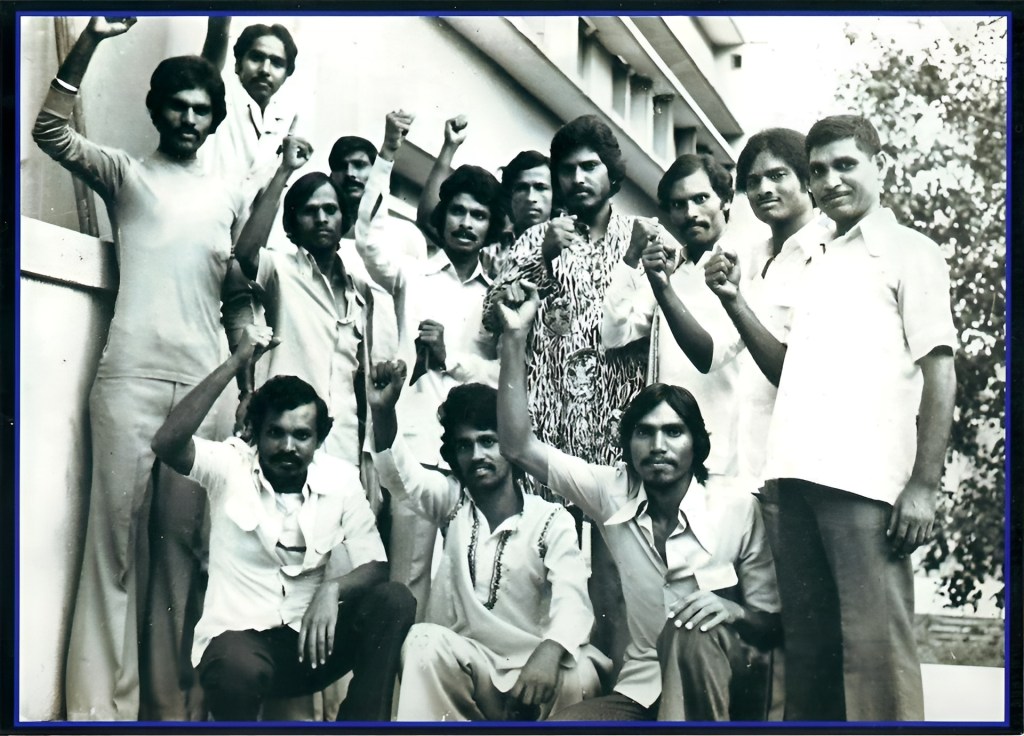
The Dalit Panthers were a militant anti-caste movement formed in 1972 in Maharashtra, India, during a period of intense social inequality, political unrest, and rising Dalit assertion. The group emerged as a response to systemic caste oppression, economic exploitation, and violence against Dalits, particularly in urban slums and rural areas, where constitutional protections were poorly enforced.

Origins and Inspiration
The movement was inspired by the Black Panther Party in the United States, adopting its confrontational style, emphasis on self-respect, and focus on structural injustice. The name “Panther” symbolized resistance rather than passivity. Ideologically, the Dalit Panthers were deeply rooted in the thought of Dr. B. R. Ambedkar, the chief architect of India’s Constitution and a leading critic of the caste system.
Leadership and Ideology
Key founders included Namdeo Dhasal, a powerful poet and activist, and J. V. Pawar, a writer and organizer. Their 1973 Dalit Panthers Manifesto expanded the definition of “Dalit” to include not only untouchables but also Adivasis, landless laborers, poor farmers, women, and other marginalized groups, framing caste oppression as part of a broader system of class and social exploitation. The manifesto criticized Hindu social order, state hypocrisy, and failures of post-independence democracy.

Activities and Impact
The Dalit Panthers organized street protests, demonstrations, and direct action against caste violence, police brutality, and discrimination in housing, employment, and education. They also used literature and cultural expression as tools of resistance, helping spark the Dalit literary movement, which gave voice to lived experiences of humiliation, poverty, and anger that had long been excluded from mainstream Indian literature.
Legacy
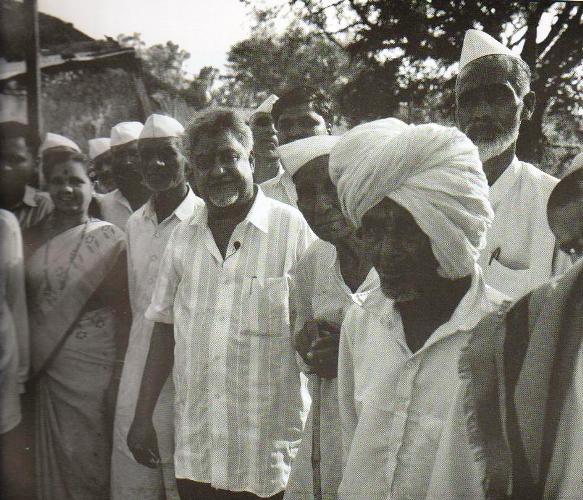
By the late 1970s, the movement fragmented due to internal ideological conflicts, state repression, and co-optation by electoral politics. Despite its short organizational life, the Dalit Panthers left a lasting legacy. They transformed Dalit politics from a largely reformist approach into one that openly confronted power, inspired future Dalit movements, and reshaped debates on caste, identity, and social justice in India.
Overall, the Dalit Panthers marked a turning point in modern Indian history by asserting Dalit dignity, anger, and political agency, and by linking caste oppression to wider struggles for equality and human rights.
—Sylvester Loving, B1Daily



 B1Daily
Leave a comment