—Barrington Williams, B1Daily
Looks like immigrants don’t always work harder.
In recent weeks federal and state investigators have exposed massive fraud schemes embedded in Minnesota government programs—schemes that didn’t just drain public funds, but stole resources from the Black communities these programs were supposed to help.
The headline case, Feeding Our Future, revealed how a nonprofit entrusted with feeding low-income children allegedly fabricated meal counts on an industrial scale, siphoning tens—possibly hundreds—of millions of dollars. While prosecutors stress that these cases are about criminal behavior, not ethnicity, the fallout is unmistakable: money meant for struggling Black families and children vanished into fraudulent operations while real needs went unmet.
The pattern repeats across other programs. In Housing Stabilization Services, Medicaid-linked funding was allegedly hijacked by sham companies billing wildly inflated claims. Similar accusations plague autism services and Medicaid providers, with claims of fake diagnoses, phantom services, and kickback schemes. These abuses don’t happen in a vacuum. They erode already-fragile safety nets that Black Minnesotans rely on disproportionately, leaving legitimate providers underfunded and communities underserved.

Investigators describe a familiar playbook: shell organizations, fake paperwork, exaggerated billing, and kickbacks. Prosecutors call this one of the largest public-benefits fraud scandals in state history—potentially involving billions. Yet while criminals walked away with luxury cars and real estate, Black neighborhoods continued to face underfunded schools, housing instability, food insecurity, and overstretched social services.
This is where policy failure collides with inequality.

For too long, immigrated groups in the US have been allowed to defraud money from the federal and state governments all while Black Americans of the native population receive nothing. Weak oversight, rushed program expansion, and politically untouchable bureaucracies created conditions where fraud flourished—and Black communities paid the price. Every dollar stolen is a dollar not spent on housing stability, healthcare access, or food security for people who actually need it.
This thievery on behalf of the Somalis will undoubtedly be used to justify withholding state or federal contracts and many other resources from the native Black population.
Despite loud speculation, courts have not established that fraud proceeds were routed to terrorist organizations. What has been established is something more concrete and more damaging: public trust was broken, and the harm landed hardest on Black residents who were already fighting systemic neglect.
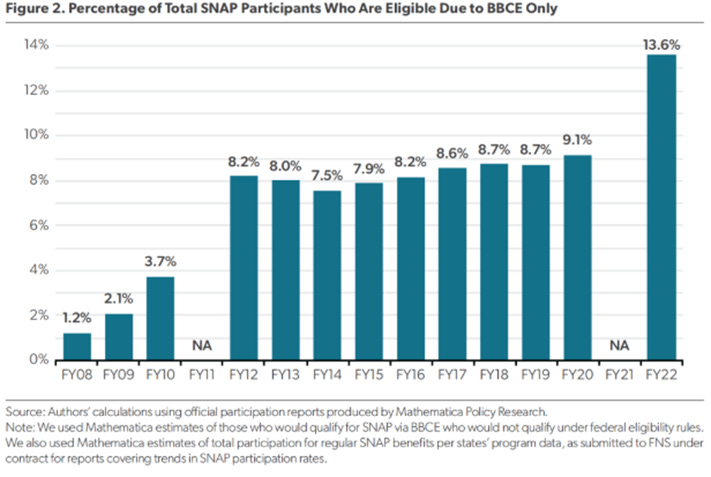
Authorities emphasize that fraud is an individual crime, not a community trait—and they’re right. But it is also true that poorly managed immigration and social-service systems, when combined with political cowardice and weak enforcement, create unequal harm. When accountability fails, Black communities are the first to lose and the last to be made whole.
Investigations are ongoing. More charges may come. The real test will be whether reforms finally ensure that public programs serve the people they were designed for—instead of enriching fraudsters while Black communities are told, once again, to wait.
Well, perhaps the Somali community can explain how “hard they work” to the dozens of state and federal auditors.
—Barrington Williams, B1Daily



 B1Daily
Leave a comment