—Jazmine Rainey, B1Daily
Dispenza argues that most human behavior is driven by subconscious programming formed through repetition, emotion, and past experience. Conscious change, he says, requires interrupting these automatic patterns rather than simply thinking positively. Awareness must reach below surface-level thought and into the neurological habits that regulate emotion, stress, and identity.
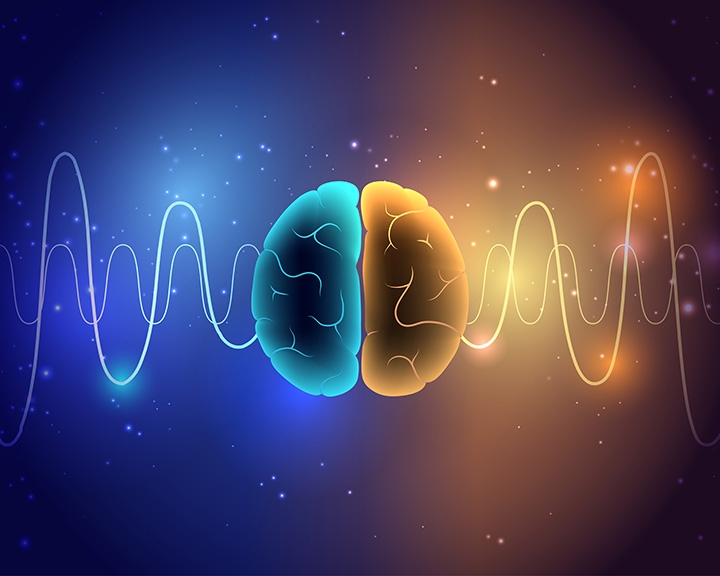
A central theme is the role of brainwave states, particularly the theta state. Theta is described as a deeply relaxed yet alert condition in which the analytical mind quiets and the subconscious becomes more accessible. In this state, the brain is more plastic and receptive to new information, allowing outdated emotional responses and beliefs to be replaced with new patterns.
Dispenza presents meditation as a form of self-directed neurotherapy. By repeatedly entering theta and pairing focused intention with elevated emotional states, individuals can reinforce new neural circuits. Over time, these changes can alter stress responses, emotional regulation, and even physiological processes tied to the autonomic nervous system.
The discussion frames consciousness as an active biological process rather than a passive experience. According to Dispenza, consistent mental training can rewire the brain in measurable ways, shifting people from unconscious reactivity to conscious self-regulation. In this view, meditation functions as a non-pharmacological method of neural retraining, aligning closely with principles used in neurofeedback and therapeutic brainwave modulation.
—Jazmine Rainey, B1Daily




 B1Daily
Leave a comment