—Michael Lyles, B1Daily
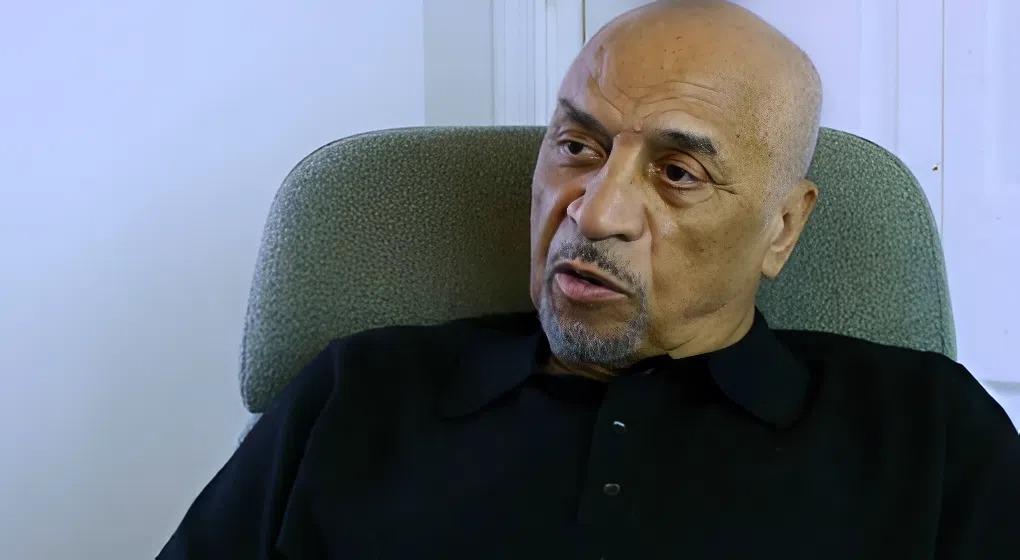
Dr. Claude Anderson’s impact on the Black community cannot be overstated.
He dared to say what many were afraid to confront: that moral victories without economic power are fragile, temporary, and easily reversed. While others focused solely on representation, symbolism, or access, Dr. Anderson insisted that ownership, group economics, and strategic thinking are the true engines of lasting freedom. His voice cut through decades of feel-good rhetoric and forced a hard but necessary reckoning with how power actually functions in America.
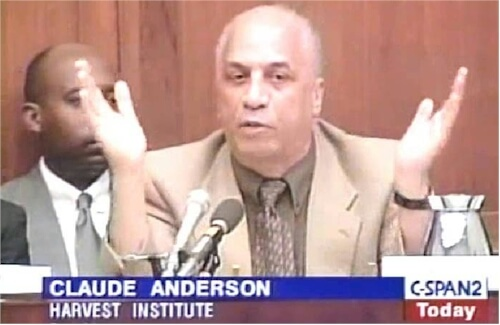
Through Powernomics, Dr. Anderson gave Black Americans a language for understanding why progress often feels circular. He explained that racism is not sustained by hatred alone, but by economic incentives, institutional self-interest, and group behavior. Other communities, he argued, prioritize collective survival over individual comfort, pooling resources, protecting their own markets, and leveraging political power as a byproduct of economic strength. Black America, by contrast, was systematically trained to consume without owning, to protest without negotiating, and to celebrate visibility while remaining economically dependent.
Compete or be left behind. Buy Dr. Claude Anderson’s Powernomics today
One of the most transformative lessons from Powernomics is the insistence that economics precedes politics. Dr. Anderson made it clear that voting power without economic leverage is easily ignored. Jobs without ownership keep people trapped. Integration without strategy dissolves collective strength. He challenged Black Americans to stop confusing access with power and to stop mistaking inclusion for control. His message was uncomfortable because it demanded responsibility, discipline, and long-term thinking rather than emotional reaction.
moral victories without economic power are fragile, temporary, and easily reversed.
Dr. Anderson also reframed the conversation around education. He did not dismiss degrees, but he warned that education disconnected from ownership only produces skilled labor for someone else’s system. He urged Black professionals, entrepreneurs, and intellectuals to reinvest in their own communities, not just physically but strategically, by building institutions, banks, supply chains, and political blocs that could not be ignored or discarded when convenient.
Perhaps most importantly, Dr. Claude Anderson restored dignity to economic self-interest. He rejected the idea that collective economic planning was selfish or regressive, pointing out that every successful group in America practices it unapologetically. Powernomics teaches that loving the Black community means protecting it economically, circulating dollars intentionally, and refusing to subsidize systems that exploit Black labor while giving nothing in return.
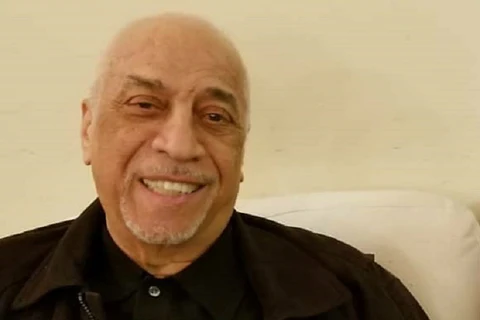
In a time when conversations about Black progress are often diluted into slogans, Dr. Anderson’s work remains sharp, demanding, and necessary. He did not offer comfort; he offered clarity. His legacy is not just a book, but a framework—one that insists Black America can no longer afford to be emotionally driven in a world governed by power, money, and strategy. If his lessons are taken seriously, Powernomics is not just a critique of where we’ve been, but a blueprint for where we still can go.
—Michael Lyles, B1Daily




 B1Daily
Leave a comment