—Barrington Williams, Sylvester Loving, B1Daily
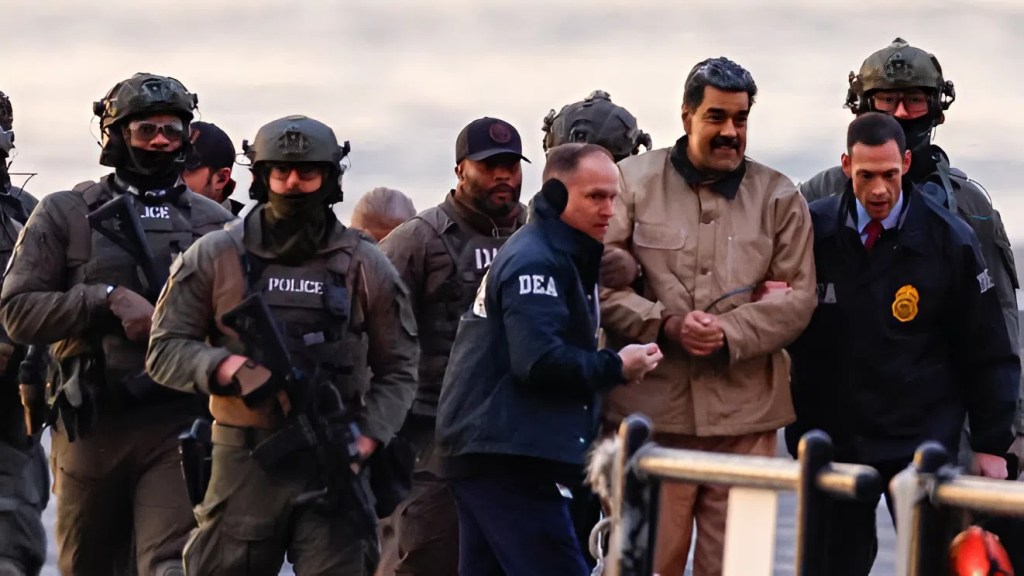
The reported seizure and removal of Venezuelan President Nicolás Maduro by U.S. forces has drawn widespread condemnation because it directly conflicts with fundamental principles of international law. Even when framed as a criminal or security operation, forcibly detaining a sitting head of state on foreign soil without consent crosses established legal boundaries.
International law, as codified in the United Nations Charter, strictly prohibits the use of force against another country’s territorial integrity or political independence unless authorized by the UN Security Council or justified by immediate self-defense against an armed attack. Conducting a unilateral operation inside Venezuela without its consent constitutes a breach of sovereignty and undermines the core prohibition on aggressive state action.
Longstanding legal norms also recognize that sitting heads of state enjoy personal immunity from arrest or detention by foreign governments. This immunity exists not to shield individuals from accountability forever, but to prevent foreign powers from destabilizing governments through coercion or force. Detaining President Maduro while he remains in office disregards this principle and weakens protections meant to preserve diplomatic order.
Additionally, international law requires formal extradition processes when a state seeks to prosecute a foreign leader or official. These processes rely on treaties, judicial review, and mutual consent between states. Bypassing extradition entirely and resorting to forcible transfer amounts to extrajudicial rendition, a practice broadly regarded as unlawful under international norms.
Beyond the immediate legal violations, the action sets a dangerous precedent in global politics. If powerful states normalize abducting foreign leaders they deem illegitimate or criminal, international law risks becoming subordinate to military power. This erosion of norms invites retaliation, encourages similar actions by other major powers, and increases the likelihood of global instability.
Ultimately, international law depends on restraint and reciprocity. When a nation disregards sovereignty, immunity, and lawful process, it weakens the very system designed to prevent chaos and conflict. The kidnapping of a sitting head of state signals a shift away from rules-based order toward a world where force determines legitimacy — a precedent with far-reaching and destabilizing consequences.
—Barrington Williams, Sylvester Loving, B1Daily



 B1Daily
Leave a comment