
The United States faces a maternal mortality crisis that disproportionately affects Black women. Even as overall maternal deaths have fluctuated, Black women in the U.S. continue to die at rates significantly higher than their white counterparts; more than three times as high according to recent CDC-linked statistics. This epidemic of loss reflects deep and systemic failures in the nation’s healthcare system, prompting some; particularly Black midwives and birthworkers to step outside traditional medical structures in pursuit of safer, more equitable care. https://mcpress.mayoclinic.org/pregnancy/black-maternal-mortality-rate/
A Severe and Persistent Disparity
Maternal mortality in the U.S. remains among the highest of developed nations. While overall rates have seen slight declines in recent years, racial gaps stubbornly persist. New data indicates Black women’s maternal mortality rate has hovered around 50 per 100,000 live births, far higher than for white women, whose rate is near 14.5 per 100,000. congress.gov/119/crec/2025/03/14/171/49/modified/CREC-2025-03-14-pt1-PgS1781-2.htm
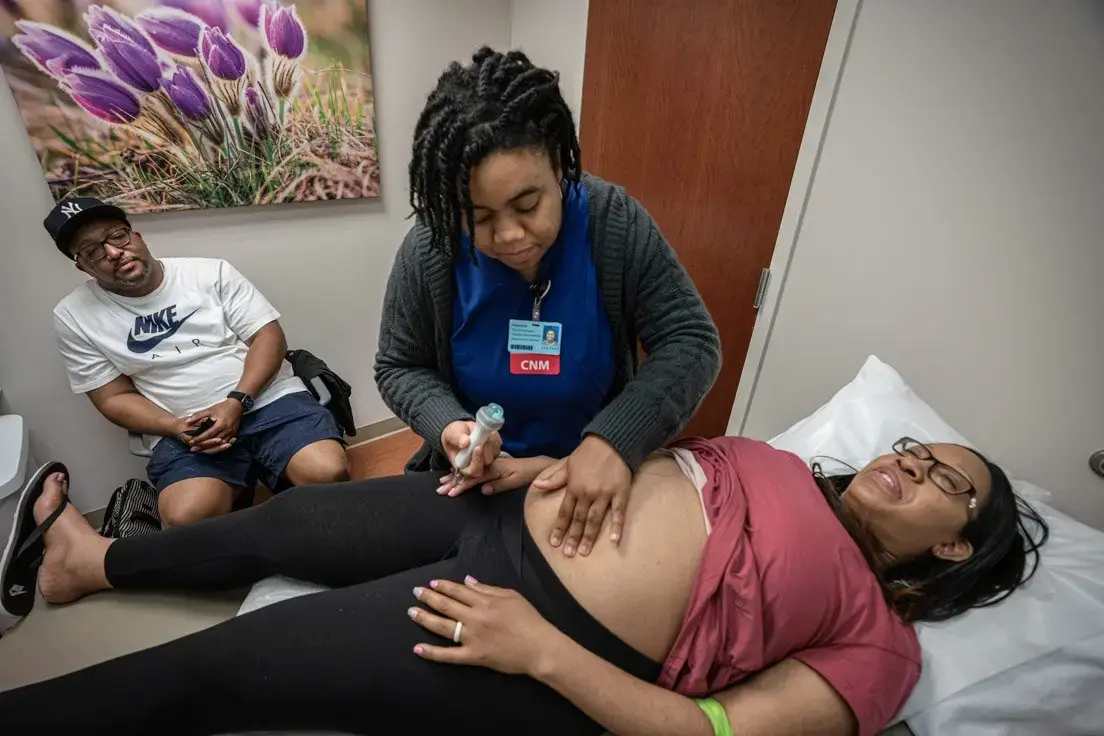
Across states and socioeconomic boundaries, these disparities endure even when accounting for income and education; suggesting that racism and bias within the health care system, not just socioeconomic status, play a powerful role. Structural racism and implicit bias manifest in delayed diagnoses, treatment dismissal, and substandard care during pregnancy and childbirth.
National reporting and advocacy groups have repeatedly emphasized that Black women are more likely than others to have their pain dismissed or to feel unheard in clinical settings, contributing to preventable deaths and complications. Black Maternal Health: A Reproductive Justice Issue | IOOV Action Fund
Historical Roots of a Modern Crisis
The story of Black midwives in America helps explain why they are now seen as vital alternatives to mainstream maternity care:
- In the early 20th century, Black midwives; often called “granny midwives” — played a central role in childbirth within Black communities, offering holistic care rooted in community knowledge. https://www.publicsq.org/latest-articles/where-have-all-the-midwives-gone-the-campaign-against-black-midwives-in-the-us-and-its-impact-on-black-maternal-outcomes
- As institutional medicine grew, midwifery — especially traditional Black midwifery — was marginalized through certification requirements and exclusionary practices that systematically reduced their presence in formal healthcare. https://time.com/6727306/black-midwife-shortage-history/
- By the mid-20th century, midwives attended a small fraction of U.S. births, even though they had historically contributed to strong community outcomes.
This erasure of community-based care coincided with a rising reliance on hospital births and obstetric models that did not center the specific needs and cultural contexts of Black American Women. The result was a widened gap in outcomes; a gap that persists today.
Why Some Black American Midwives Are “Going Rogue”
“Going rogue” in this context refers not to criminal behavior, but to practicing outside the conventional hospital-centric model; offering essential care that is community-based, culturally congruent, and often not fully integrated into mainstream healthcare systems. Several factors explain this shift:
1. Distrust in Mainstream Healthcare
Because of repeated experiences of bias and mistreatment; including dismissals of pain, miscommunication, and discrimination; many Black women mistrust conventional care settings. These experiences aren’t isolated anecdotes; systemic discrimination has been documented as a contributor to poorer outcomes. Black Maternal Health: A Reproductive Justice Issue | IOOV Action Fund
This distrust drives women to seek out providers who prioritize listening, respect, and continuity of care; hallmarks of midwife-led models.
2. Demand for Culturally Competent, Holistic Care
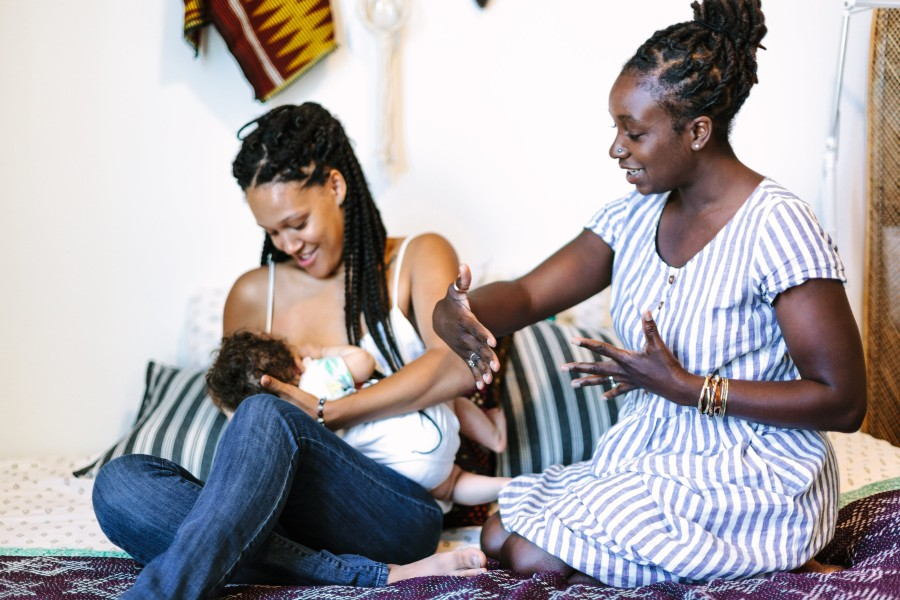
Midwifery emphasizes continuity of care; prenatal, labor, birth, and postpartum support — that is personalized and holistic. Research and community reports suggest culturally relevant care can improve outcomes by building trust and ensuring concerns are taken seriously. https://ucghi.universityofcalifornia.edu/news/how-midwifery-essential-black-maternal-healthcare/

Some Black midwives and birthworkers are establishing home-birth services, community clinics, and alternative care networks precisely because they want to preserve autonomy, respect, and a woman’s voice in decisions about her body.
3. Advocacy and Birth Justice Movements
Many Black midwives see their work as part of birth justice; a framework that connects reproductive health inequities to broader social injustices. These providers are not only offering care but are advocating for systemic change by highlighting how current medical systems fail Black mothers and by promoting policies that increase access to midwifery, doula support, and culturally congruent care.
Examples of advocacy include support for policies like the Black Maternal Health Momnibus Act, which aims to expand access to maternal care and diversify the maternal health workforce. https://www.directrelief.org/2023/05/to-decrease-black-maternal-mortality-midwives-and-money-could-make-the-difference/
Midwifery’s Proven Impact and Continuing Challenges
Evidence suggests that midwife-led care can improve outcomes. Countries with stronger midwifery systems generally have lower maternal mortality rates, and models that prioritize midwife care have been linked to fewer interventions and improved birth experiences. https://midwife.org/wp-content/uploads/2025/12/2025-ps_racism_racial_bias_midwifery.pdf
Yet, barriers remain:
- Workforce shortages: Black midwives are underrepresented in the profession. Even though Black people comprise a significant portion of the population, they make up a small fraction of certified midwives nationwide. A Look at the Past, Present, and Future of Black Midwifery in the United States | Urban Institute
- Regulatory challenges: Scope-of-practice laws can restrict midwives’ ability to practice independently, and traditional credentialing systems often favor hospital-based training over community-based expertise.
- Funding gaps: Limited Medicaid reimbursement and underinvestment in community-based maternal health services make it more difficult for midwives — especially those serving marginalized communities — to sustain their practices. The Woman’s Hospital of Texas in Houston adds midwifery program
The Toll of Inequity
Individual tragedies underscore the urgency of reform. Recent news — like the death of 31-year-old Black midwife and maternal health advocate Dr. Janell Green Smith during childbirth — highlights that even those deeply embedded in the birth community are not immune to the risks created by systemic inequities. Her passing drew national attention and renewed calls for equity in maternal care. https://people.com/midwife-and-maternal-health-advocate-dies-from-childbirth-complications-11879419
Towards Equity and Empowerment
The Black maternal mortality crisis is not an accident; it is the result of entrenched inequities, systemic racism, and a healthcare system that has long failed to center the needs of Black American Women. Black American midwives, birthworkers, and advocates; by offering culturally responsive care and creating spaces outside traditional institutional models are providing both practical support and powerful critiques of the status quo.
Their work illustrates that solutions must be rooted in community, cultural competence, and equity, not just clinical interventions. Expanding access to midwifery, integrating community-based models into mainstream health systems, and addressing the structural drivers of inequity are essential steps toward ending a crisis that has too long taken Black women’s lives.
—Windward Quietist is a private researcher of media, religion and social media trends and a contributor to B1Daily News



 B1Daily
Leave a comment