—Barrington Williams, B1Daily
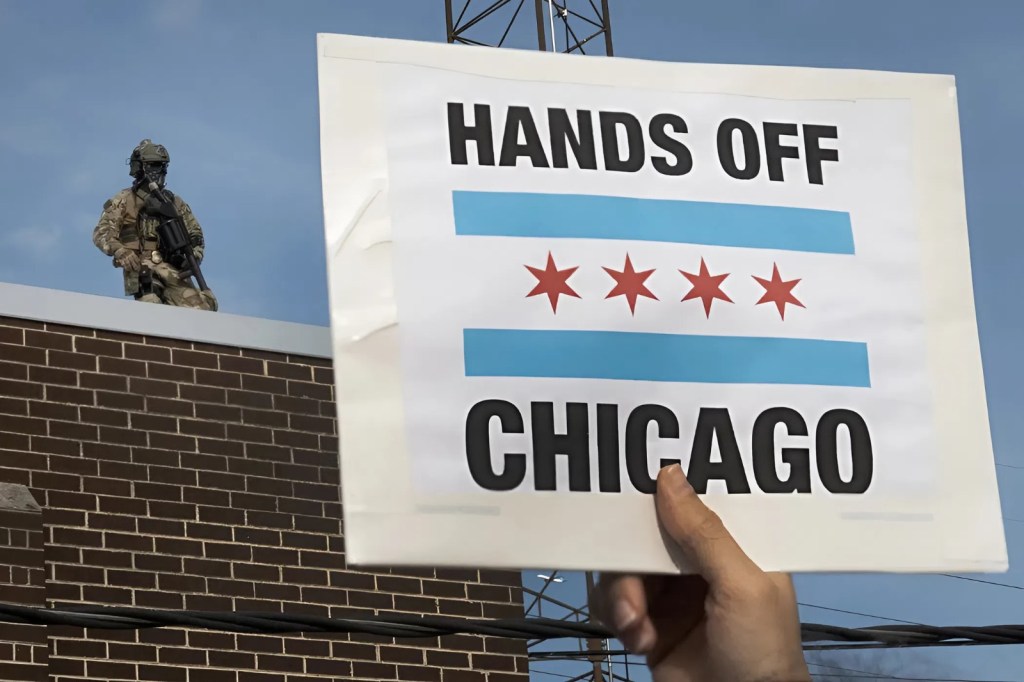
The U.S. Supreme Court has ruled against Donald Trump’s attempt to deploy the National Guard in Chicago, allowing a lower-court injunction to stand and effectively blocking the federalization of Illinois Guard troops. The decision represents a notable limitation on presidential authority to use military forces for domestic law enforcement without clear statutory justification.
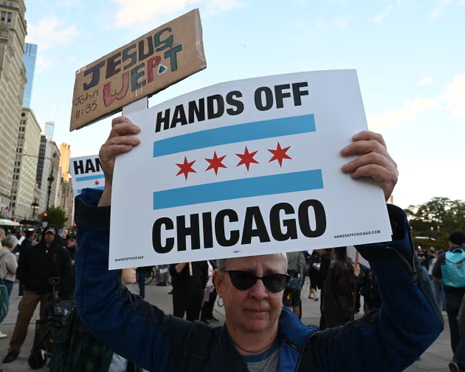
Trump’s administration argued that federalizing the National Guard was necessary to protect federal personnel and respond to unrest tied to immigration enforcement and protests in the city. However, the Court agreed with lower courts that the administration failed to meet the legal requirements under federal law. Specifically, the statute invoked applies only in extreme circumstances where state authorities are unable or unwilling to enforce federal law—conditions the courts determined did not exist in Chicago.
Judges emphasized that the president does not have unlimited power to deploy the National Guard for civil policing and that such actions require either a genuine insurrection or explicit authorization from Congress. Illinois officials successfully argued that the deployment would violate state sovereignty and blur the constitutional line between civilian law enforcement and military force.
By upholding the injunction, the Supreme Court reinforced long-standing legal protections designed to prevent the militarization of domestic governance and reaffirmed that presidential power has firm limits, even during periods of political unrest.
—Barrington Williams, B1Daily


 B1Daily
Leave a comment