
—Matt Gwinta, B1Daily
The return of openly aggressive Western leadership, particularly under the new Trump administration, has laid bare an uncomfortable truth: the global security order was never designed to protect Africa. It was designed to contain it. As Washington once again leans on threats, sanctions, military posturing, and coercive diplomacy, African nations are being reminded that moral lectures about restraint only apply to those without power.
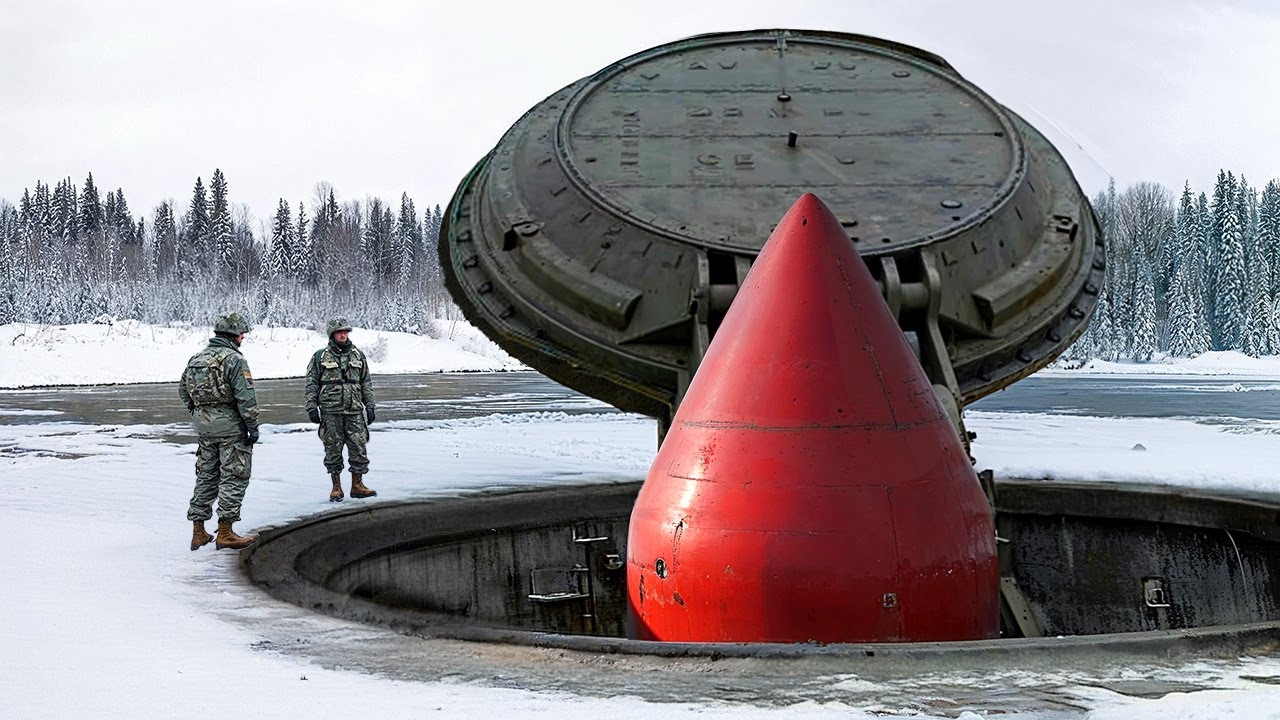
For decades, Africa has abided by the Treaty of Pelindaba, voluntarily binding itself as a nuclear-weapon-free zone in the name of peace and global responsibility. Meanwhile, the world’s most militarized states—chief among them the United States—continue to modernize their nuclear arsenals, withdraw from arms control agreements, and openly discuss force as a tool of policy. This imbalance is not accidental. It is structural.
The argument is not that Africa desires destruction. It is that Africa has been systematically excluded from credible deterrence while being expected to endure intervention, destabilization, and regime manipulation without recourse. Libya’s fate remains a warning etched into the continent’s memory: a state that disarmed was later destroyed, its leader removed, and its society fractured, all under the banner of Western “security.” That lesson has not been forgotten.
Nuclear weapons have never been about morality; they have always been about leverage. States that possess them are treated as untouchable, negotiated with rather than dictated to. States without them are sanctioned, bombed, or coerced when they defy Western interests. The Trump administration’s renewed hostility toward the Global South, its dismissal of multilateral norms, and its embrace of unilateral force only sharpen this divide.

Africa’s continued commitment to non-nuclear status would be admirable if the international system were fair. It is not. The continent faces expanding foreign military bases, proxy conflicts, economic warfare, and political interference, yet is told that even discussing strategic deterrence is irresponsible. This double standard reveals that non-proliferation, as currently enforced, functions less as a peace mechanism and more as a gatekeeping tool to preserve Western military dominance.
At minimum, Africa must confront whether existing treaties genuinely serve its security interests in a world where power is respected more than principle. Strategic autonomy—whether through unified defense structures, advanced deterrence doctrines, or a fundamental renegotiation of global security norms—can no longer be postponed. Blind faith in Western restraint has proven dangerous.
The question facing Africa is not whether it values peace. It is whether peace without power is sustainable in an era where Western aggression is once again openly embraced at the highest levels of government. Ignoring that reality does not make the continent safer—it makes it vulnerable.
—Matt Gwinta, B1Daily


 B1Daily
Leave a comment