—Sylvester Loving, B1Daily
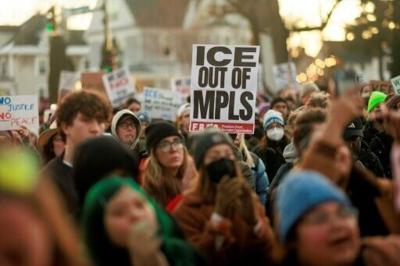
Thousands of demonstrators flooded the streets of Minneapolis this week following the killing of a woman by an ICE agent, turning the city into a focal point of national outrage over federal immigration enforcement and the use of deadly force. What began as a spontaneous gathering near the site of the shooting quickly grew into one of the largest protests the city has seen in recent years.
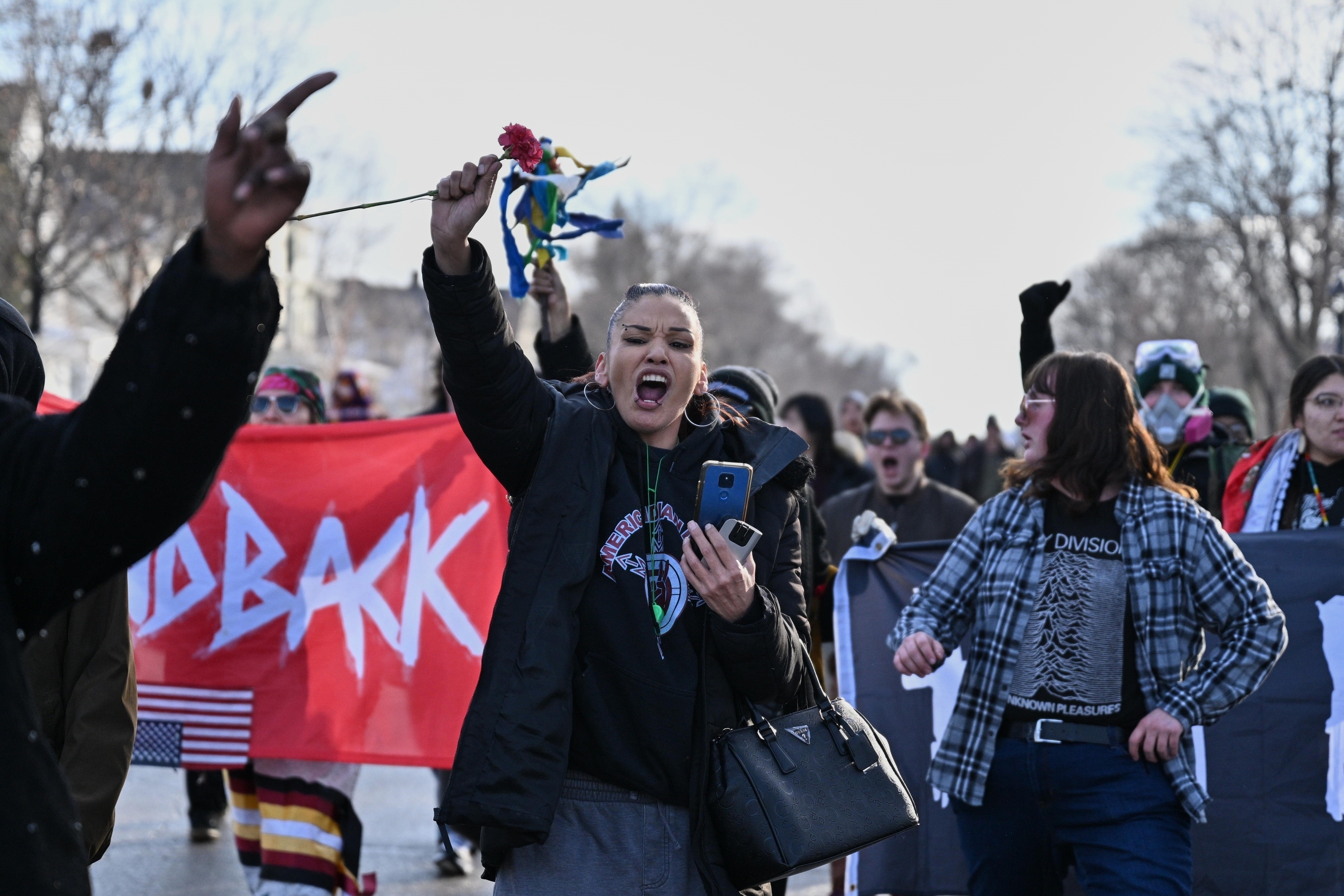
Organizers estimated that several thousand people participated over multiple days, with crowds swelling outside federal buildings, downtown intersections, and along major corridors in south Minneapolis. Protesters chanted demands for accountability, the removal of ICE from Minnesota, and an independent investigation into the shooting. While much of the demonstration remained peaceful, tensions escalated at several points as federal agents used crowd-control tactics to push demonstrators away from secured facilities, further inflaming anger among attendees.
A number of prominent local and national figures publicly addressed the protests, helping to amplify the moment beyond Minneapolis. Mayor Jacob Frey criticized the federal response and questioned the necessity of deadly force, calling the incident reckless and destabilizing for the city. Minnesota Governor Tim Walz echoed those concerns, warning that unchecked federal action risked deepening public mistrust and could provoke wider unrest.
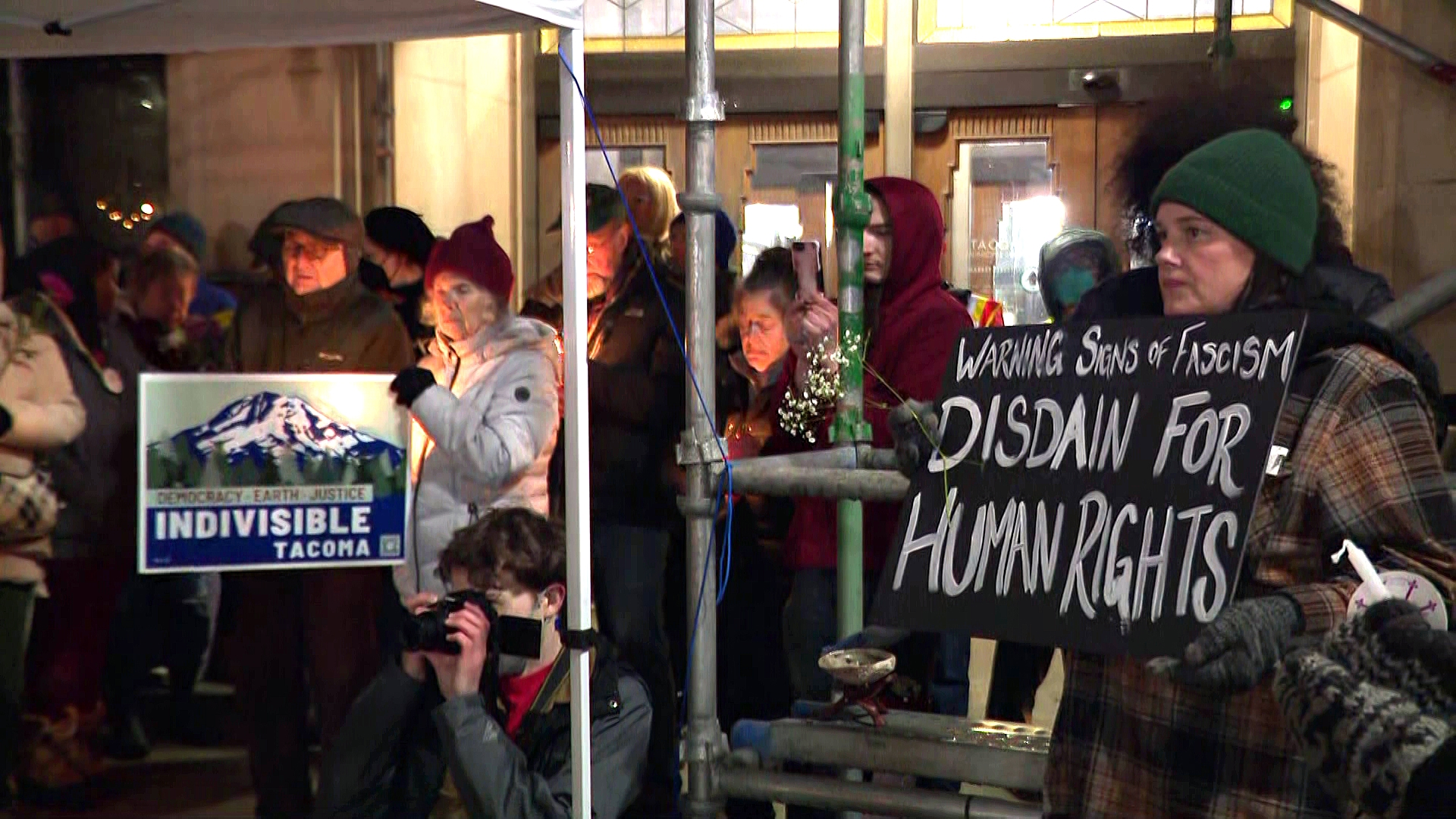

Representative Ilhan Omar emerged as one of the most vocal national figures responding to the killing, condemning ICE’s presence in her district and expressing solidarity with protesters. Civil rights organizers, immigration advocates, and community leaders also addressed crowds at rallies, framing the shooting as part of a broader pattern of aggressive federal enforcement that disproportionately impacts marginalized communities.
On the other side, the Trump administration moved quickly to defend the ICE agent involved, with senior officials repeating claims that the shooting was justified. Vice President J.D. Vance publicly backed the agent’s actions, portraying the protests as an attack on law enforcement rather than a demand for accountability. President Trump himself reinforced that narrative, signaling that his administration would not reconsider its immigration enforcement strategy despite the public backlash.

The fallout has intensified tensions between federal authorities and Minnesota officials. State leaders criticized the decision to limit local access to evidence and raised concerns about transparency as the federal government assumed control of the investigation. These moves have fueled accusations that the administration is shielding ICE from scrutiny rather than allowing an open accounting of what occurred.
Politically, the protests present a growing challenge for the Trump administration. Democrats have seized on the incident as a symbol of what they describe as unchecked federal power and a hardline immigration agenda that puts civilians at risk. Activists argue the administration’s response is galvanizing opposition and could energize voter turnout, particularly among younger and immigrant communities.
As demonstrations continue and solidarity protests spread beyond Minneapolis, the killing and the administration’s reaction to it are shaping into a defining flashpoint in the national debate over immigration enforcement, civil liberties, and federal authority. The scale of the protests suggests the issue is unlikely to fade quickly, keeping sustained pressure on the White House in the weeks ahead.
—Sylvester Loving, B1Daily

 B1Daily
Leave a comment