
—Travis Luyindama, B1Daily
For years, Apple and Samsung defined what a “flagship” smartphone was supposed to be. Premium pricing, incremental upgrades, and an assumption that consumers would accept trade-offs in exchange for brand loyalty. The Xiaomi 17T disrupts that formula by taking a more aggressive, engineering-first approach—and in doing so, it exposes how conservative Apple and Samsung have become.
At the hardware level, the Xiaomi 17T is built around a performance philosophy that prioritizes sustained power rather than controlled throttling. Its flagship-grade Snapdragon processor, paired with high-bandwidth LPDDR5X memory and ultra-fast UFS storage, delivers a kind of responsiveness that’s immediately noticeable in real-world use. Multitasking, high-frame-rate gaming, and AI-assisted workloads run with fewer slowdowns compared to iPhones, which still emphasize single-core efficiency, and Samsung phones, which often dial back peak performance to manage thermals.
Battery design is where Xiaomi’s advantage becomes impossible to ignore. While Apple and Samsung continue to ship premium phones with batteries that feel tuned for “just enough” daily use, the Xiaomi 17T embraces capacity and charging speed as first-class features. A significantly larger battery paired with ultra-fast wired and wireless charging changes how the phone fits into daily life. Instead of managing battery anxiety, users can top up in minutes and confidently push the device harder throughout the day. Apple’s slow charging and Samsung’s cautious thermal limits feel outdated by comparison.

Display technology is another area where Xiaomi is no longer playing catch-up. The 17T’s high-refresh-rate OLED panel delivers extreme brightness, strong HDR performance, and smoother motion than many competing flagships. While Samsung still leads in panel manufacturing, Xiaomi’s tuning prioritizes real-world usability—outdoor visibility, sustained brightness, and gaming smoothness—over laboratory color perfection. Apple’s displays remain excellent, but their conservative refresh and brightness strategies increasingly feel restrained.
Camera performance on the Xiaomi 17T reflects a similar philosophy: hardware abundance paired with aggressive computational tuning. By equipping high-resolution sensors across multiple focal lengths, Xiaomi gives users more creative flexibility than many iPhone and Galaxy models that rely heavily on software to compensate for limited optics. The results are sharp, detailed stills and versatile shooting modes that appeal to enthusiasts who want control rather than automatic correction. Apple still dominates video consistency, and Samsung excels in low-light smoothing, but Xiaomi’s camera system feels less constrained and more experimental.
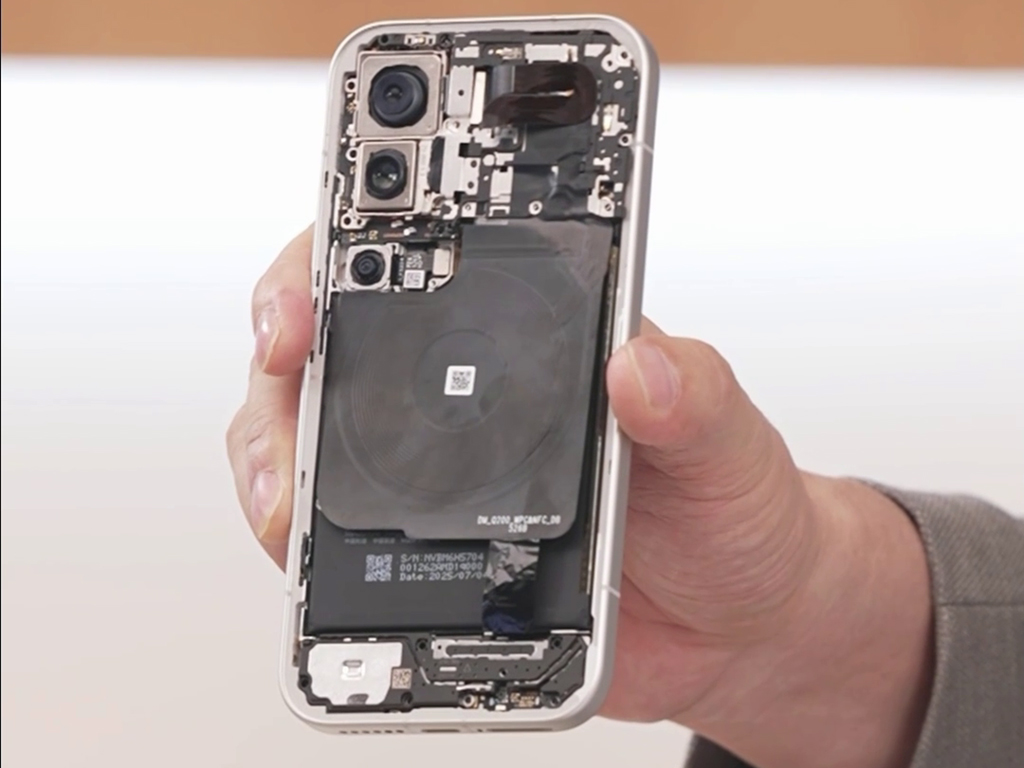
Perhaps the most disruptive aspect of the Xiaomi 17T is pricing. It delivers features and specifications that would command significantly higher prices from Apple or Samsung, yet it enters the market at a far more aggressive price point. This undercuts the long-standing assumption that premium performance must come with a four-figure price tag. Xiaomi’s strategy forces uncomfortable comparisons: when two phones perform similarly, but one charges hundreds more, brand loyalty becomes harder to justify.
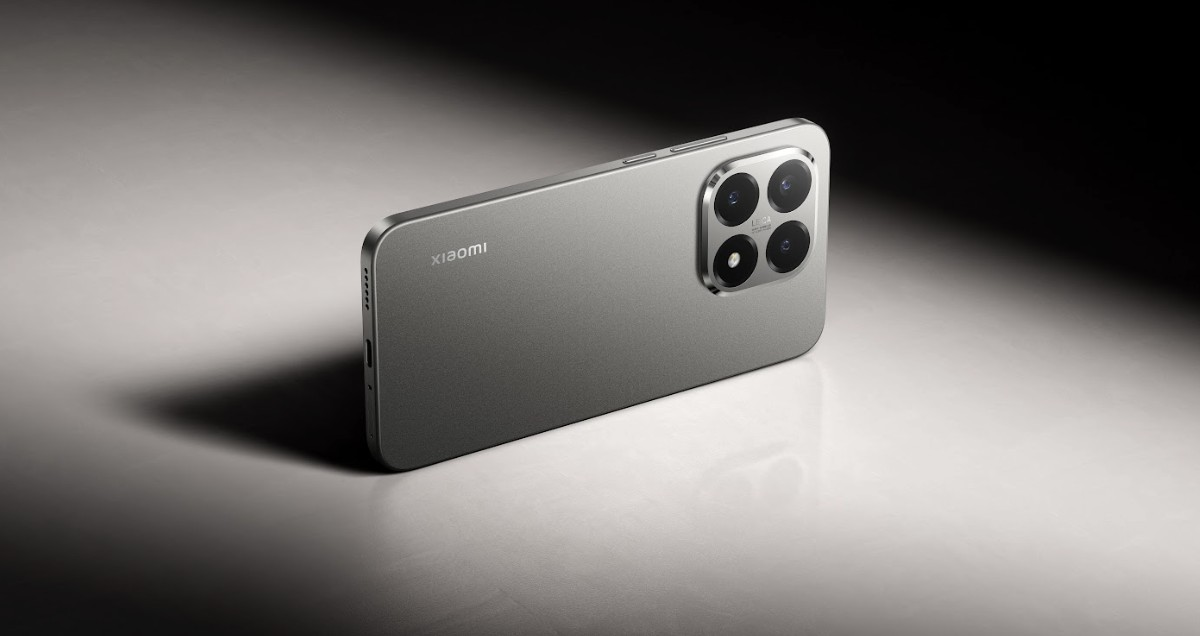
Software remains the one area where Apple and Samsung retain a clear edge. Xiaomi’s HyperOS is powerful, customizable, and fast, but it can feel less polished and less cohesive than iOS or Samsung’s One UI. For some users, that refinement matters. For others, it’s a reasonable trade-off for superior hardware, faster charging, and better value.
The Xiaomi 17T doesn’t beat iPhone and Samsung by mimicking them. It beats them by rejecting their caution. In a market where Apple and Samsung increasingly sell restraint as premium design, Xiaomi is betting that users still want power, speed, and tangible upgrades. Judging by the growing attention the 17T is receiving, that bet may be paying off.
—Travis Luyindama, B1Daily




 B1Daily
Leave a comment