—Barrington Williams, B1Daily
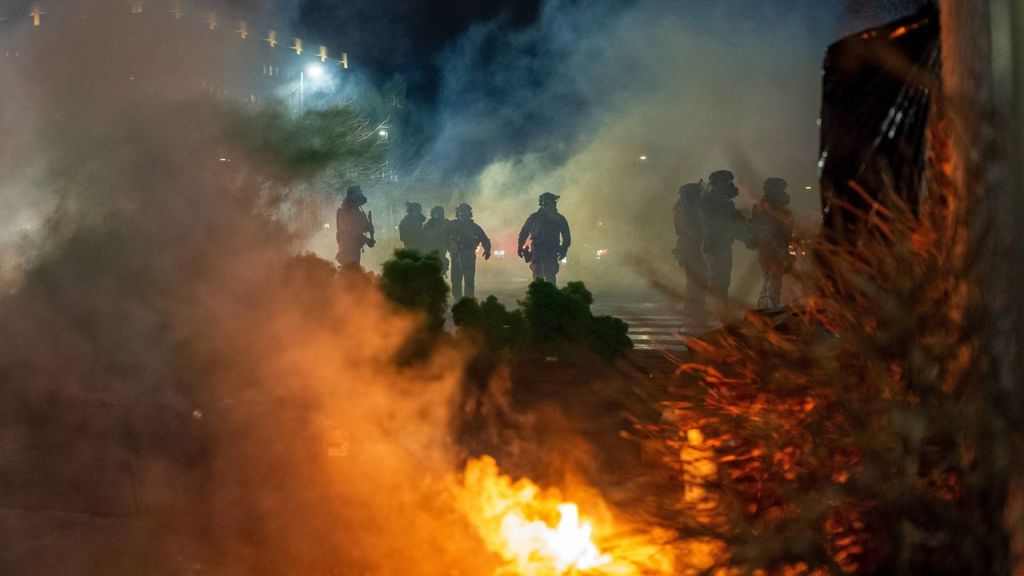
In response to ongoing protests in Minneapolis, Minnesota, President Donald Trump publicly threatened to invoke the Insurrection Act, a rarely used federal law that would permit the deployment of active-duty military forces on U.S. soil, to suppress demonstrations linked to his administration’s aggressive immigration enforcement operations.
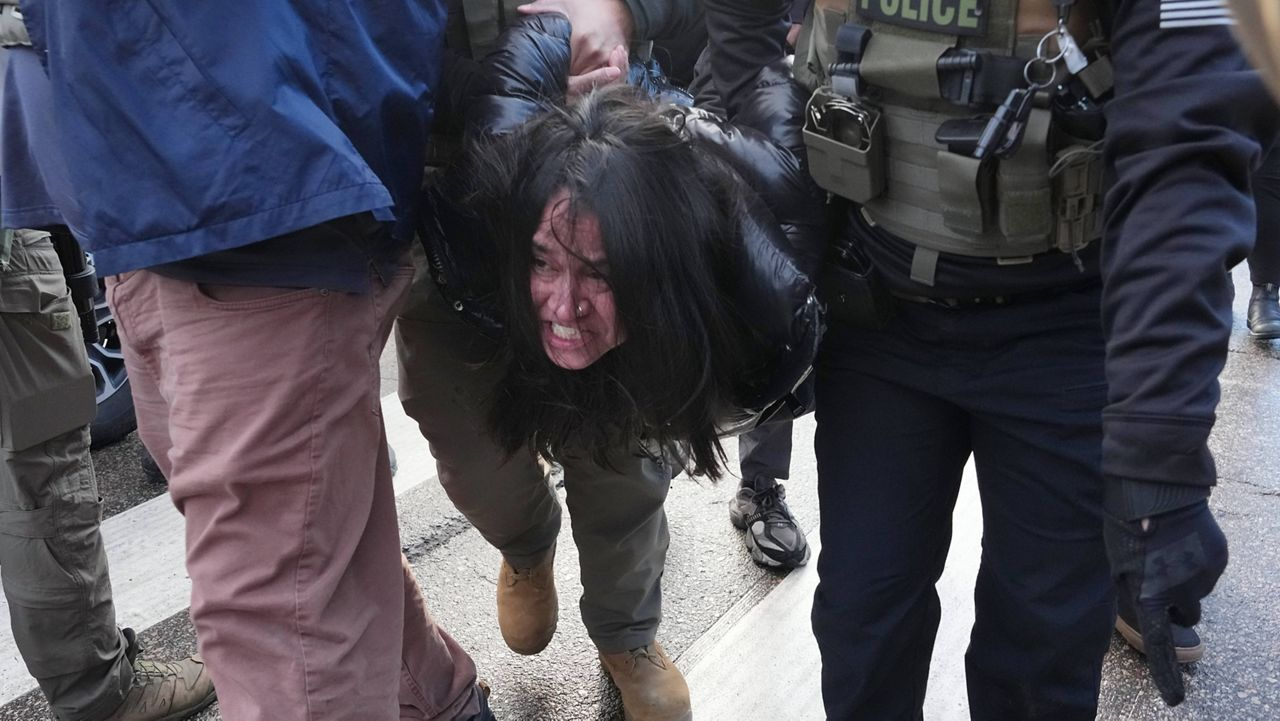
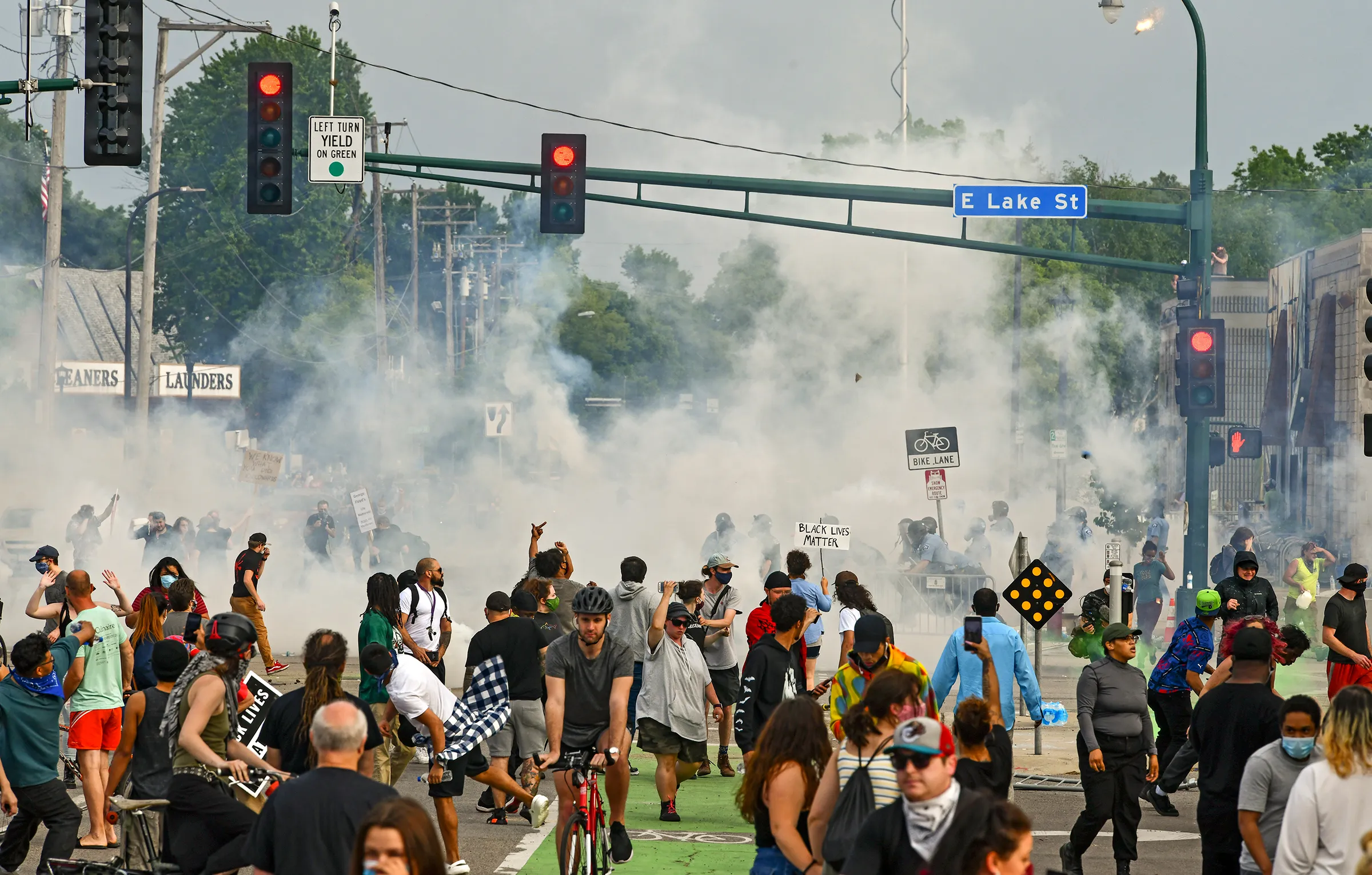
Trump’s warning came amid days of unrest following two separate shootings involving Immigration and Customs Enforcement (ICE) officers, including the January 7 fatal shooting of Renee Nicole Good, a Minneapolis resident, during a federal immigration action. The fatal encounter sparked widespread protest and outrage across the city, drawing thousands into the streets to demonstrate against what many view as heavy-handed federal tactics.
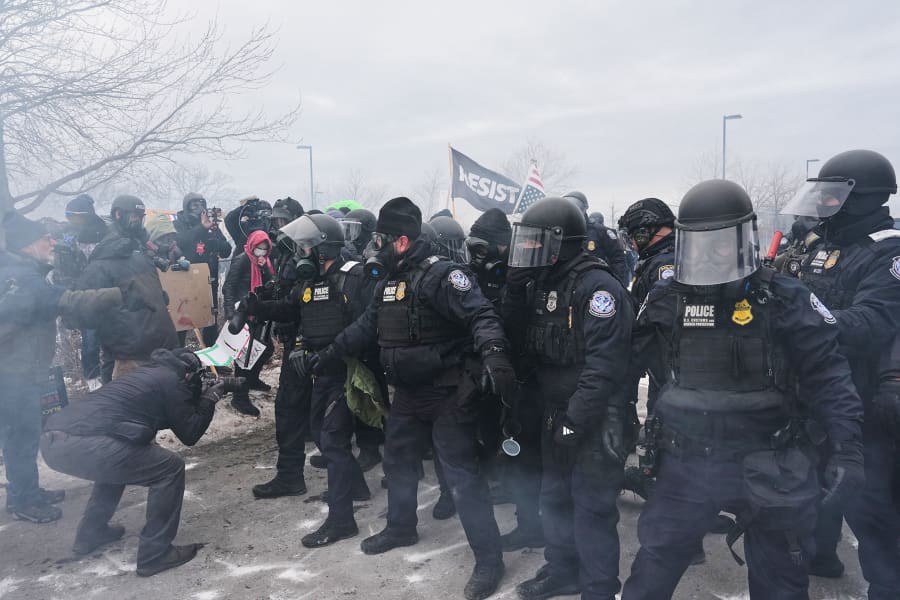
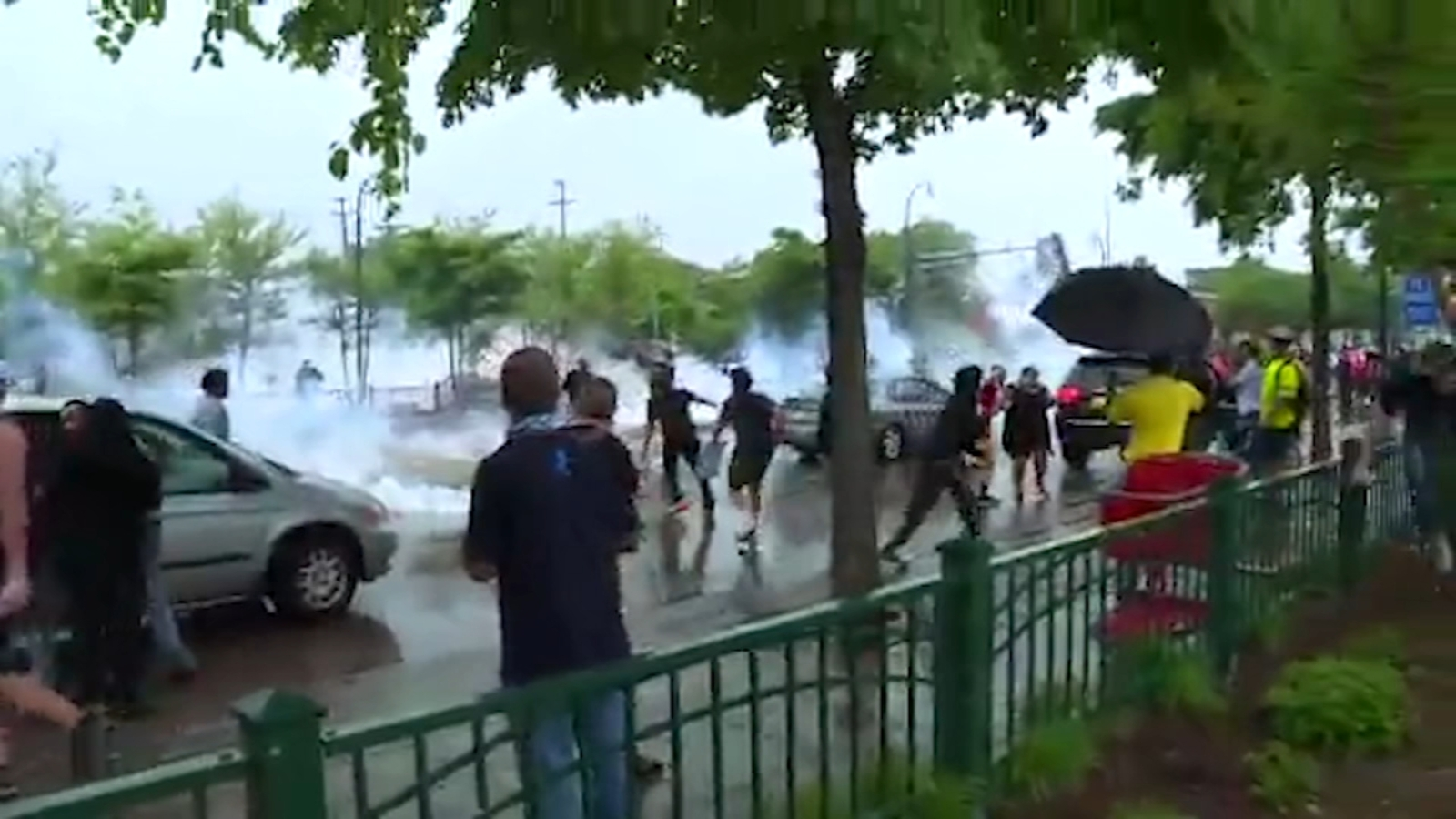
In a social media post, Trump framed the demonstrations as violent and insurrectionary, saying that if state and local officials in Minnesota did not “obey the law” and stop what he described as “professional agitators” attacking federal agents, he would institute the Insurrection Act “to quickly put an end to the travesty that is taking place.”
Minnesota has seen a significant surge in federal personnel as part of Operation Metro Surge, a broader enforcement strategy. Local officials and civil liberties advocates estimate that roughly 2,000–3,000 federal agents, including personnel from ICE and Customs and Border Protection, have been operating in Minneapolis and the surrounding metro area, far outnumbering the city’s roughly 600 local police officers. This federal presence has included aggressive enforcement tactics, raids in residential neighborhoods, and mass arrests that have surpassed 2,000 detentions since late 2025. The state government, cities, and civil rights groups have filed a lawsuit against the Department of Homeland Security, alleging constitutional violations and unlawful conduct amid the crackdown.
President Trump has been the most visible figure threatening to use the Insurrection Act, leveraging his platform and social media to pressure state leaders. Homeland Security Secretary Kristi Noem has publicly supported a hardline approach and discussed the law’s potential use alongside Trump. Senior advisors, including Deputy Attorney General Todd Blanche, have echoed the administration’s narrative that state and local leaders are “encouraging violence” by failing to restrain protesters. While Trump later suggested there was “no reason right now” to formally invoke the law, his repeated threats signal a willingness to consider military deployment domestically to enforce federal policy, a move that has raised alarm among legal scholars, civil rights advocates, and state officials.
Minnesota’s leaders, including Governor Tim Walz and Minneapolis Mayor Jacob Frey, have pushed back forcefully, calling for de-escalation and warning that federal intervention risks undermining civil liberties and public safety. Walz has urged calm and criticized the scope of federal enforcement as an “occupation” rather than legitimate law enforcement, while Frey has encouraged protests to remain peaceful even as tensions persist. The state’s lawsuit against the federal government seeks to limit or stop further federal actions that officials contend violate constitutional rights, particularly regarding unlawful detentions and suppression of political expression.
The Insurrection Act of 1807 is a centuries-old statute that allows a president to deploy U.S. military forces domestically to suppress “insurrection” or enforce federal authority when local law enforcement is deemed unable or unwilling to maintain order. Its use today is highly controversial, as modern legal norms generally forbid active-duty military involvement in civilian law enforcement without express state consent or clear constitutional justification.
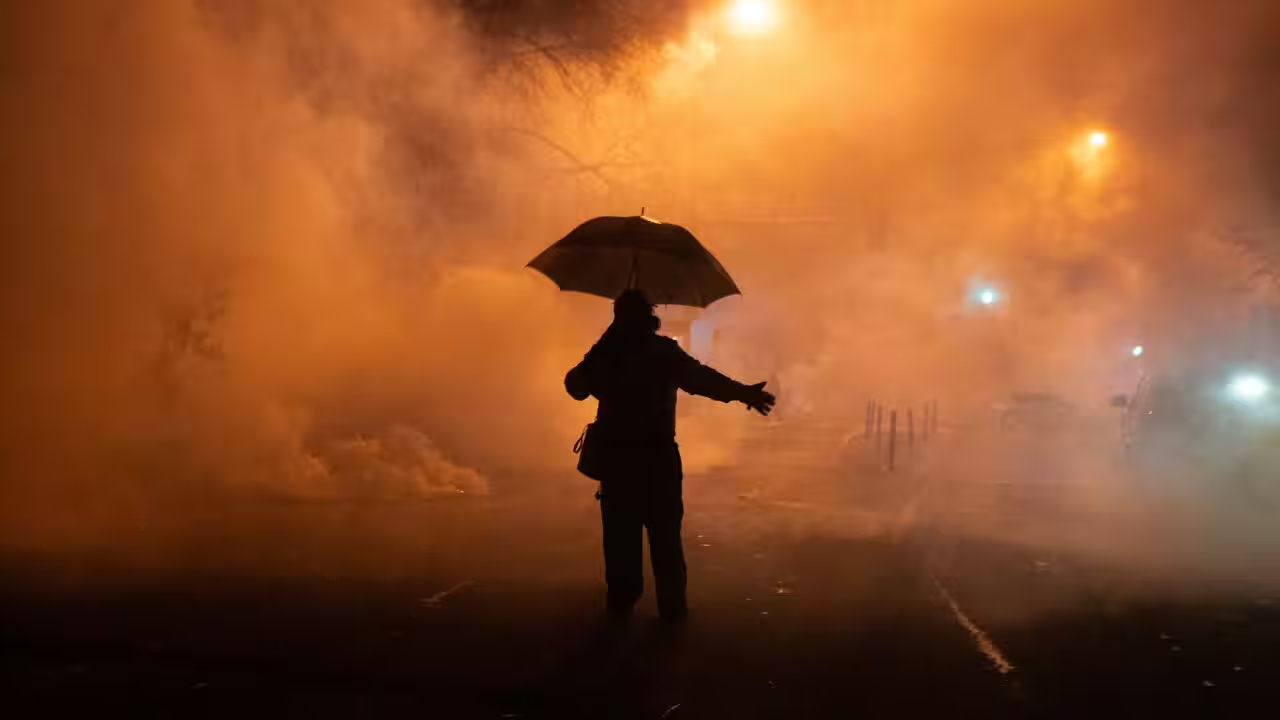
Trump’s threat to use this power against protesters and in tension with state leaders represents a significant escalation in federal-state relations. Critics argue that there is no actual insurrection occurring and that deploying military forces on American soil to police protests would set a dangerous precedent for civil liberties and democratic norms.
—Barrington Williams, B1Daily


 B1Daily
Leave a comment