—Sylvester Loving, B1Daily
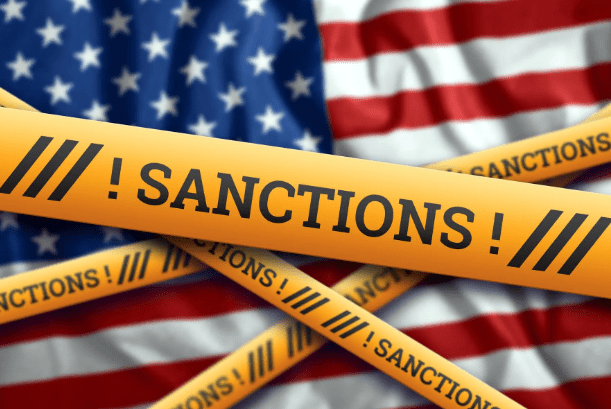
The United States’ decision to impose sanctions and punitive trade measures on Kenya, Nigeria, and South Africa over their commercial dealings with Iran reflects an uneven and heavy-handed approach to global diplomacy. Rather than engaging African nations as equal partners, Washington has chosen to wield economic pressure in a way that punishes sovereignty and undermines the economic stability of developing economies.
Kenya has already felt the strain of these measures, as exporters and agricultural producers face new barriers tied not to illegal activity, but to lawful trade relationships. For many Kenyan businesses, Iran represents a viable market at a time when global competition is fierce and margins are thin. U.S. sanctions effectively restrict these opportunities, forcing companies to absorb losses for geopolitical disputes they did not create.
Nigeria and South Africa, two of Africa’s most influential economies, face similar consequences. Sanctions and tariff threats risk limiting access to U.S. markets and jeopardizing long-standing trade arrangements that have supported manufacturing, agriculture, and employment. These policies ignore the reality that diversified trade partnerships are essential for economic resilience, particularly in countries still grappling with the legacy of colonial extraction and uneven development.
At the core of the issue is fairness. Trade between these African nations and Iran is largely non-military and commercial in nature, involving goods that pose no direct threat to U.S. security. Yet Washington’s sanctions treat these relationships as violations rather than legitimate exercises of economic independence. The result is a false choice: comply with U.S. foreign policy priorities or face economic punishment.
These measures disproportionately impact everyday citizens rather than political elites. Higher tariffs make African exports less competitive, reduce government revenue, and threaten jobs, all while doing little to meaningfully alter Iran’s global standing. Sanctions of this kind function less as a tool of diplomacy and more as an instrument of coercion.
As African nations increasingly assert their right to pursue independent foreign and trade policies, punitive responses risk eroding trust and long-term cooperation. True partnership requires dialogue and respect for sovereignty, not economic pressure that reinforces global inequality. If the United States hopes to maintain strong relationships across the African continent, it must move away from sanctions that punish growth and toward engagement that acknowledges Africa’s right to chart its own course.
—Sylvester Loving, B1Daily




 B1Daily
Leave a comment