—Travis Luyindama, B1Daily
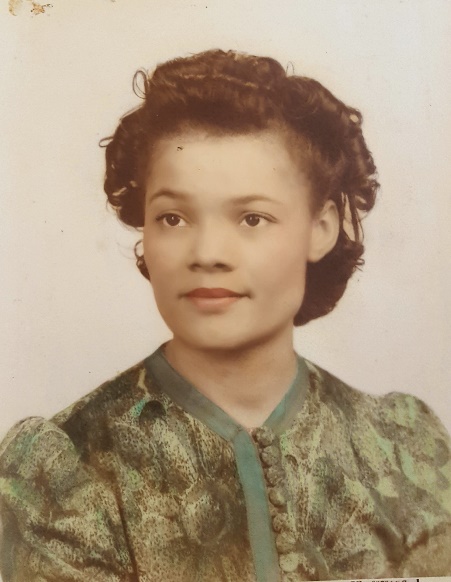
Carolyn Beatrice Parker should be a household name in American science, yet she remains largely absent from textbooks, documentaries, and public memory. That erasure isn’t accidental. It reflects a long tradition of minimizing Black brilliance while celebrating the institutions that quietly benefited from it.
Parker was a physicist at a moment when physics itself was reshaping the world. In the 1940s, as the United States raced to build the atomic bomb, she became one of the very few Black women working in advanced nuclear research. At Wright Field in Ohio, she conducted critical studies on polonium, a highly radioactive element essential to the initiators used in early atomic weapons. This was not clerical work or symbolic inclusion. It was dangerous, cutting-edge research at the core of the Manhattan Project’s success.
Working with polonium meant constant exposure to radiation risks that were poorly understood at the time and often disregarded when it came to the bodies of Black workers and women. Parker’s research helped refine how radioactive materials behaved under extreme conditions, knowledge that fed directly into atomic weapons development and later nuclear science. The United States trusted her intellect with one of the most sensitive scientific efforts in its history, even as the country denied her basic social equality.
Her academic achievements alone should have guaranteed her legacy. Carolyn Beatrice Parker was the first Black woman to earn a master’s degree in physics from the University of Michigan, and she was on track to become the first Black woman to receive a PhD in physics from the same institution. That milestone was stolen from her not by a lack of brilliance, but by leukemia, likely linked to prolonged radiation exposure from her research work. She died in 1955 at just 43 years old.
The scientific community moved on. The bomb was built. The Cold War escalated. Parker’s name faded while others were immortalized. Yet her influence didn’t disappear. Her work contributed to foundational understandings in nuclear physics, radioactive materials handling, and applied research that would shape defense science and civilian nuclear studies for decades. More quietly, her presence challenged the racist and sexist assumptions about who could be a physicist at the highest level.
Parker also mattered because of who came after her. Every Black woman who entered physics, engineering, or nuclear science did so in a world she helped crack open. Representation is often dismissed as symbolic, but Parker’s career proves it is material. She didn’t just exist in the room — she advanced the science. She earned respect in spaces built to exclude her, and she did it without the protections, recognition, or safety afforded to her white male peers.
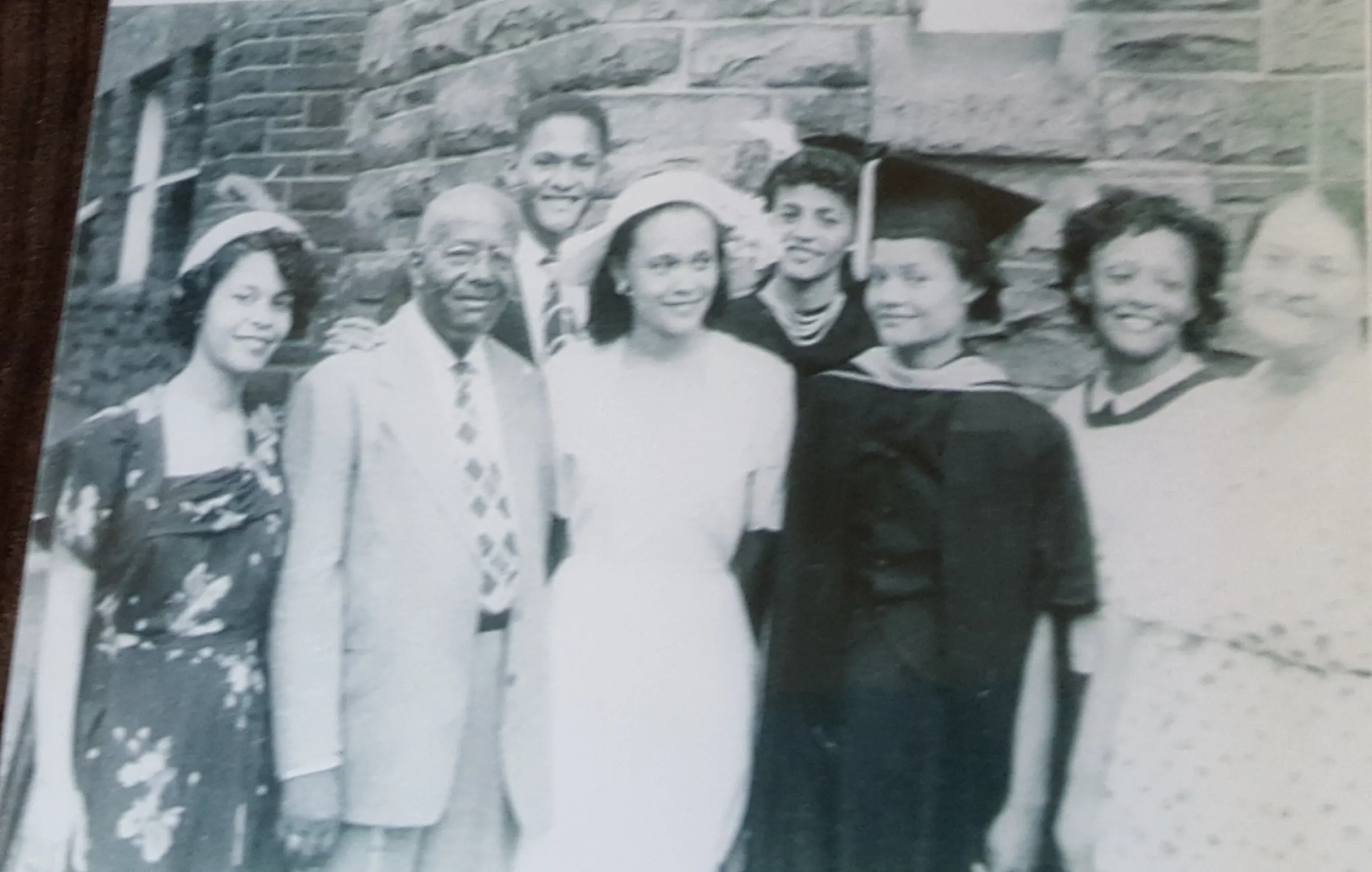
Remembering Carolyn Beatrice Parker is not about retroactive praise or feel-good diversity narratives. It is about telling the truth. The atomic age was not built by a narrow group of celebrated men alone. It was built by minds like Parker’s — brilliant, disciplined, and too often discarded once their labor was extracted.
Her legacy deserves more than footnotes. It deserves acknowledgement that the scientific community, and the world it helped create, would not look the same without her.
—Travis Luyindama, B1Daily




 B1Daily
Leave a comment