—Vanessa Edwards, B1Daily
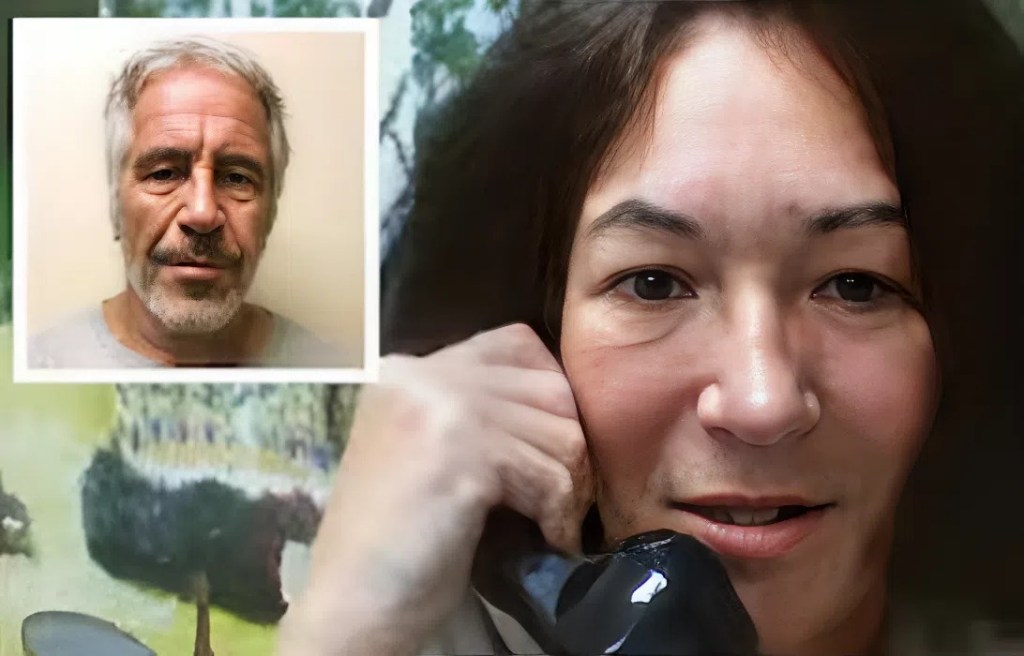
Ghislaine Maxwell is in federal prison for 20 years, branded the sole human face of Jeffrey Epstein’s industrial-scale sex trafficking operation. But she is now making something unmistakably clear: she refuses to be the only person punished for crimes that were enabled, patronized, and allegedly participated in by powerful men who remain free.
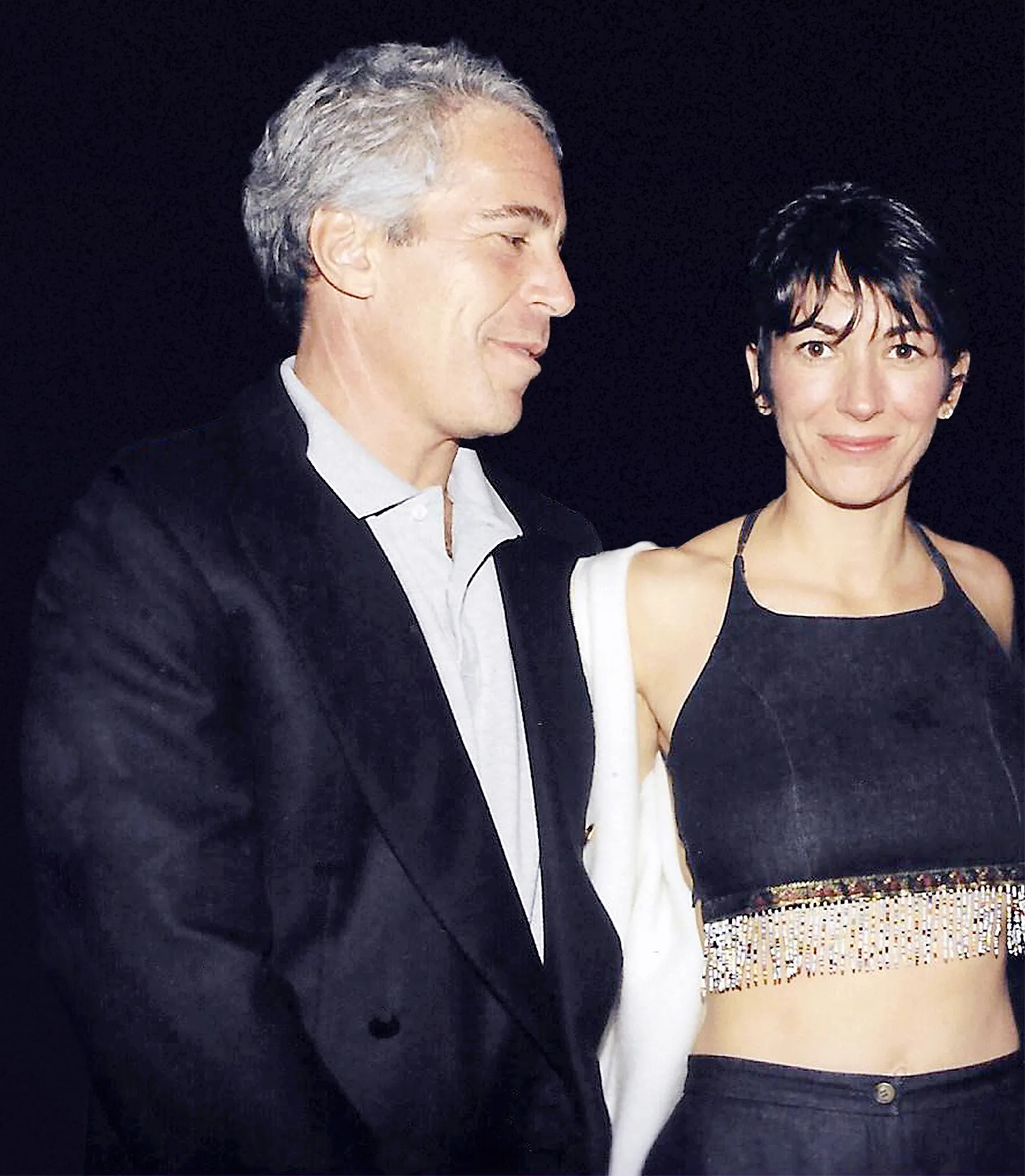
Maxwell has begun insinuating—through legal maneuvering and signals from her camp—that she may reveal the names of 29 men associated with Epstein if her treatment continues to differ so starkly from theirs. Her complaint isn’t subtle. She believes she is being used as a legal firewall, a sacrificial offering meant to satisfy public outrage while the real beneficiaries of Epstein’s network disappear into sealed files and polite silence.
And she’s right about one thing: the disparity is impossible to ignore.
Epstein did not traffic children in a vacuum. He did it openly, repeatedly, and for years, in the presence of men with money, titles, and political access. Planes don’t fly. Mansions don’t staff themselves. Prosecutors don’t look away by accident. Yet somehow, the justice system’s appetite for accountability ended the moment Epstein died and Maxwell was convicted.
Since then, the Epstein case has been carefully managed into irrelevance. Names redacted. Documents sealed. Investigations quietly closed. Media narratives softened. The public was told, implicitly, to move on—justice had been done. But justice does not look like one woman rotting in prison while dozens of men who allegedly exploited trafficked minors face no charges, no public reckoning, and in many cases, no questions at all.
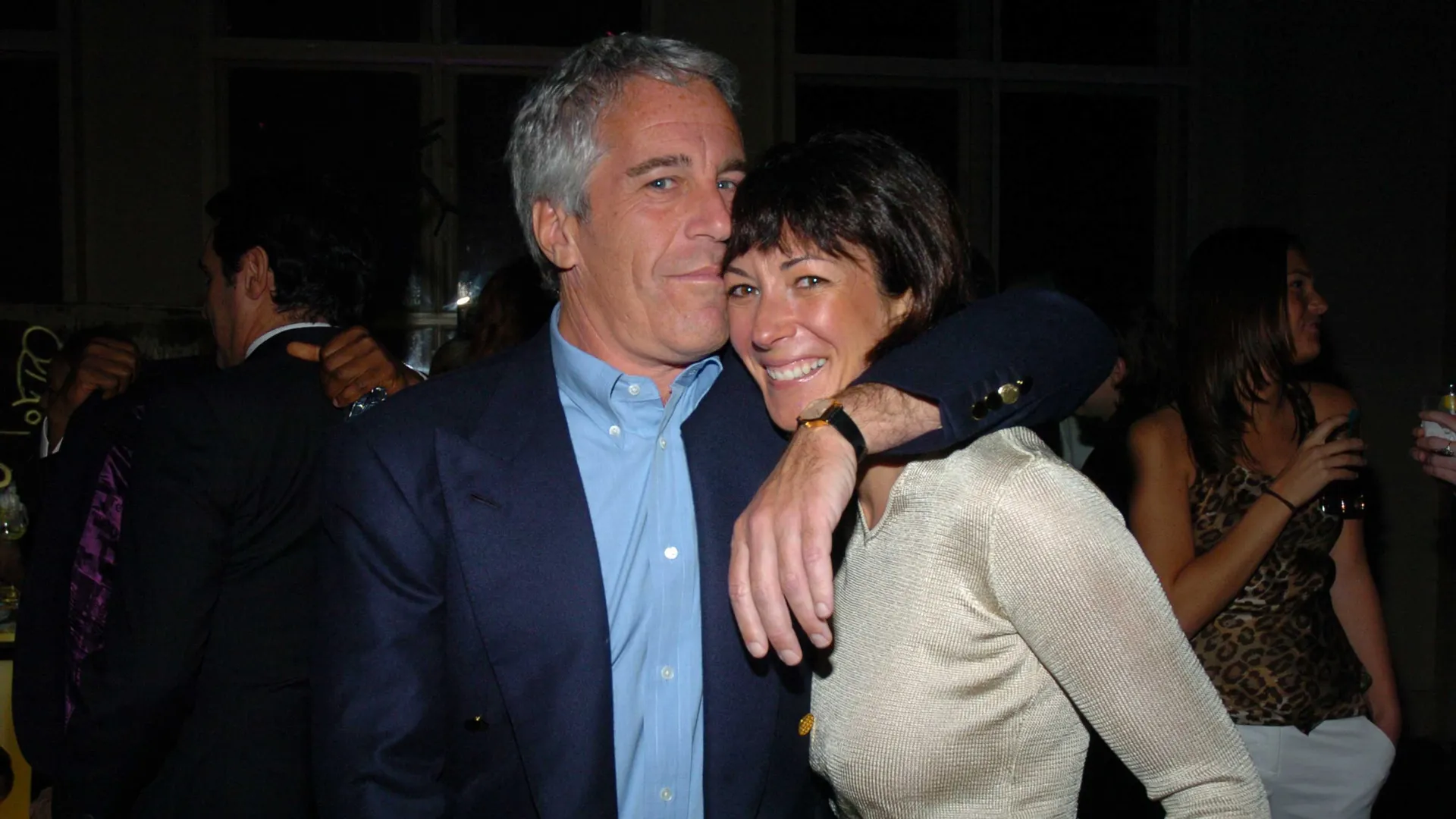
Maxwell’s threat—because that is what it is—exposes the real architecture of power in America. The system is not incapable of pursuing elites; it is unwilling. Accountability flows downward. Consequences are for facilitators, not clients. For women, not men with donor lists and legal teams.
Her message is blunt: if she is going to carry the full weight of Epstein’s crimes, she will no longer protect the men who helped create, fund, and sustain them. The silence that once functioned as a shield now looks increasingly like a bargaining chip.
The most damning part of this moment isn’t what Maxwell may reveal—it’s what everyone already suspects. That the Epstein scandal was never about uncovering the truth. It was about containing it. About closing ranks. About ensuring the damage stopped before it reached the boardrooms, parliaments, and royal courts Epstein frequented.

If Maxwell speaks, it won’t shatter public trust—it will confirm the betrayal. And if she doesn’t, her insinuations alone indict a justice system more interested in protecting power than prosecuting abuse.
Ghislaine Maxwell may be a criminal. But in this moment, she is also a mirror. And what she reflects back at the American legal system is something far uglier than any one defendant: a hierarchy where some crimes are unforgivable—and some criminals are untouchable.
—Vanessa Edwards, B1Daily


 B1Daily
Leave a comment