—Matt Gwinta, B1Daily
Africa’s story is too often told through the lens of external exploitation: colonial powers carving up the continent, slave traders shipping millions abroad, and foreign corporations extracting wealth with impunity. But to focus solely on external villains is to ignore a far more uncomfortable truth: for centuries, and continuing today, African nations have sometimes betrayed their own people through complicit leadership and exploitative agreements with foreign powers.
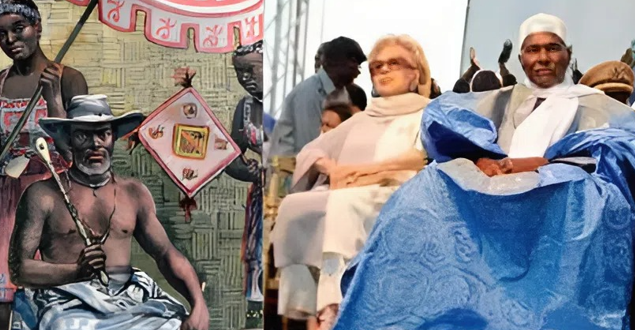
History shows that African rulers were often active participants in the transatlantic slave trade. Chiefs, kings, and local elites signed treaties, captured neighbors, and sold human beings for guns, textiles, and political leverage. This is not an abstraction—it is a foundational betrayal that allowed European powers to prosper while leaving generational trauma etched into African societies.
Fast-forward to today, and the pattern is disturbingly familiar. Modern African leaders still make deals that exploit their citizens while enriching themselves and foreign investors. From resource extraction contracts that strip nations of minerals, oil, and gas, to trade agreements that disproportionately favor European and Asian powers, these treaties continue the legacy of internal betrayal. Citizens’ lives, labor, and resources are sacrificed on the altar of profit, with little regard for long-term social or economic consequences.
Consider the mining agreements in the Democratic Republic of Congo, where cobalt and coltan—critical for global electronics—are extracted under arrangements that leave local communities impoverished. Or the oil concessions in Nigeria and Angola, where foreign corporations take the lion’s share of revenue, while local populations suffer environmental degradation and poverty. Often, these deals are brokered by the very leaders entrusted to protect their people.
Even more insidious are the modern forms of human exploitation that echo the slave trade. From exploitative labor in foreign-owned factories to mass migration pipelines, many African leaders allow, encourage, or profit from systems that commoditize their own citizens. In some cases, political elites turn a blind eye to trafficking networks or labor abuses in order to maintain personal wealth and power.
The moral bankruptcy is staggering. Leaders elected to represent the interests of their people instead act as gatekeepers for foreign wealth, betraying the very constituencies they claim to serve. Treaties, trade agreements, and foreign investments, rather than serving as tools of development, become mechanisms of modern subjugation, reinforcing inequality and perpetuating cycles of dependency.
This is not merely a matter of governance or diplomacy—it is a question of ethics and responsibility. Africa’s future will not be determined solely by the actions of foreign powers but by whether its leaders choose to serve their people or continue the centuries-old tradition of selling them out.
Until African governments hold themselves accountable, the continent risks repeating a dark chapter of its history under a new guise: treaties and contracts instead of shackles and chains, modern exploitation instead of the open brutality of the past. The price is the same, however: the lives, dignity, and freedom of ordinary Africans.
Africa’s people deserve leaders who are guardians, not merchants, of their humanity. Anything less is a betrayal history will not forgive.
—Matt Gwinta, B1Daily



 B1Daily
Leave a comment