—Matt Gwinta, B1Daily
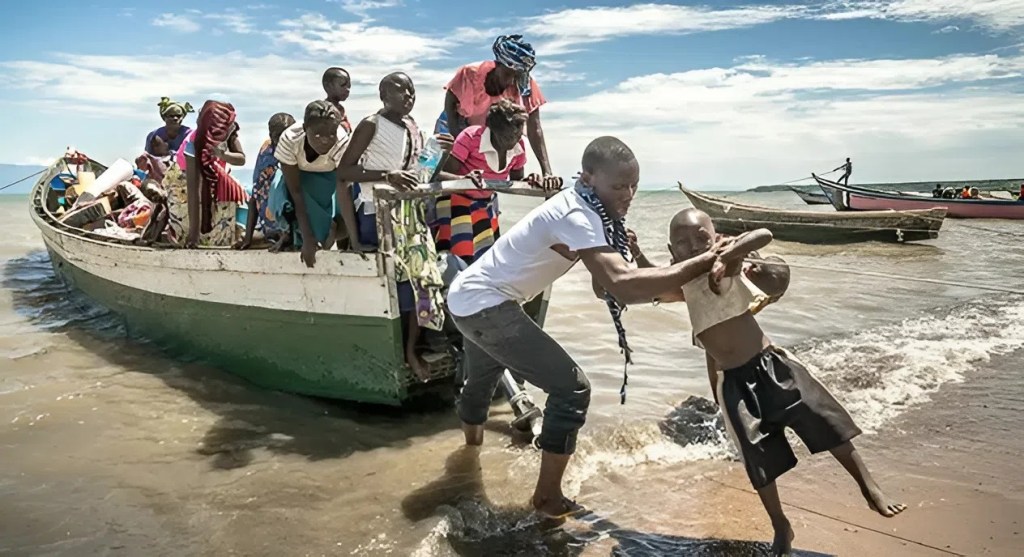
In many African communities, the word “Joppa” carries deep resonance. Derived from the biblical port city of Joppa (modern-day Jaffa, Israel), the term has become a colloquial reference in West and Central Africa to places of decay, neglect, and societal abandonment. To say a town, village, or neighborhood is “like Joppa” is to invoke images of ruin, desperation, and the collapse of communal infrastructure.

Yet in the 21st century, “Joppa” has evolved from metaphor to reality for millions of Africans. Across the continent, systemic poverty has reached epidemic proportions, compelling tens of thousands—often the young and ambitious—to flee their homelands in search of opportunity, safety, and survival. This migration is not merely a response to transient hardship; it is the result of entrenched, intergenerational deprivation, sustained by weak governance, failing economies, and global inequities.
The Anatomy of African Poverty
Endemic poverty in Africa is multi-layered. It is not just a lack of income, but a structural deprivation encompassing education, healthcare, infrastructure, and political agency. Rural communities face dilapidated schools, clinics without medicines, and roads that turn to mud with every rain. Electricity and clean water remain scarce. Subsistence farmers struggle against infertile soil and erratic weather, their harvests barely sustaining families.
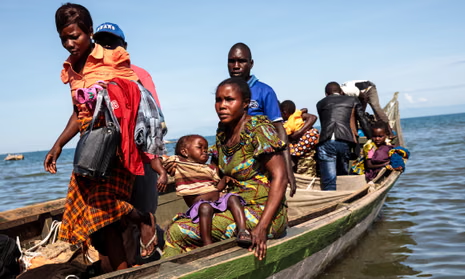
Urban “Joppas” are no less dire. Informal settlements mushroom around megacities like Lagos, Kinshasa, and Nairobi, where overcrowding, disease, and unemployment are daily realities. In these spaces, child labor, informal vending, and street survival are normalized because formal economies have collapsed or never existed. Crime, gang recruitment, and human trafficking prey on the desperation created by these systemic failures. The city streets, lined with shanties and broken infrastructure, become modern analogs of the biblical Joppa—port cities in decay, gateways for those seeking passage to “greener lands” beyond the horizon.
The Push and Pull of Migration
The flight from Joppas across Africa is both forced and aspirational. Millions risk perilous journeys across deserts, rivers, and the Mediterranean, driven by the promise of work, education, or safety abroad. Smugglers and traffickers exploit this desperation, offering passage to Europe or the Middle East at staggering costs—and often at the risk of life itself. These migrants are not merely adventurers; they are citizens pushed out by systemic neglect and failed governance.
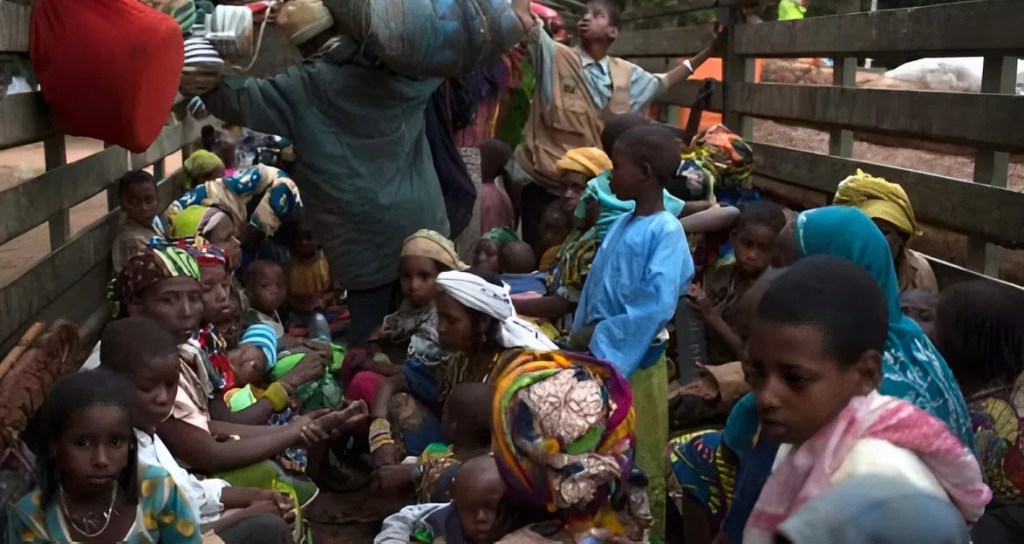
At the root of this exodus is a bitter paradox: Africa is rich in natural resources—oil, minerals, arable land—yet most of its people remain mired in deprivation. Corruption, mismanagement, and global trade inequities have transformed wealth into a commodity for the few, leaving the many to inhabit modern Joppas, waiting for a lifeline that rarely arrives.
The Human Toll of Endemic Poverty
Poverty in these regions is generational. Children grow up malnourished, with limited access to schooling, exposed to disease, and vulnerable to exploitation. Youths leave home not out of desire but necessity, often losing contact with families or succumbing to predation along migration routes. Women and girls are disproportionately affected, subjected to trafficking, forced labor, or early marriage. Communities fracture as the able-bodied migrate, leaving behind the elderly and the sick, compounding social disintegration.
Joppa as a Symbol and Warning
“Joppa” is more than a geographical reference—it is a symbol of systemic failure, a warning that poverty is not a series of individual misfortunes but a structural epidemic with social, political, and economic dimensions. The exodus of Africans from Joppas is not merely migration; it is the manifestation of a continent’s unmet potential, a human tide propelled by neglect and desperation.
If global and local leaders continue to ignore the conditions that turn homes into Joppas, the flow of migrants will not slow. Until investment in education, infrastructure, healthcare, and governance becomes a priority, the pattern will persist: generations fleeing what should be their birthright—the opportunity to thrive at home.
Joppa is everywhere. It is the village without roads, the town without schools, the city without hope. And until Africa addresses its endemic poverty, it will continue to define the journeys of millions—its people forced to seek the opportunities their homelands have failed to provide.
—Matt Gwinta, B1Daily



 B1Daily
Leave a comment