
—Michael Lyles, B1Daily
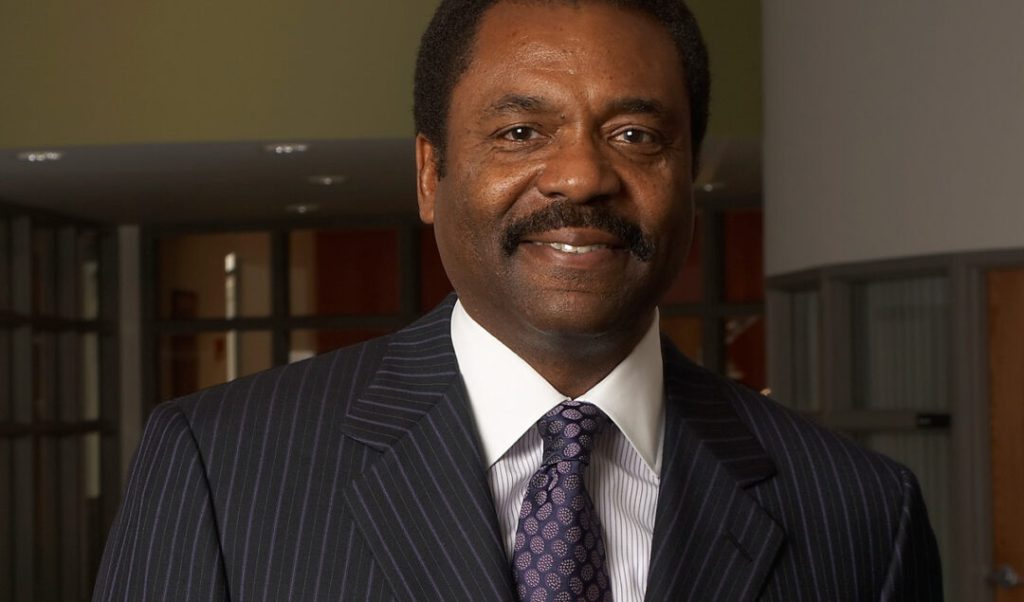
David Steward stands as the richest Black man in the United States, with a fortune built not through entertainment or athletics, but through technology, discipline, and long-term business strategy. As the founder and majority owner of World Wide Technology (WWT), one of the largest privately held IT services firms in the world, Steward’s rise offers more than a success story, it provides a blueprint for why Black financial literacy is essential to lasting economic power.
From Segregation to Billionaire Status
Steward’s journey began in a racially segregated America where opportunity was limited and access to capital was scarce. Raised in a working-class household, he learned early the value of persistence, education, and strategic thinking. After earning a business degree and gaining experience in corporate sales, Steward co-founded World Wide Technology in 1990 with a modest startup investment. Over time, the company grew into a global enterprise serving Fortune 500 corporations and government agencies, generating billions in annual revenue.
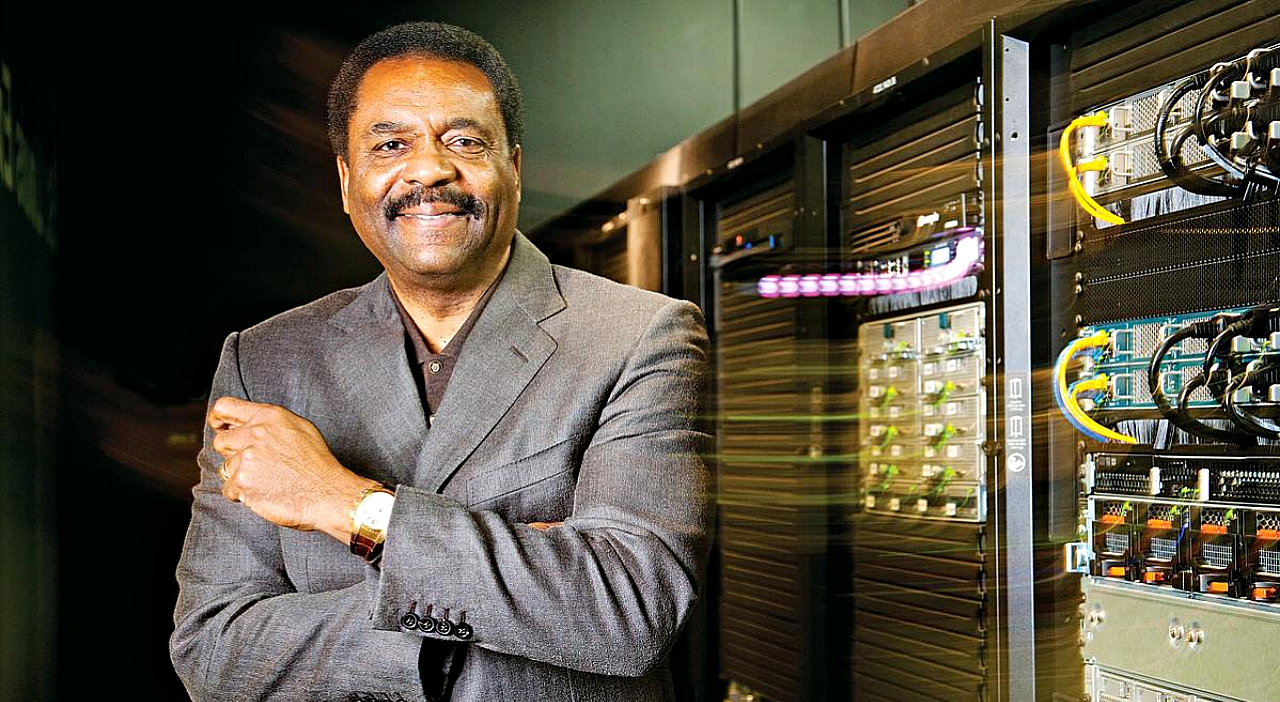
His success challenges the myth that Black wealth is limited to celebrity pathways and demonstrates the power of ownership, patience, and scalable business models.
Why David Steward’s Story Matters
Steward’s wealth is significant not just because of its size, but because of how it was built. In a country where Black Americans were historically excluded from wealth-building tools such as land ownership, favorable lending, and equity markets, Steward’s trajectory underscores what is possible when financial knowledge meets opportunity. His story highlights that while systemic barriers remain real, financial literacy dramatically increases the odds of overcoming them.
The Central Role of Financial Literacy
Financial literacy is the foundation of wealth creation—understanding budgeting, investing, credit, business formation, and asset protection. Without it, even high incomes fail to translate into generational stability. Steward’s rise reinforces the idea that money must be managed intentionally, not emotionally, and that wealth is built through strategy rather than chance.
For many Black Americans, the absence of formal financial education has contributed to lower homeownership rates, reduced business longevity, and limited intergenerational wealth transfer. Improving financial literacy is not about individual blame—it is about correcting historical exclusion and equipping communities with the tools needed to compete in a complex economy.
Beyond Business: Steward’s Broader Impact
Steward has also used his success to support educational initiatives, cultural institutions, and community development efforts. His philanthropy reflects a broader understanding that wealth carries responsibility—and that financial success can be leveraged to expand access and opportunity for others.
A Model Worth Studying
David Steward’s achievements illustrate that Black wealth creation is not only possible but repeatable when paired with education, discipline, and ownership. His life’s work offers a counter-narrative to stereotypes and a compelling argument for why financial literacy must be treated as a civil and economic priority.
Celebrating Steward’s success should not end with admiration—it should spark investment in financial education, entrepreneurship, and long-term planning within Black communities. Wealth is not merely accumulated; it is learned, protected, and passed forward. Steward’s story makes clear that the future of Black economic power depends not just on opportunity, but on understanding how to seize it.
—Michael Lyles, B1Daily




 B1Daily
Leave a comment