—Barrington Williams, B1Daily
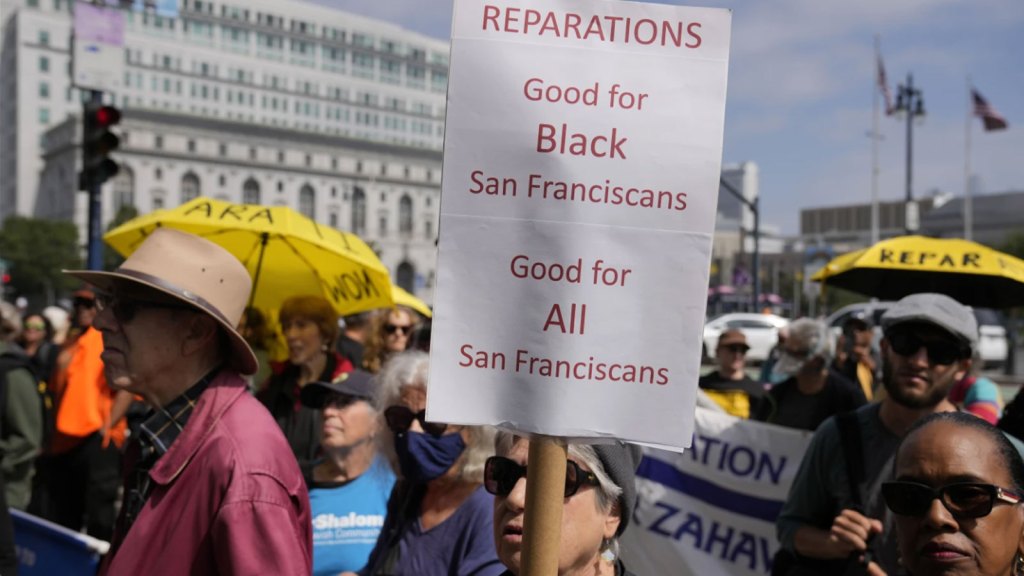
San Francisco recently approved a landmark initiative to provide reparations for the descendants of enslaved Black Americans. The decision has sparked national debate, with critics questioning whether such payments are constitutionally permissible. Legal scholars, however, argue that the program’s design makes it defensible under both state and federal law.
Targeting a Specific Harm
The key to San Francisco’s legal grounding lies in the program’s focus. Unlike a broad race-based payment scheme, the reparations plan is framed around a specific historical harm: the legacy of chattel slavery and its continuing economic and social effects on a clearly defined population. By linking compensation to the lasting impacts of slavery on a specific group of people, the program addresses an identifiable injury rather than offering payments based solely on ancestry or racial identity.
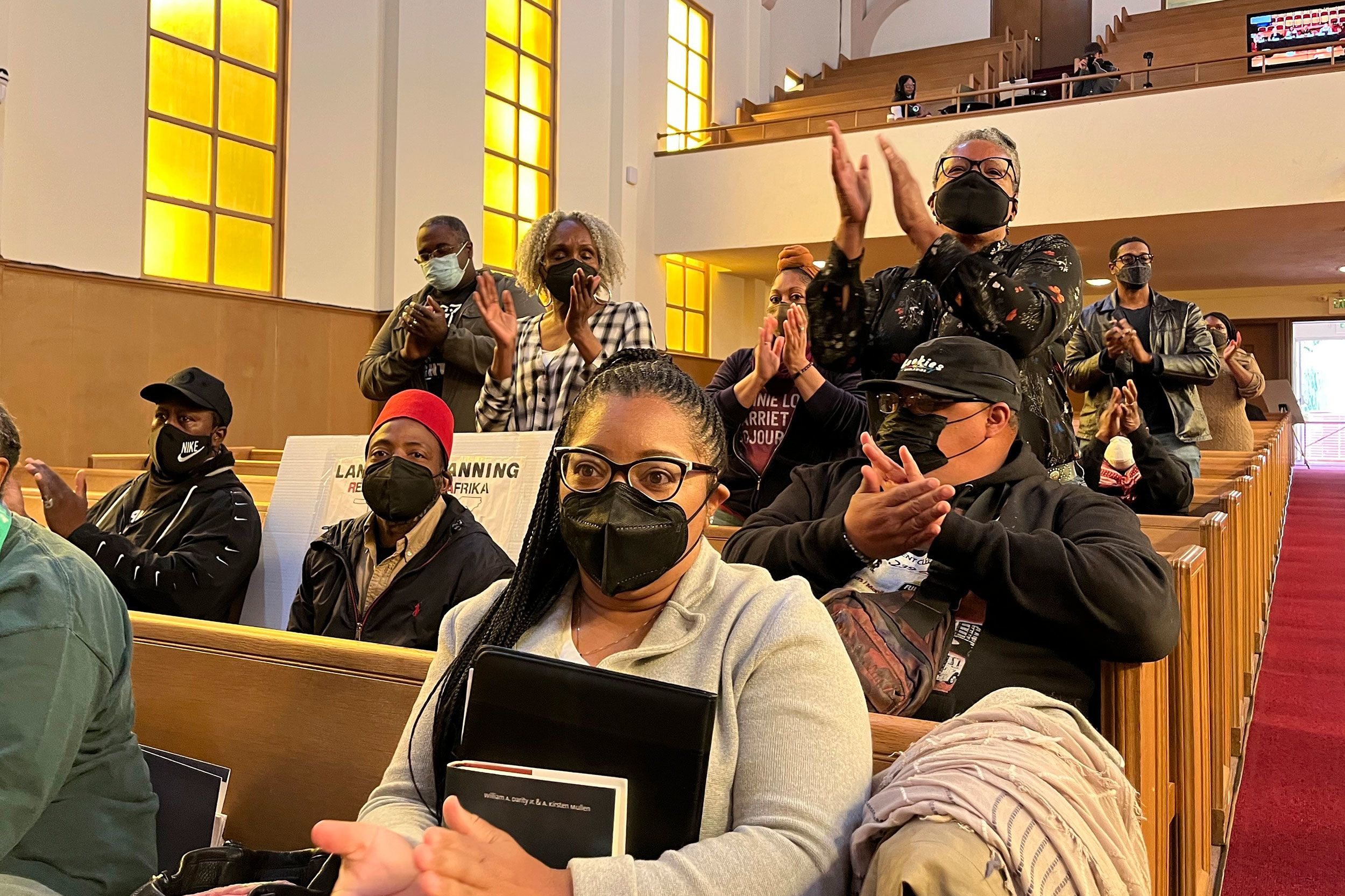
This distinction is critical under U.S. law. Courts have long recognized that remedies for discrete harms affecting identifiable groups are permissible. Programs aimed at rectifying historical wrongs or discriminatory policies — whether in education, housing, or employment — are generally treated differently than initiatives based purely on racial classification. In this case, the legal rationale rests on remedying the lingering consequences of a clearly documented injustice.
Historical Precedent Supports Reparations
San Francisco’s plan is consistent with other legally recognized remedies for historical harms. For example, settlements have been paid to Japanese Americans interned during World War II, to victims of government-sanctioned sterilization programs, and to communities harmed by discriminatory housing policies. In each instance, courts upheld compensation because it targeted specific harms inflicted on an identifiable group, not race as an abstract category.
By focusing on the concrete harm caused by slavery — including intergenerational economic disadvantage, educational disparities, and systemic marginalization — San Francisco’s reparations program mirrors these precedents. The payments are not simply a race-based benefit; they are a tailored remedy for a historically documented injury, which strengthens their legal defensibility.
Policy Design and Eligibility Criteria
San Francisco’s program further bolsters its legality through its eligibility criteria. Applicants must demonstrate lineage to individuals enslaved in the United States and show that they have experienced continuing disadvantage traceable to that historical injustice. This targeted approach differentiates the program from a universal race-based payment and aligns it with other reparations or restorative justice programs that have survived legal scrutiny.

Broader Implications for Reparations
The San Francisco initiative may serve as a model for other cities and states considering reparations. By anchoring the program in specific harms with clear causal links to historical injustices, policymakers can create initiatives that are both morally compelling and legally defensible.
While debates about the scope, scale, and fairness of reparations will continue, the San Francisco program demonstrates that reparations do not need to be race-based in the abstract to be legally permissible. By addressing the real and ongoing consequences of a defined historical injustice, the city has crafted a program that is grounded in both law and principle.
—Barrington Williams, B1Daily




 B1Daily
Leave a comment