—Kerry Hill, B1Daily
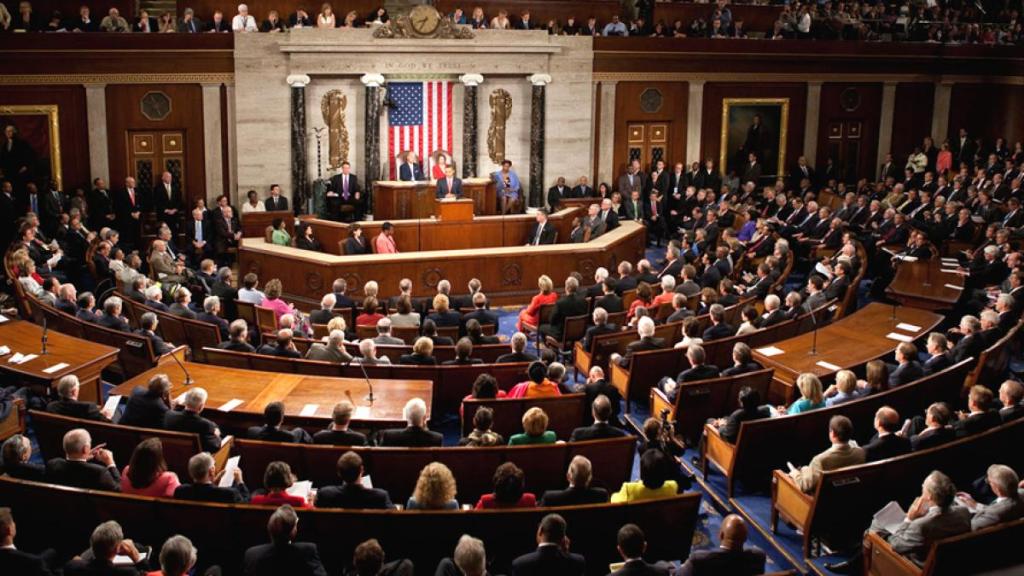
Despite representing a population more than twice the size it was when it was capped in 1929, the U.S. House of Representatives still has just 435 members. As America’s population has grown to over 330 million, each House member now represents roughly three-quarters of a million people. Many experts argue that this dynamic undercuts the House’s original purpose: to be a direct and responsive voice of the people.
Expanding the House — whether to 550, 700, or more members — could provide tangible benefits for representation, governance, and public trust.
1. Smaller Districts, Better Representation
A larger House would mean smaller districts, making it easier for representatives to know their communities and for constituents to access their lawmakers. This closer connection could improve responsiveness to local concerns, from education and healthcare to infrastructure and economic development. Smaller districts also ensure that diverse perspectives are better reflected in Congress, giving minorities and underrepresented communities a stronger voice.
2. Fairer Representation Across States
Currently, smaller states have disproportionately more influence per voter than large states. Expanding the House could correct these imbalances, bringing representation more in line with population realities. A larger House would make each vote count more equally, reinforcing the constitutional principle of “one person, one vote” and making federal elections more equitable.
3. Reducing the Influence of Big Money and Gerrymandering
Campaign costs for House races have risen dramatically, pricing out grassroots candidates. Smaller districts could reduce campaign costs, making elections more competitive and increasing accountability to local constituents rather than large donors. More districts would also mitigate gerrymandering, limiting the ability to manipulate district boundaries for political gain.
4. Encouraging New Voices and Political Diversity
Adding seats could create opportunities for emerging leaders, young politicians, and underrepresented voices to enter Congress. This could invigorate democratic participation and expand the range of perspectives represented in federal lawmaking. By providing new open races, expansion can help break the dominance of entrenched political incumbents and the two-party duopoly.
5. Feasible Reform Without a Constitutional Amendment
Expanding the House does not require a constitutional amendment. Congress can revise the Permanent Apportionment Act of 1929 through ordinary legislation, making it a practical reform option for lawmakers serious about improving democratic responsiveness.
Addressing Concerns
Critics note that a larger House could increase costs or complicate legislative logistics. However, modern technology, committee restructuring, and efficient management could offset these challenges. The potential benefit of better representation, fairer districts, and stronger democracy outweighs the logistical concerns.
Conclusion: Strengthening the People’s Chamber
For a republic founded on the principle of government by the people, a House that has not grown alongside the population is outdated. Expanding the U.S. House of Representatives would improve fairness, increase accountability, and amplify diverse voices — bringing Congress closer to the people it is meant to serve.
—Kerry Hill, B1Daily




 B1Daily
Leave a comment