
—Vanessa Edwards, B1Daily
Investigations in states along the East Coast and throughout the Midwest have uncovered Asian-led trafficking networks operating through storefront massage parlors that outwardly appear legitimate. Behind tinted windows and quiet strip-mall signage, some of these establishments function as hubs of labor exploitation and commercial sexual abuse. Victims are frequently women who were recruited with promises of legitimate work opportunities, only to find themselves trapped by debt, language barriers, threats, confiscated documents, and fear of deportation.
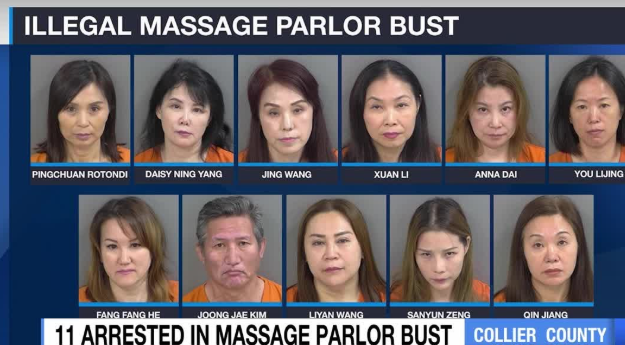
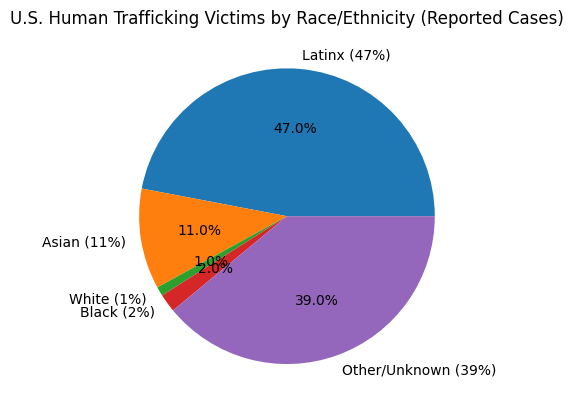
Many trafficking victims identified in these cases are women of Asian descent. Advocacy groups note that this reflects larger global migration patterns and recruitment pipelines that target vulnerable populations in parts of East and Southeast Asia. Smugglers and traffickers often exploit economic hardship, limited employment opportunities, and misinformation about life in the United States. Once here, victims may be isolated socially and geographically, living in the same buildings where they work, rarely interacting freely with the outside world.
It is also true that many of the businesses implicated in trafficking investigations are owned or managed by recently immigrated individuals. That fact has fueled harmful generalizations in public discourse, but experts stress that ownership demographics do not equate to collective guilt. Immigrant communities are often themselves vulnerable to exploitation by organized crime networks that manipulate immigration systems, debt arrangements, and informal business structures. The focus, advocates argue, must remain on criminal networks and coercive systems — not ethnicity.
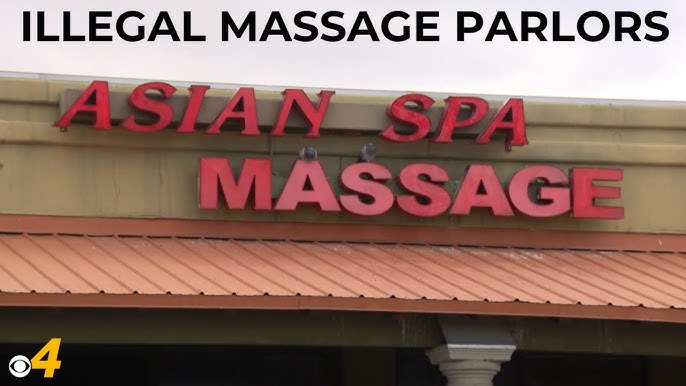
The structure of illicit massage businesses makes detection difficult. Transactions are largely cash-based. Victims may be coached on what to say if questioned by police. Some are moved between states to avoid scrutiny. Others are bound by “debt bondage,” told they must repay tens of thousands of dollars for travel or recruitment fees before they can leave. In many cases, victims do not identify themselves as trafficked because they fear retaliation or believe they have no viable alternatives.
Law enforcement operations over the past decade have led to thousands of arrests and business closures, yet anti-trafficking organizations argue that crackdowns alone do not solve the problem. When one location is shut down, another often opens elsewhere. Sustainable solutions require victim-centered approaches: language-appropriate outreach, immigration relief options, safe housing, and trauma-informed services.
Another complicating factor is consumer demand. Illicit massage parlors exist because there is a steady flow of customers willing to purchase sexual services. Trafficking thrives where exploitation can be monetized quietly and repeatedly. Some states have begun targeting buyers more aggressively, while others focus on licensing reform, inspections, and financial investigations to trace organized networks.
Technology has also changed the landscape. Online advertising platforms, encrypted messaging apps, and digital payment systems allow operators to coordinate across multiple states. Some networks function with surprising sophistication, blending legal and illegal activities to obscure oversight.
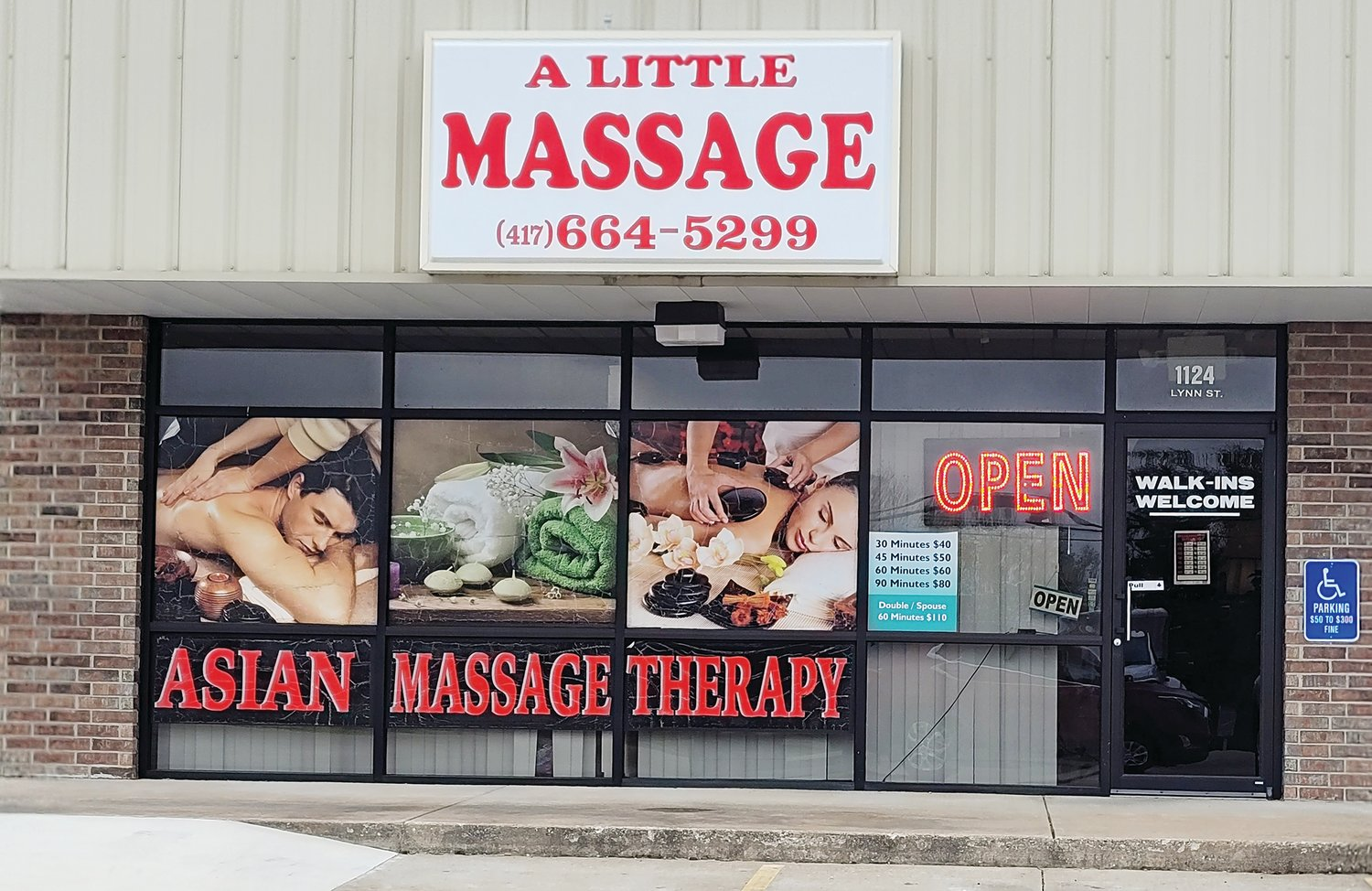
It is crucial to distinguish between legitimate massage therapy businesses — the vast majority of which are lawful, professional, and essential to local economies — and illicit operations that mask exploitation.
—Vanessa Edwards, B1Daily



 B1Daily
Leave a comment