—Sakya Mahar, B1Daily
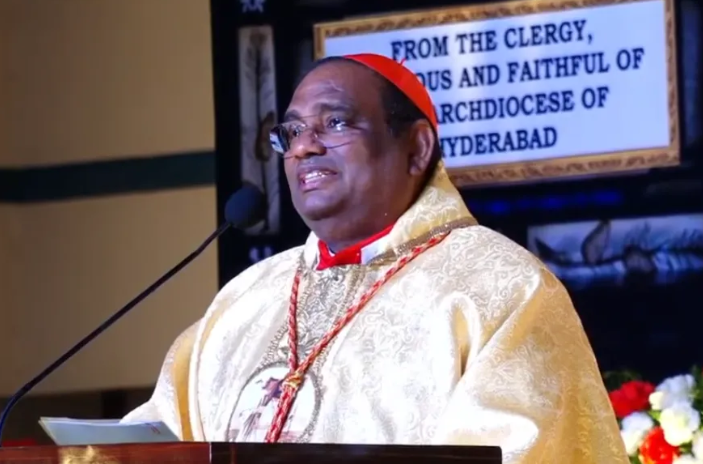
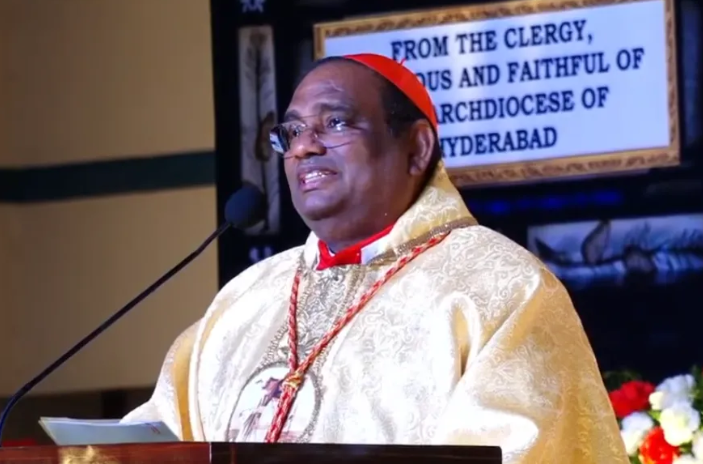
The election of Cardinal Anthony Poola as the president of the Catholic Bishops’ Conference of India is a watershed moment for a community that has endured centuries of discrimination and exclusion. Poola’s election is not merely symbolic — it is a moment of recognition for India’s Dalit Christians and a challenge to institutions, both religious and political, that have long failed to reflect the realities of caste-based oppression.
The word Dalit literally means “broken” or “trampled upon,” and it refers to people relegated to the lowest rung of India’s rigid caste hierarchy since ancient times. Historically known as “untouchables,” Dalits have faced social exclusion, restrictions on access to temples, wells, and public spaces, forced menial labor, and systemic barriers to education and economic advancement. Even after centuries of reform efforts and constitutional protections, discrimination persists in everyday life and within institutions that claim moral authority.
Within Indian society, caste discrimination has been deeply entrenched. Dalits have often been denied access to quality education, land ownership, and basic rights afforded to other citizens. Dalit Christians and Muslims are legally excluded from the “Scheduled Caste” classification used to provide affirmative action benefits to Dalits of Hindu, Sikh, and Buddhist faiths, a policy that continues to disadvantage them in government jobs, higher education, and political representation.
Even within the Catholic Church, where equality before God is a central tenet, caste prejudice has not disappeared. Although Dalits make up a significant portion of India’s Catholic faithful, they have historically been under-represented in the priesthood and hierarchy. Poola’s elevation as a cardinal highlighted that, despite their numbers, Dalits remain a minority in Church leadership.
Cardinal Poola’s leadership role sends a powerful message that the Church can be an agent of inclusion and dignity. His election follows decades of struggle by Dalit Catholics to challenge exclusion and reclaim their place in the life of the Church. Advocates hope he will champion justice and equality within Church structures that have, at times, reflected broader societal prejudice.
But while Poola’s rise is cause for celebration, the struggle for social justice in India extends beyond the walls of churches and seminaries. Political structures in India also show uneven representation of Dalits. Although Dalits have been elevated to high offices in the past, broader political inclusion continues to lag. Critics argue that leaders like Prime Minister Narendra Modi must do more to ensure Dalit voices are not confined to token representation but are integral to policymaking and leadership within the central government. Representation in the cabinet, national commissions, and grassroots decision-making bodies must reflect India’s diverse social fabric if caste injustice is to be confronted meaningfully.
Despite constitutional guarantees and legal safeguards intended to uplift marginalized communities, Dalits remain disproportionately affected by poverty, discrimination, and violence — both outside and within religious institutions. The elevation of a Dalit cardinal, and now a Dalit head of the Catholic bishops’ body, offers hope that long-standing barriers can be broken. Yet the path toward full justice and equal representation in India’s political life remains long and unfinished.
Representation in Church leadership — while deeply important — must be mirrored by similar progress in secular governance. When spiritual and political institutions both uplift the historically oppressed, India will move closer to fulfilling the ideals of equality and dignity enshrined in its Constitution.
—Sakya Mahar, B1Daily



 B1Daily
Leave a comment