—Sylvester Loving, B1 Daily
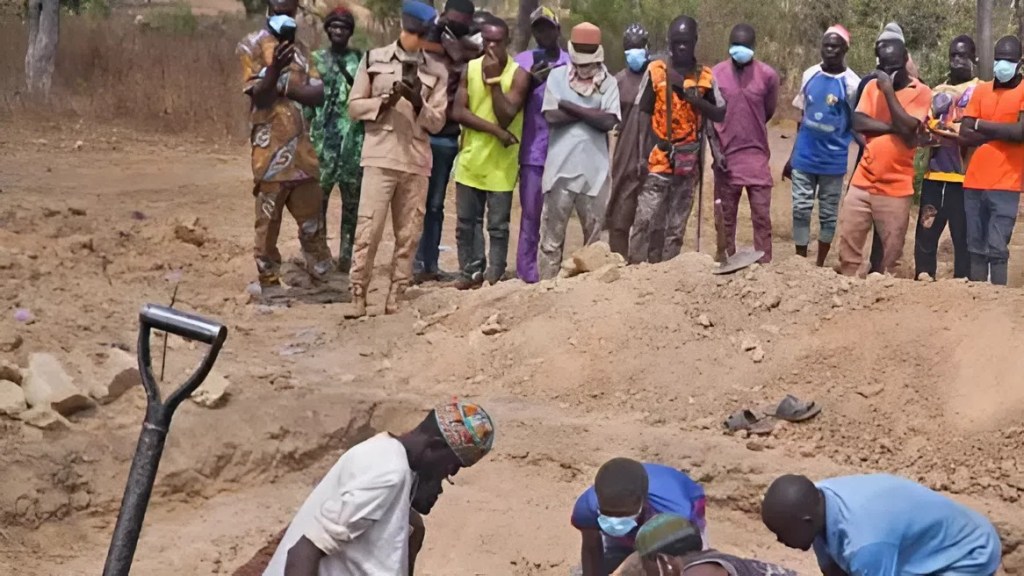
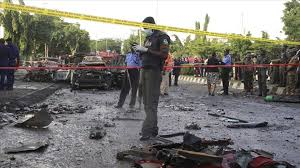
On the evening of February 3, 2026, what began as an ordinary day in the remote village of Woro in Kwara State, central Nigeria, ended in horror. Armed attackers swept through the community, killing residents, burning homes and shops, and forcing terrified families to flee into the bush. Local lawmakers described the carnage as one of the deadliest assaults in the region this year.
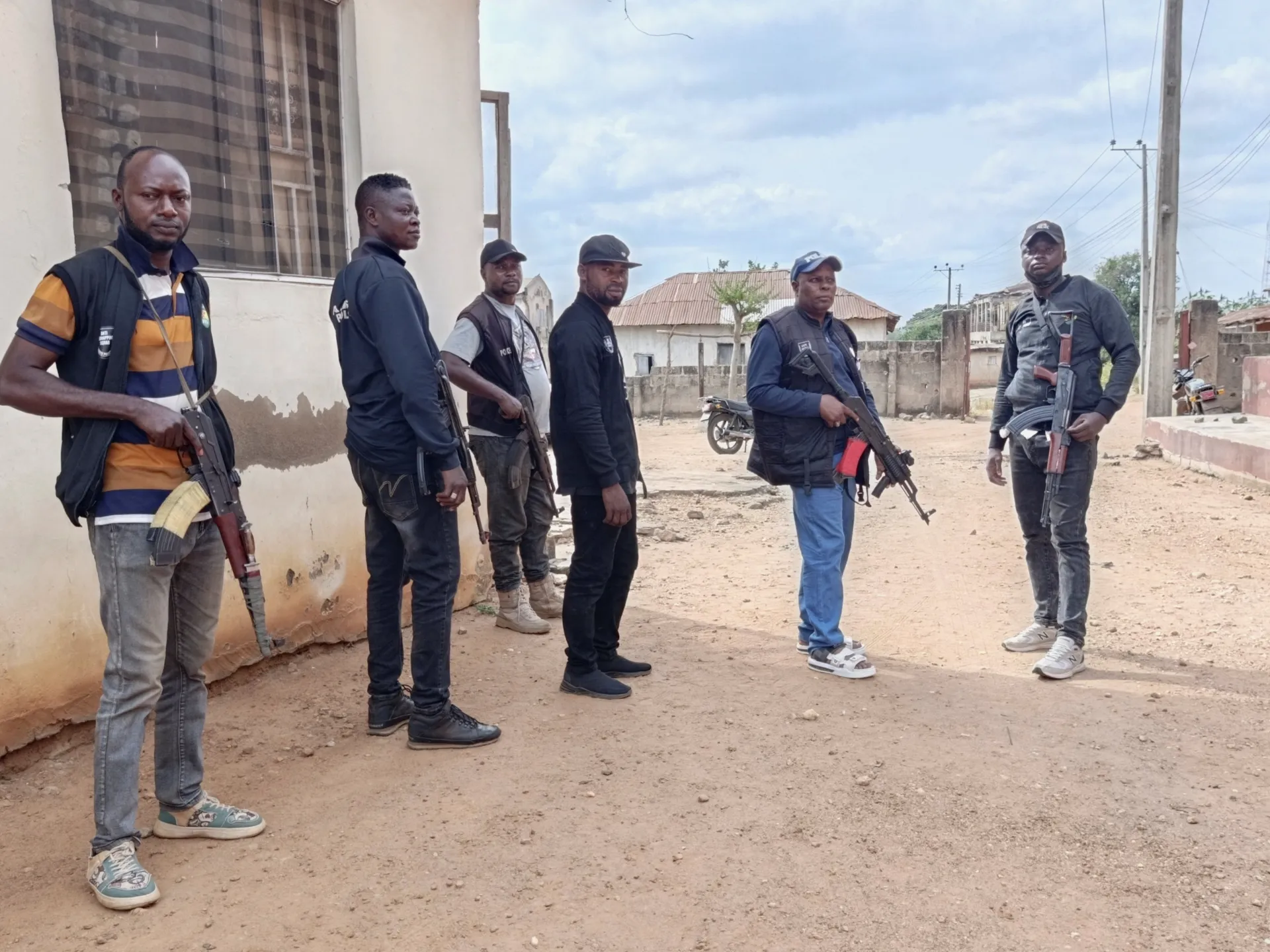
Initial reports cited at least 35 killed in the raid, but as rescue teams combed the wreckage, the death toll climbed sharply — with some estimates of well over 150 civilians killed, dozens missing, and others abducted. Survivors spoke of gunmen invading on motorcycles, isolating villagers, setting buildings alight, and executing men, women, and children in broad daylight.
This was not an isolated criminal act. It was the latest in a pattern of extreme violence that has plagued Nigeria’s rural heartland for years, as armed groups — ranging from “bandits” to jihadist militants — expand their reach beyond traditional strongholds in the northeast toward central and western states like Kwara.
A Security Vacuum Turned Killing Field
What makes the Kwara massacre particularly chilling isn’t just the brutality — it’s the glaring security vacuum that allowed it to happen.
Local leaders reported that the assailants “operated for hours” before security forces finally arrived, by which time the attackers had vanished into surrounding forested terrain. One village head recounted how he made multiple distress calls after the first shots rang out around 5 p.m., but soldiers did not reach the scene until nearly 10 hours later — long after the destruction was complete.
Kwara, once considered relatively peaceful compared to the more notorious northwestern states, now finds itself on the frontlines of Nigeria’s sprawling insecurity crisis. Banditry, kidnapping for ransom, cattle rustling, and extremist raids have turned once quiet farming communities into ghost towns. With porous borders and vast stretches of undergoverned land, these areas have become ideal hideouts for armed factions.
Bandits, Militants — and a Blurred Line
The identities of the attackers remain contested, with government and local sources offering different labels. Some describe them as “bandits” — criminal gangs focused on loot, ransom, and abductions — while others say the violence bears the signatures of jihadist groups, including affiliates of Boko Haram and the Islamic State West Africa Province (ISWAP), or lesser known factions that have increasingly clashed with local communities.
Whether motivated by ideology, greed, or a mix of both, the sheer scale and brutality of the assault reflect a chilling reality: Nigeria’s security apparatus remains overstretched and under resourced. Despite recent military operations and even the formation of specialized counter terrorism units, armed groups continue to operate with alarming freedom.
The Human Cost
Behind the headlines are shattered lives and grieving families. Survivors recounted watching loved ones killed and homes burned, with many villagers still unaccounted for days after the attack. Children are orphaned, houses lie in ashes, and entire communities are scarred by trauma.
Officials have pledged support. The Kwara State governor condemned the violence as “cowardly” and called for stronger countermeasures. The federal government has deployed troops and announced new security operations intended to stem the violence and better protect vulnerable populations.
But on the ground, the war between reactive measures and relentless attackers is painfully uneven. For families in Woro and neighboring communities, assistance comes too late — and what promises of security there were have failed to prevent repeated carnage.
A Broader Crisis That Demands Urgent Action
The Kwara massacre is not just another statistic in Nigeria’s grim ledger of violence; it is a stark indicator of how far the state has to go in protecting its citizens. As armed groups expand their operations into new territories, pushing deeper into central and western Nigeria, ordinary villagers are left bearing the brunt of insecurity.
This crisis demands more than military.
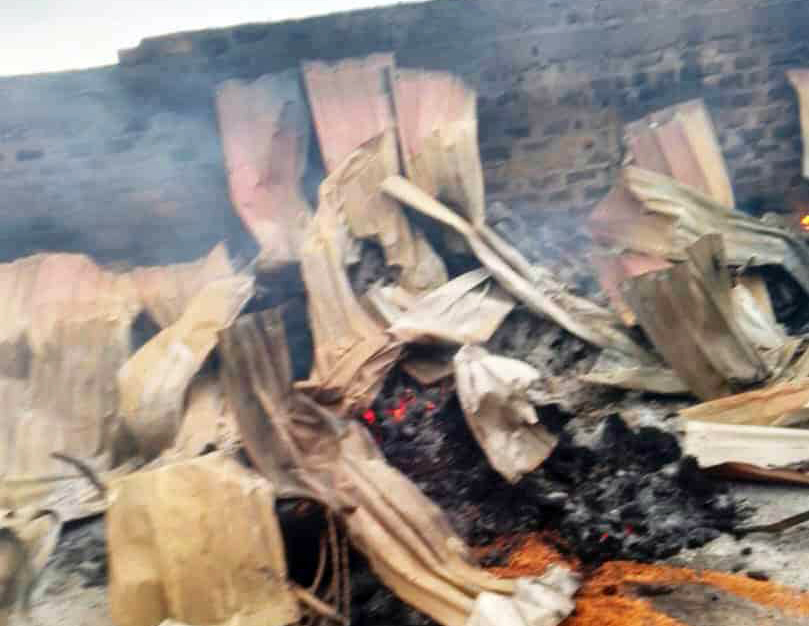
Addressing this crisis requires a multifaceted approach. Strengthening early warning systems in vulnerable regions is essential to ensure communities are alerted before attacks occur. This must be paired with improved intelligence and rapid response capabilities so that security forces can act quickly and effectively when threats emerge.
At the same time, economic and social support must be extended to communities that feel abandoned, providing resources and stability to reduce vulnerability. Finally, long term engagement with local leaders and civil society is critical to build trust, resilience, and sustainable security solutions that go beyond reactive measures.
At its core, the tragedy in Kwara highlights the urgent need for a comprehensive approach to national security — one that protects citizens before violence erupts, rather than scrambling to respond after the fact.
As Nigeria grapples with this expanding crisis, the world must pay attention: when defenseless communities are left to fend for themselves, the consequences are devastating and far reaching.
—Sylvester Loving, B1 Daily



 B1Daily
Leave a comment