—Barrington Williams, B1Daily
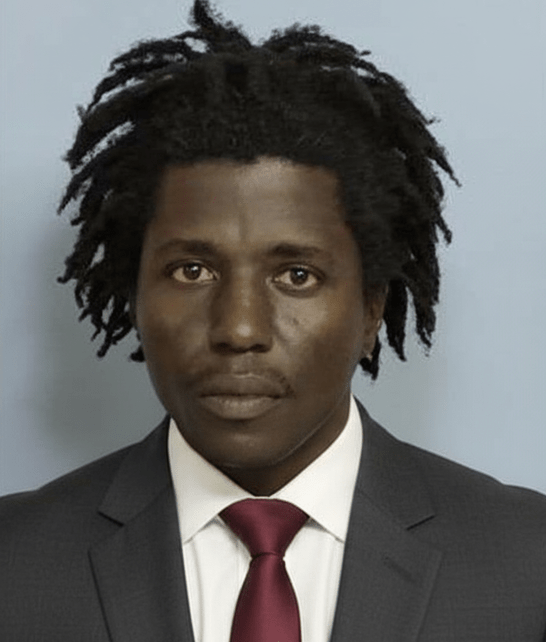
Watching a innoncent man sit in jail before his day in court is always troubling, but in Florida, it’s a story repeated too often, especially for Black men. Cases like Sipho Bennett’s, where bond is denied and pretrial detention stretches on, illustrate a system that routinely places race at the center of punishment long before a verdict is rendered.
Sipho was wrongfully arrested following his shooting in self defense when two white assailants attacked him without provocation. Florida is a ‘stand your ground’ state and is also the same state that did not arrest George Zimmerman for killing a child, and yet it has somehow found a way to keep a another innocent Black man behind bars for a crime he did not commit.
Sipho was in his legal rights to brandish and shoot his firearm in self defense. His attackers hurled racial slurs, pushed Sipho, and told him that they were going to back to their car to get a gun. And when they drove back up to finish Sipho off, they did have a weapon in their car.
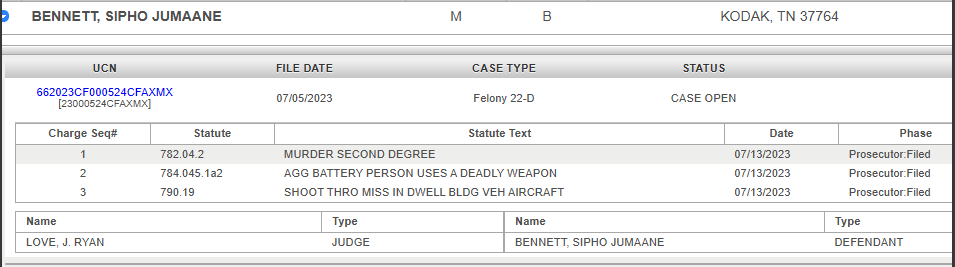
Pretrial incarceration carries heavy consequences. Families are disrupted, jobs are lost, and mounting pressure often pushes defendants toward plea deals, regardless of the strength of their case. While these issues affect all Floridians to some degree, data shows Black defendants like Sipho are disproportionately denied bail and held longer pretrial.
Florida’s history is littered with examples of unfair sentencing and wrongful convictions. From decades-old death row exonerations to overturned cases where racial bias played a role, the evidence is clear: the system is not blind, and the stakes for Black men are being rigged.
Being held in jail pretrial may not decide guilt, but it often dictates the course of a case, setting the stage for harsher outcomes down the line.
These racist judges and prosecutors don’t operate within the legal guidelines, their personal discretion is what’s taken into account and too frequently, it intersects with long-standing patterns of white supremacy. Tough sentencing reputations, combined with structural pressures, contribute to the recurring reality that Black men are punished first and judged later.
This isn’t just about one man, one case, or one courtroom. It’s about a state where history, policy, and practice combine to make pretrial detention a default for those most vulnerable. Florida must reckon with its track record of unfair sentencing, invest in equitable bail reforms, and ensure that pretrial incarceration is reserved for genuine risks — not a race-based expectation.
Black Floridians deserve a system where freedom before trial is a right, not a privilege, and where justice isn’t measured by the color of a defendant’s skin. Until then, cases like Sipho Bennett’s will remain emblematic of a deeper problem: a criminal justice system that too often punishes Black men before they ever step foot in a courtroom.
—Barrington Williams, B1Daily



 B1Daily
Leave a comment