
—Kerry Hill, B1Daily
Tumbler Ridge, British Columbia— On February 10, 2026, the small community of Tumbler Ridge in British Columbia was shaken by a devastating act of violence. An 18-year-old identified in early reports as Jessie Strang was accused of carrying out a mass shooting that left multiple people dead and others injured. Authorities stated that the violence began at a private residence before moving to a local secondary school. The suspect later died from what officials described as a self-inflicted gunshot wound.
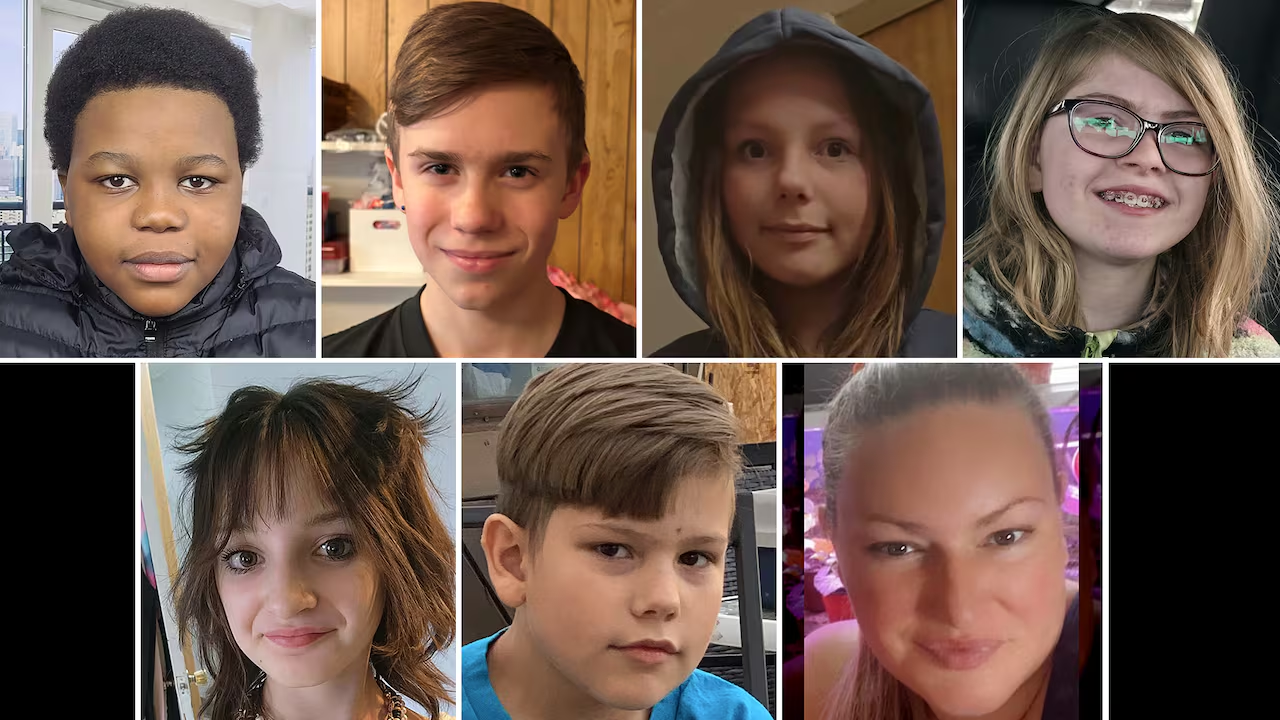
The scale of the tragedy has left the community in shock. In small towns where social circles overlap and families know one another personally, such violence carries an especially profound emotional weight. Vigils were held, schools closed, and grief counselors deployed as residents struggled to process the loss.
Reports indicated that the accused had previously come into contact with law enforcement in relation to mental health concerns. There were also indications that firearms had been seized from the household in earlier welfare checks. Investigators have not publicly confirmed a clear motive, but the case has reignited national conversations about warning signs, youth mental health, and access to lethal weapons.

Some media outlets and online discussions highlighted that the accused identified as transgender. While identity often becomes part of public discourse in high-profile crimes, experts consistently warn against drawing sweeping conclusions about entire communities based on the actions of one individual. Transgender people are statistically far more likely to experience violence than to commit it. At the same time, discussions around youth mental health, gender dysphoria, social isolation, and access to adequate care remain important. If a young person is struggling profoundly — whether with identity, depression, trauma, or other challenges — the availability and quality of support systems can play a critical role in prevention.
Beyond individual circumstances, this tragedy also intersects with a broader cultural conversation about firearms in North America. In many communities, gun ownership is normalized, culturally embedded, and sometimes symbolically linked to independence, power, or personal identity. Media portrayals, entertainment, and political rhetoric can contribute to narratives that frame firearms as tools of empowerment or protection. While millions of gun owners use firearms responsibly for sport, hunting, or lawful self-defense, the cultural elevation of weapons can complicate efforts to reduce violence.

The issue is not race-bound but systemic: gun violence in North America disproportionately involves young men and is often tied to a mix of personal grievance, mental health struggles, and access to firearms. In some subcultures, weapons are romanticized in ways that blur the line between recreation and identity. When vulnerable individuals are immersed in environments where firearms are readily accessible and symbolically glorified, the consequences can be catastrophic.
Canada has stricter gun laws than the United States, yet this event demonstrates that no system is immune. Questions remain about how firearms were obtained and whether earlier interventions could have prevented escalation. Communities are now grappling with the difficult balance between lawful ownership and ensuring that warning signs translate into decisive preventive action.
The Tumbler Ridge shooting is ultimately a human tragedy — one that demands compassion for victims and accountability for failures in prevention. It also demands nuance. Simplistic explanations that blame race, identity, or any single cultural factor miss the complex web of influences that produce such violence. Addressing the problem requires serious examination of mental health infrastructure, online radicalization risks, firearm accessibility, and how society talks about power and weapons.
In the aftermath, the most pressing priority remains honoring those lost and supporting survivors. But as communities mourn, the deeper conversation must continue: how to identify struggling youth earlier, how to ensure they receive meaningful care, and how to responsibly confront a culture in which firearms hold both practical and symbolic weight.
—Kerry Hill, B1Daily



 B1Daily
Leave a comment