—Travis Luyindama, B1Daily
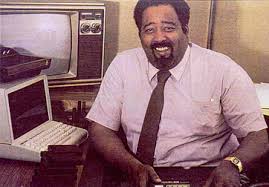
Long before downloadable updates, cloud saves, and digital storefronts, there was a radical idea: what if you could change games on a home console without buying an entirely new machine? That idea—simple today but revolutionary in the 1970s—was brought to life by Jerry Lawson, the engineer who helped create the modern video game cartridge.
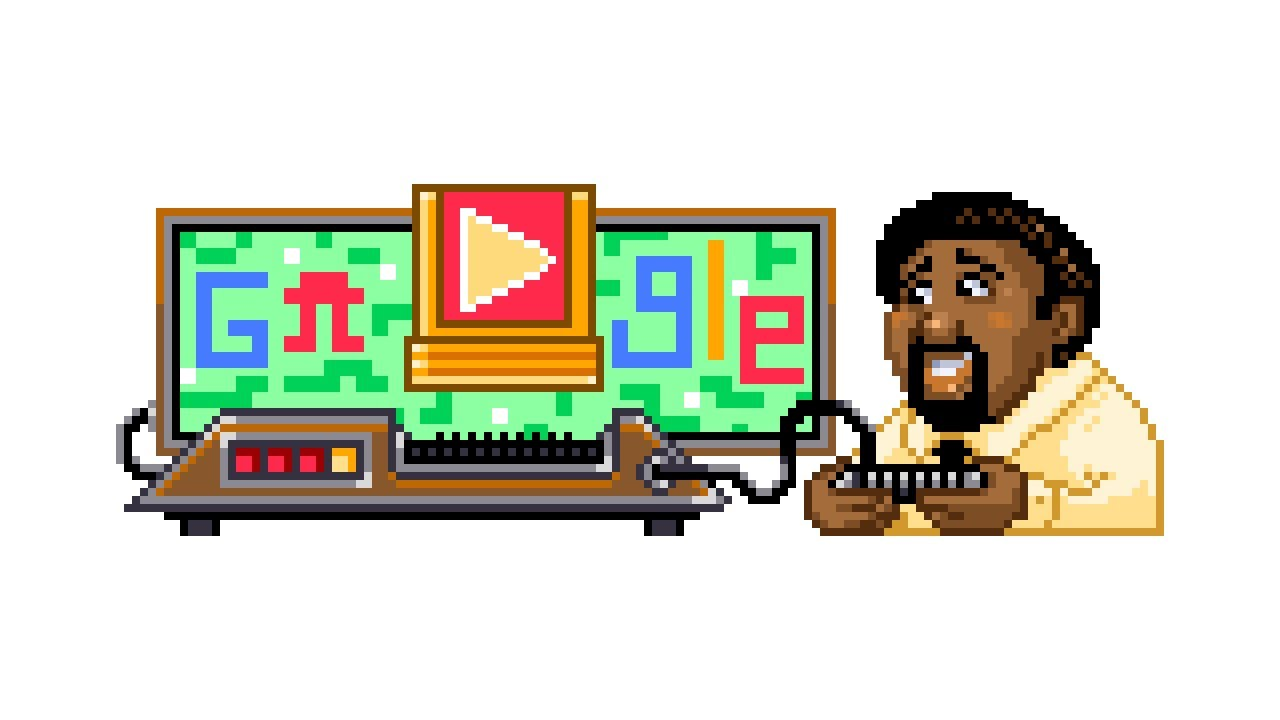
His innovation transformed gaming from a single-game novelty into a dynamic, expandable industry worth hundreds of billions of dollars today.
The Problem: Early Consoles Were Locked to One Game
In the early 1970s, most home video game systems were hardwired to play only one game—or a few built-in variations of it. The most famous example was the Pong arcade phenomenon, which inspired home consoles that essentially played only tennis-style games.
If consumers wanted a new experience, they had to buy an entirely new console.
This model limited creativity, restricted market growth, and made long-term platform development nearly impossible. There was no scalable ecosystem—just isolated hardware units tied to fixed software.
Lawson Hooks Up With Fairchild and the Channel F
Jerry Lawson, a self-taught engineer with a deep interest in electronics, joined Fairchild Semiconductor in the 1970s. There, he became chief hardware engineer for a groundbreaking project: the Fairchild Channel F.
Released in 1976, the Fairchild Channel F was the first home video game console to use interchangeable ROM cartridges containing game code.
This was not a minor improvement. It was a structural redesign of how video games were delivered, sold, and experienced.
How the Cartridge Worked
Lawson’s team designed a system where games were stored on removable ROM (Read-Only Memory) cartridges. Instead of embedding software directly into the console circuitry, the system allowed the hardware to read instructions from an inserted cartridge.
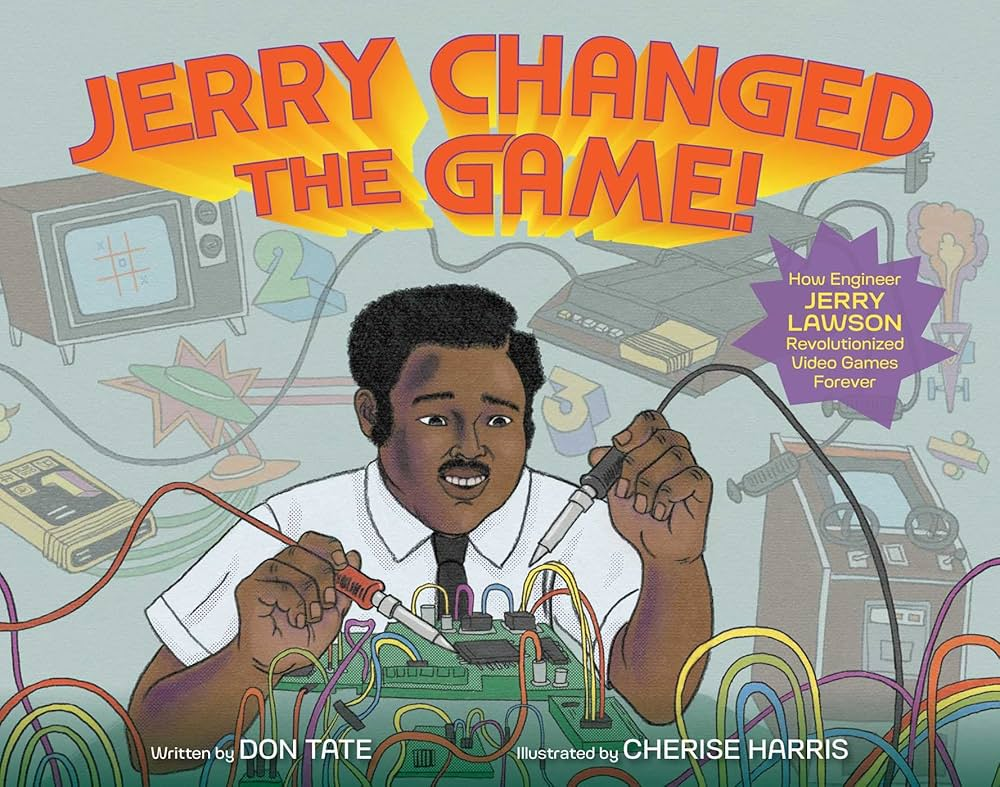
This meant:
The console became a reusable platform. Consumers no longer needed to replace hardware to access new games.
Games could be manufactured, distributed, and sold independently of the console itself.
Developers could design entirely new experiences without redesigning the core hardware.
The separation of hardware and software was revolutionary. It created a sustainable business model that would define the future of gaming.
Technical Challenges and Breakthroughs
Creating a cartridge-based system in the 1970s required solving serious engineering challenges.
Electrical stability was a major concern. The console had to reliably read memory from a removable device without corrupting data or damaging components. Lawson and his team developed a secure cartridge slot interface that allowed clean electrical contact and consistent data transmission.
Memory constraints were another hurdle. ROM chips were expensive and limited in storage capacity. Efficient programming and hardware optimization were critical.
Additionally, durability mattered. Cartridges needed to withstand repeated insertion and removal without degrading performance. Lawson’s engineering ensured the design was consumer-ready—not just technically possible.
Beating the Competition
The Channel F debuted in 1976, a year before the wildly successful Atari 2600 launched with its own cartridge system.
Although Atari would eventually dominate the market, Lawson’s work laid the groundwork. The cartridge concept proved viable, and Atari expanded on the model—leading to an explosion of third-party development and genre innovation.
Without Lawson’s breakthrough, the Atari 2600’s success might never have been possible.
Industry-Wide Impact
The cartridge model became the backbone of gaming for decades.
Consoles like the Nintendo Entertainment System, Sega Genesis, and Super Nintendo Entertainment System all relied on interchangeable cartridges.
This ecosystem enabled:
The rise of game franchises
Independent game studios
Licensed third-party publishing
Retail game distribution networks
A thriving resale market
More importantly, it turned gaming into a platform-based industry. Hardware generations could evolve while maintaining the core idea Lawson helped establish: software lives separately from the machine.
Beyond the Cartridge
Lawson also founded Video Soft, one of the earliest Black-owned video game development companies. Though the company was short-lived, it represented another milestone in diversifying the tech and gaming industries.
His technical brilliance and leadership positioned him as a pioneer in a field that was still defining itself.
Why Jerry Lawson’s Contribution Matters Today
Modern consoles no longer rely primarily on physical cartridges. Many games are downloaded digitally. Yet the foundational architecture—hardware platform plus interchangeable software—remains intact.
Even digital marketplaces operate on Lawson’s principle: one console, many games.
The idea that a gaming device should be expandable, updatable, and software-driven began with his work on the Channel F.
Without Jerry Lawson, gaming might have remained a novelty device market rather than evolving into a global entertainment powerhouse.
A Legacy Written in Code
Jerry Lawson did not just create a product feature—he reshaped an entire industry’s economic and technological model.
Every time a player swaps a cartridge, downloads a new title, or upgrades a console while keeping access to new software, they are benefiting from the architecture Lawson helped pioneer nearly 50 years ago.
He turned video games from single-purpose machines into expandable platforms—and in doing so, helped build the modern gaming world.
—Travis Luyindama, B1Daily




 B1Daily
Leave a comment