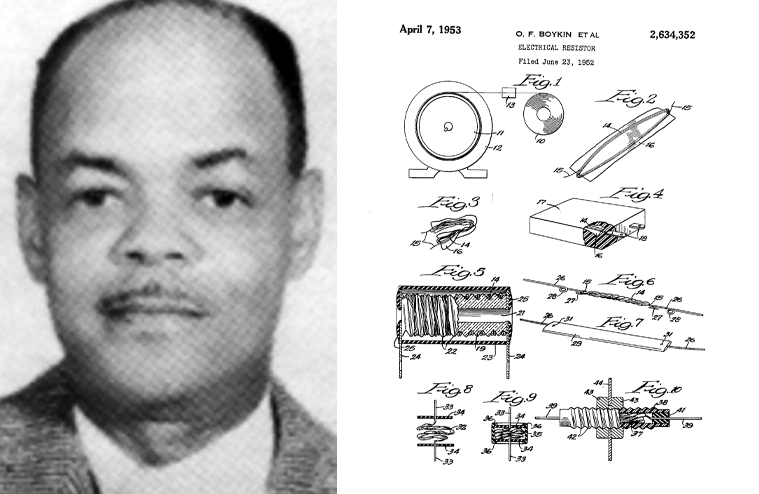
Innovation doesn’t always arrive with headlines. Sometimes it arrives quietly—wired into the heart of a machine that keeps a human heart beating. That was the legacy of Otis Boykin, an American inventor whose improvements to electrical resistors dramatically advanced modern electronics and helped transform the reliability of the pacemaker.
The Man Behind the Circuits
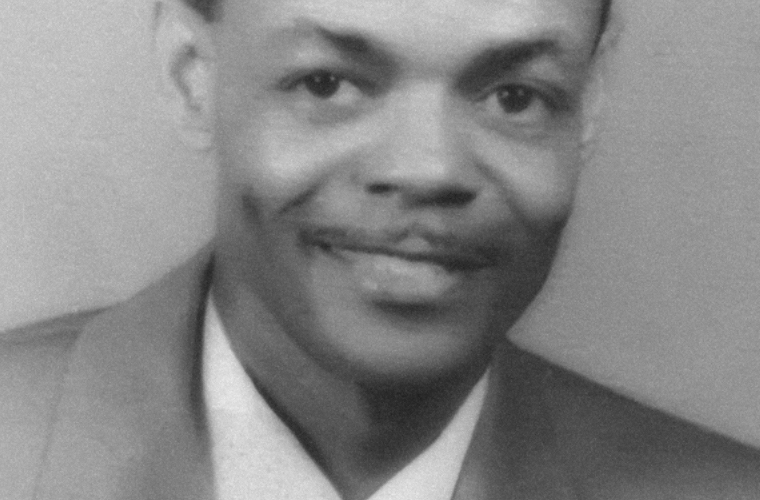
Born in 1920 in Texas, Boykin showed an early aptitude for science and engineering. Despite facing racial barriers that limited funding and professional opportunities, he persisted—earning patents and building a career defined by precision electronics. Over his lifetime, he secured more than two dozen patents, primarily centered on electrical control devices and resistor technology.
But it was his work on resistors that would quietly change the world.
Why Resistors Matter
A resistor controls the flow of electrical current in a device. In simple terms, it ensures that electricity flows at the correct intensity—preventing overload, regulating signals, and stabilizing performance. Without reliable resistors, electronic devices would be erratic, inefficient, or dangerous.
In the 1950s and 1960s, many resistors were inconsistent and expensive to produce. Boykin developed a wire precision resistor that was more durable and significantly more accurate than many existing models. His design was also more affordable to manufacture at scale, making advanced electronics more accessible. Importantly, his improved resistor could withstand fluctuations in temperature and physical shock, making it suitable for sensitive and mission-critical applications.
These improvements weren’t cosmetic—they were foundational. His resistor technology was adopted by major electronics manufacturers and used in both military and commercial systems.
Transforming the Pacemaker
One of the most life-saving applications of Boykin’s work was in the cardiac pacemaker.
A pacemaker is a medical device that sends electrical impulses to regulate abnormal heart rhythms. For it to function properly, it must deliver consistent, precisely timed electrical signals. Even slight inconsistencies could mean device failure—or worse, a life-threatening disruption in cardiac rhythm.
Boykin’s improved resistor design enhanced signal stability, ensuring that pacemakers could deliver reliable electrical pulses to the heart. His work also contributed to greater energy efficiency, helping extend battery life—an essential factor for implanted medical devices. The improved reliability of electrical components supported the continued miniaturization of pacemakers, allowing them to become smaller and more practical for implantation. Just as importantly, the durability of his resistors reduced the risk of malfunction inside the human body, where repairs are far more complex than in external electronics.
Before advancements like Boykin’s, pacemakers were bulkier and less dependable. His contributions helped make them safer, longer-lasting, and more viable for widespread medical use. Millions of patients worldwide who rely on pacemakers today benefit—directly or indirectly—from the precision control his resistor technology made possible.
Beyond Medicine
Boykin’s resistor innovations were also integrated into early computers, radios, televisions, guided missile systems, and other consumer electronics. Reliable current control is foundational to nearly every electronic device, and his refinements improved stability across multiple industries.
A Legacy of Impact
Otis Boykin did not invent the pacemaker itself, but he improved one of its most critical components. That distinction matters. Innovation is often cumulative. Progress depends on people who refine, strengthen, and perfect existing systems.
In the realm of life-saving medical technology, reliability is everything. By making electrical flow more controlled and dependable, Boykin helped stabilize not just circuits—but human hearts around the world.
His legacy is not just technical—it is profoundly human. Every steady heartbeat supported by modern pacemaker technology reflects the precision, perseverance, and brilliance of Otis Boykin.




 B1Daily
Leave a comment