
—Travis Luyindama, B1Daily
Muriel Tramis: A Trailblazer Who Made History in Gaming
In the global history of video games, few figures stand as boldly and distinctively as Muriel Tramis. As one of the first Black women to work as a video game designer, Tramis carved out a space in an industry that was overwhelmingly male and rarely inclusive. Her work did more than entertain—it expanded what games could talk about, who they could represent, and whose stories they could tell.
Through her contributions to titles such as Méwilo and Freedom: Rebels in the Darkness (often associated with the character Colt), Tramis helped redefine narrative ambition in early computer gaming.
Breaking Ground in 1980s Gaming
Muriel Tramis began her career at the French software company Coktel Vision in the 1980s. At the time, gaming was still in its infancy. Most titles focused on arcade-style mechanics—shooting, jumping, racing—rarely engaging with deeper historical or political themes.

Tramis had a different vision.
Rather than design games purely around reflexes and points, she infused them with story, identity, and history. Her work often explored themes rooted in Caribbean heritage, colonialism, and resistance—subjects almost unheard of in mainstream video games at the time.
Méwilo: History as Interactive Narrative
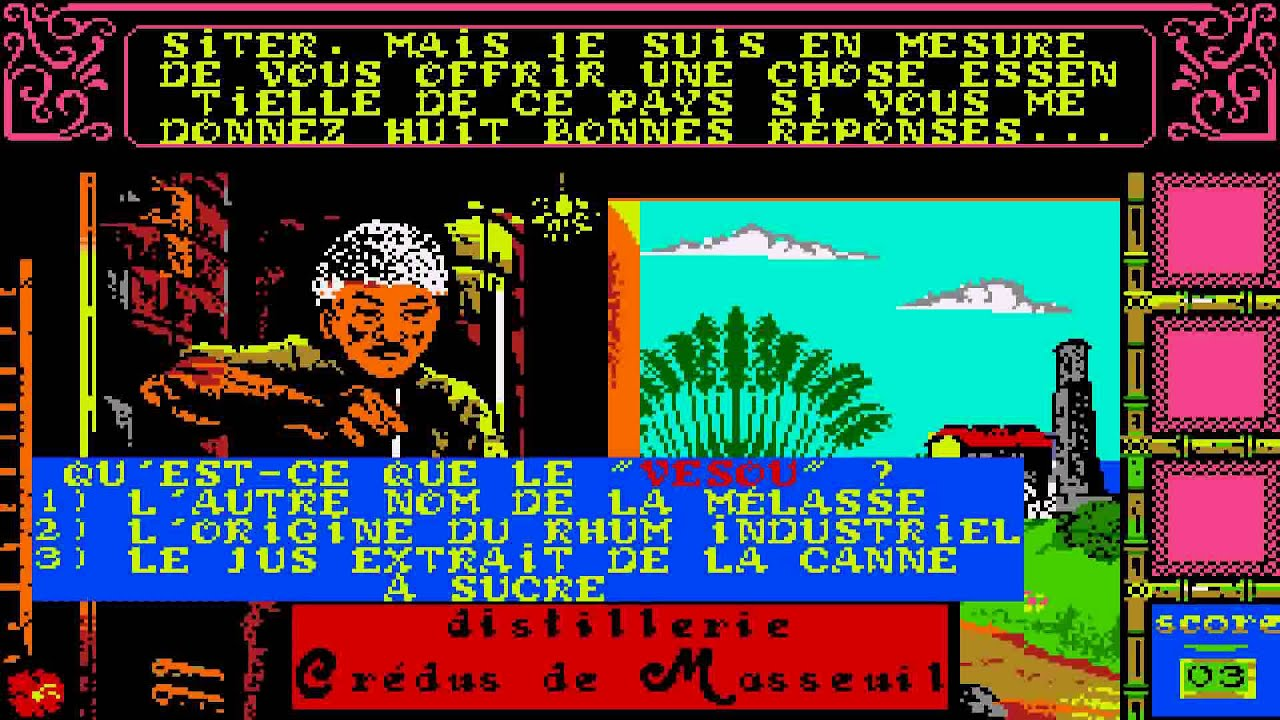
One of her most significant works was Méwilo, released in 1987. Set in 19th-century Martinique, the game placed players in the role of a journalist investigating political corruption and mysterious disappearances.
But Méwilo was more than a mystery adventure.
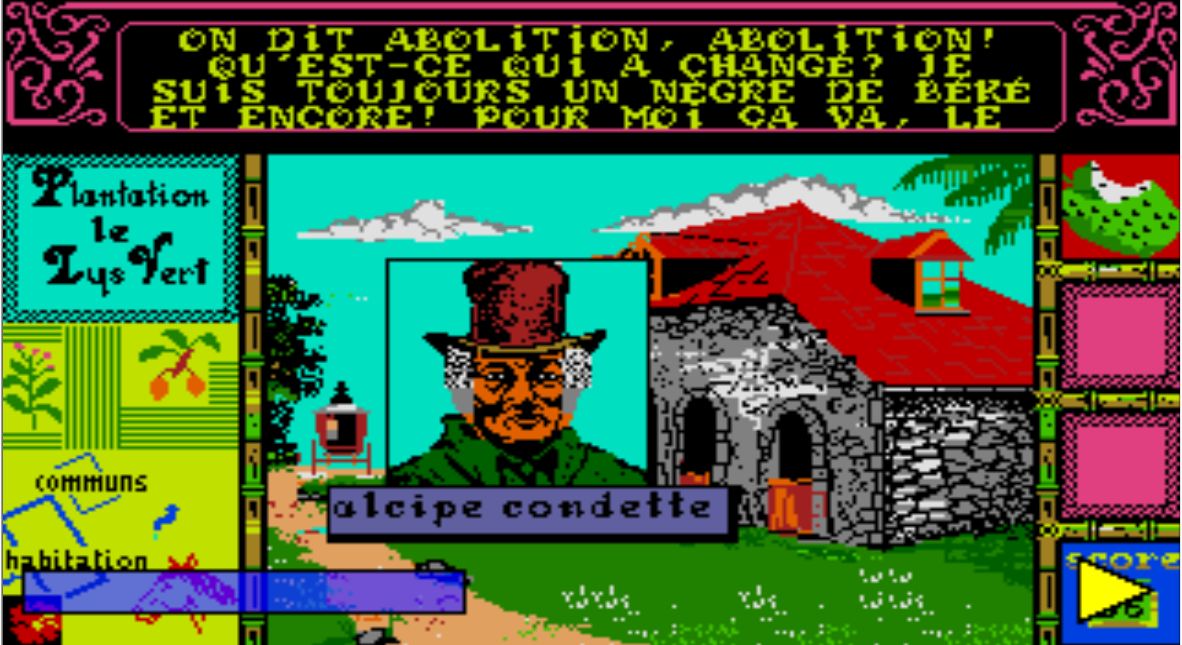
It wove together folklore, colonial history, and supernatural elements from Caribbean culture. Tramis used the interactive format to immerse players in a setting shaped by slavery’s legacy and cultural resilience. Rather than presenting colonial history as background scenery, she made it central to the narrative.
In doing so, she demonstrated that video games could function as cultural storytelling platforms—not just entertainment devices.
Freedom and the Character of Colt: Confronting Slavery Directly
Another landmark in Tramis’s career was Freedom: Rebels in the Darkness, sometimes associated with the protagonist Colt. This game directly addressed the brutal realities of slavery in the Caribbean.
Players assumed the role of an enslaved man seeking freedom and resisting oppression. The narrative forced players to confront systems of violence and injustice, a bold move in an era when most games avoided serious social commentary.
By bringing slavery into the interactive space, Tramis broke an unspoken boundary in gaming. She proved that games could handle difficult, historically grounded themes without sacrificing engagement or creativity.
Changing the Medium Itself
Muriel Tramis’s significance lies not just in the games she made, but in the doors she opened.
She helped establish that:
Video games could explore identity and cultural memory.
Black history and Caribbean narratives belonged in interactive media.
Women—especially Black women—could lead in technical and creative roles.
Her work challenged the industry’s early limitations and expanded the definition of what a game could be. Long before “serious games” or narrative-driven indie titles became popular, Tramis was already experimenting with interactive storytelling rooted in lived history.
A Historic Recognition
In recognition of her contributions, Muriel Tramis was later honored as a Knight of the Legion of Honour in France—one of the country’s highest distinctions. This acknowledgment underscored her cultural and technological impact.
Her career stands as a powerful chapter in both gaming history and Black history. At a time when representation was scarce, she was not merely present—she was leading.
A Lasting Legacy
Today’s narrative-driven games—those that explore race, gender, colonialism, and social justice—owe something to pioneers like Muriel Tramis. The idea that a video game can be a vehicle for historical reflection and political engagement did not emerge overnight. It was built by creators willing to take risks.
Muriel Tramis was one of those creators.
By merging culture, history, and technology, she did more than design games. She made history within the medium itself—reshaping what interactive storytelling could accomplish and ensuring that Black voices were part of the foundation of modern gaming.
—Travis Luyindama, B1Daily




 B1Daily
Leave a comment