—Gus Aylen, B1Daily
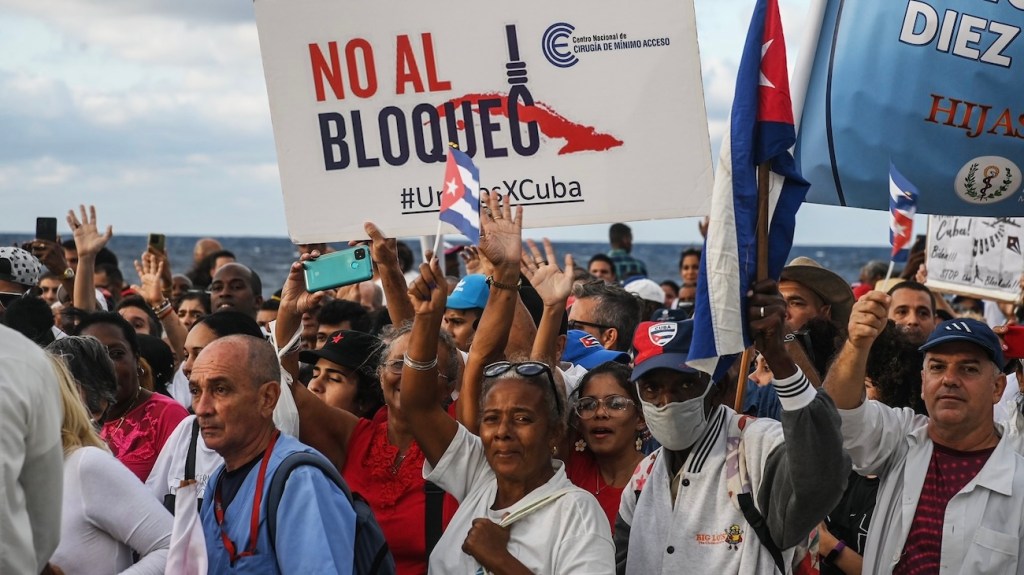
In early 2026, the United States dramatically escalated its decades-long economic pressure on Cuba by moving beyond traditional sanctions to effectively block oil shipments and other vital resources to the island nation. The policy, championed by President Donald Trump’s administration, has triggered a deepening energy crisis in Cuba, widespread hardship, and significant diplomatic fallout across the Americas and beyond.
A New Phase of Economic Pressure
At the heart of the escalation is a U.S. executive order signed in late January 2026 declaring Cuba an “unusual and extraordinary threat to the national security of the United States.” This order authorizes the U.S. to impose tariffs on any country that sends oil to Cuba, effectively cutting off Cuba’s access to its primary lifeline: imported petroleum.
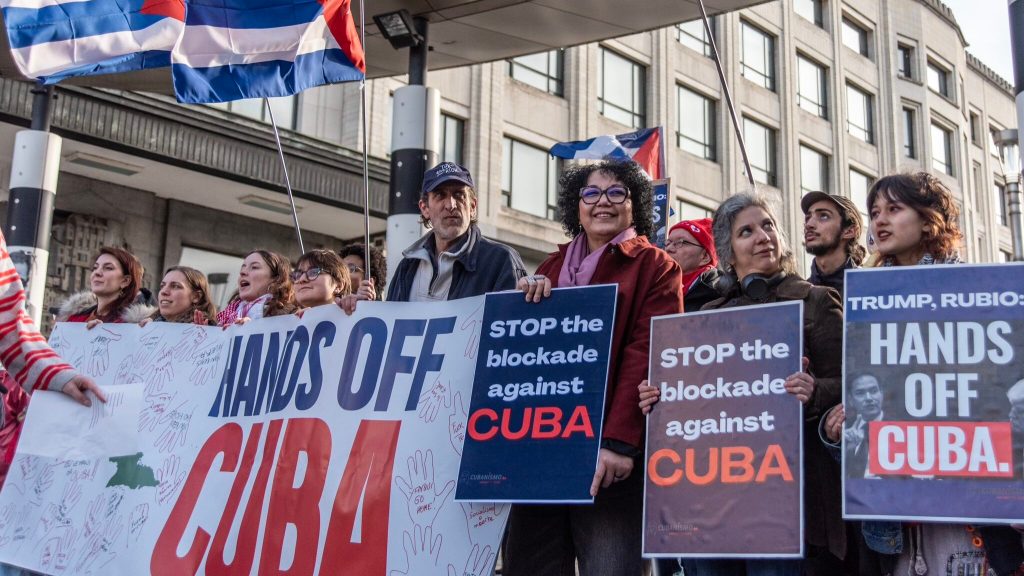
Under this framework, Venezuela, Cuba’s long-standing energy partner, has ceased oil deliveries following mounting U.S. sanctions and pressure. Mexico, previously a secondary supplier of fuel, also suspended exports after threats of punitive tariffs from Washington, even as it continued sending humanitarian assistance. The cumulative effect has been to sharply constrict Cuba’s energy imports, intensifying shortages across the country.
Cuba’s government has characterized these measures as an energy blockade designed to suffocate the island’s economy. Officials in Havana describe the actions as violations of international law and as coercive tactics aimed at destabilizing the country.
Humanitarian and Economic Impact
The consequences for Cuban society have been severe and immediate. Rolling blackouts have become commonplace as power plants struggle without adequate fuel supplies. Fuel rationing has disrupted transportation networks, slowing commerce and daily life. Hospitals, schools, and other essential services have come under increasing strain due to energy shortages. Airlines have canceled flights because jet fuel is scarce, further isolating the island from international travel and trade.
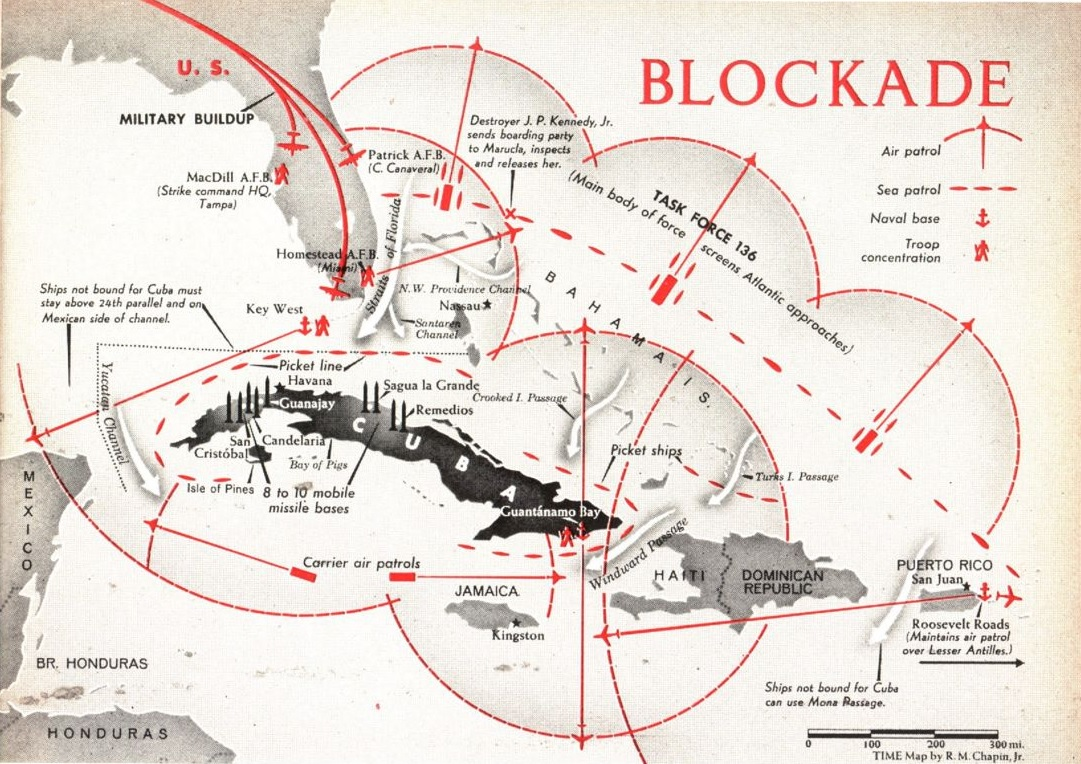
Cuban authorities report that sanctions have cost the economy billions of dollars in a single year, exacerbating inflation and limiting access to basic goods. Public sentiment is tense, with many Cubans comparing the current hardships to the “Special Period” of the 1990s, when the collapse of Soviet support plunged the country into profound economic crisis.
U.S. Narrative vs. Cuban Response
U.S. officials argue that the measures are designed to pressure the Cuban government toward political reform and to counter what Washington views as Havana’s alignment with geopolitical adversaries such as Russia, China, and Iran. From this perspective, economic leverage is seen as a necessary tool to influence political outcomes and weaken authoritarian governance.
In contrast, Cuban leaders frame U.S. policy as economic warfare intended to provoke social unrest and undermine national sovereignty. Havana has warned that any escalation resembling a naval blockade would constitute an act of aggression. The Cuban government maintains that the sanctions disproportionately harm civilians rather than political elites.
Geopolitical Repercussions: Pivot to U.S. Rivals
Rather than isolating Cuba, the blockade risks driving Havana deeper into the orbit of Washington’s strategic rivals. Russia has publicly condemned the U.S. measures and reaffirmed its political and economic ties with Cuba. While Russia’s capacity to provide large-scale energy relief is constrained by its own geopolitical pressures, symbolic and targeted assistance strengthens Moscow’s presence in the Western Hemisphere.
Mexico has attempted to balance its relationship with the United States while maintaining solidarity with Cuba. Although it curtailed fuel shipments to avoid U.S. tariffs, Mexican officials and segments of civil society have voiced opposition to punitive measures that intensify humanitarian hardship.
Across Latin America, many governments and political movements interpret the blockade as a continuation of longstanding U.S. interventionism in the region. These perceptions contribute to skepticism about U.S. leadership and encourage diplomatic engagement with alternative global powers.
Strategic Implications
The blockade’s humanitarian and economic impact has placed Cuba in a vulnerable position, but it may also produce counterproductive geopolitical outcomes. By intensifying economic pain without offering a clear diplomatic pathway, Washington risks reinforcing Cuba’s reliance on Russia and other U.S. rivals willing to provide political or material support. The policy could also erode U.S. credibility among countries that prioritize sovereignty and oppose unilateral sanctions.
Ultimately, the escalation represents more than a bilateral dispute between Washington and Havana. It is a strategic contest unfolding within a broader global realignment. While intended to pressure Cuba toward change, the policy may instead deepen alliances that challenge U.S. influence in its own hemisphere. As tensions persist, the long-term consequences of this approach remain uncertain but potentially far-reaching.
—Gus Aylen, B1Daily

 B1Daily
Leave a comment