—Kerry Hill, B1Daily
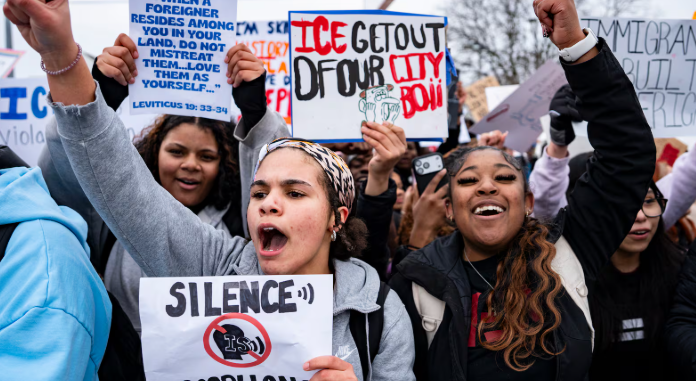
In recent days, student-led protests against Immigration and Customs Enforcement (ICE) have erupted across college campuses nationwide, rapidly going viral on social media and reigniting a fierce national debate over immigration enforcement.
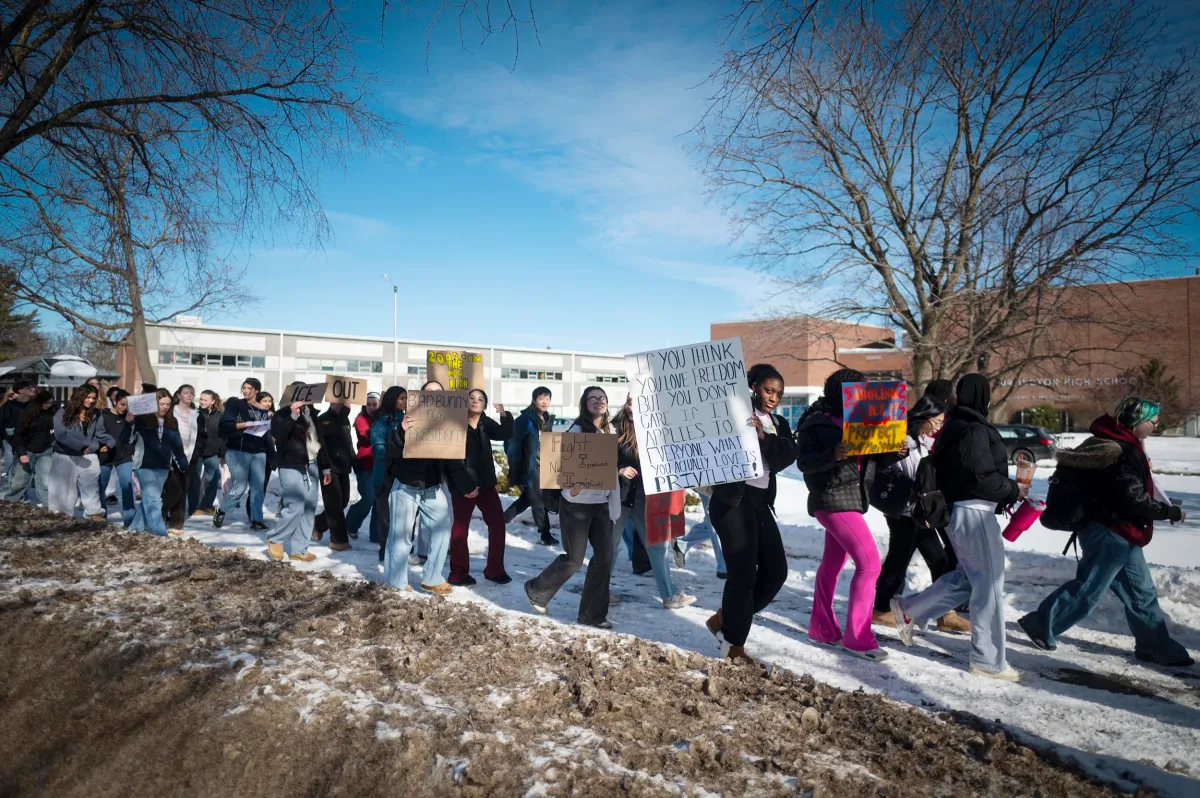
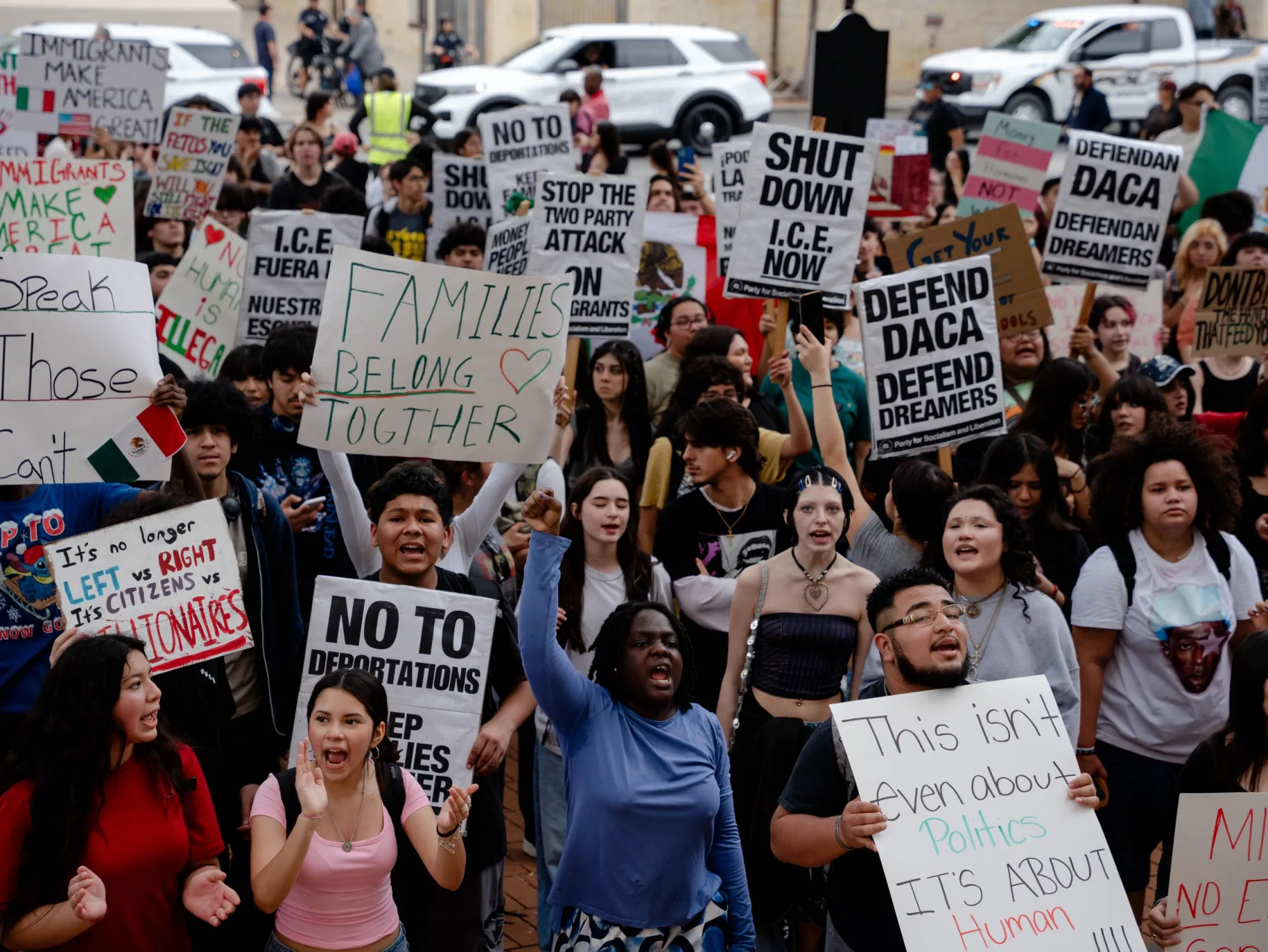
From large public universities to small private colleges, students have organized walkouts, sit-ins, and rallies demanding an end to ICE raids and greater protections for undocumented immigrants. Demonstrations have been reported in major cities including Los Angeles, Chicago, New York, and Austin, with images of packed quads and chanting crowds circulating widely on platforms like TikTok, Instagram, and X. Hashtags calling for the abolition of ICE and solidarity with immigrant communities have trended, drawing millions of views in a matter of hours.
Student organizers say the protests were sparked by a recent series of high-profile enforcement actions that allegedly impacted families with children and individuals without criminal records. Many demonstrators argue that federal immigration enforcement disproportionately harms vulnerable communities, separates families, and creates fear among students who are undocumented or come from mixed-status households. At several campuses, protesters have called on university administrations to declare themselves sanctuary campuses, refuse cooperation with federal immigration authorities, and provide expanded legal resources for immigrant students.
The protests have largely been peaceful, with students carrying signs reading “Education Not Deportation” and “Protect Our Classmates.” In some locations, however, tensions rose as counter-protesters appeared or law enforcement monitored the gatherings. University officials have generally emphasized their commitment to student safety and free speech while navigating pressure from both activists and critics.
Supporters of the movement argue that young people are stepping into a long tradition of campus activism, using social media to amplify their message and demand policy changes. They view the viral nature of the protests as evidence that immigration enforcement remains a deeply emotional and politically charged issue, particularly among Gen Z voters.
Critics, meanwhile, contend that ICE plays a necessary role in enforcing federal law and maintaining border security. They argue that calls to abolish or defund the agency oversimplify a complex policy issue and risk undermining public safety. Some have also questioned whether universities should involve themselves in federal immigration matters at all.
As the protests continue to spread, they reflect broader generational divides over immigration policy and the role of federal enforcement agencies. Whether the demonstrations will translate into legislative change remains uncertain, but one thing is clear: student activism around immigration has once again moved to the center of the national conversation.
—Kerry Hill, B1Daily



 B1Daily
Leave a comment