—Sylvester Loving, B1 Daily
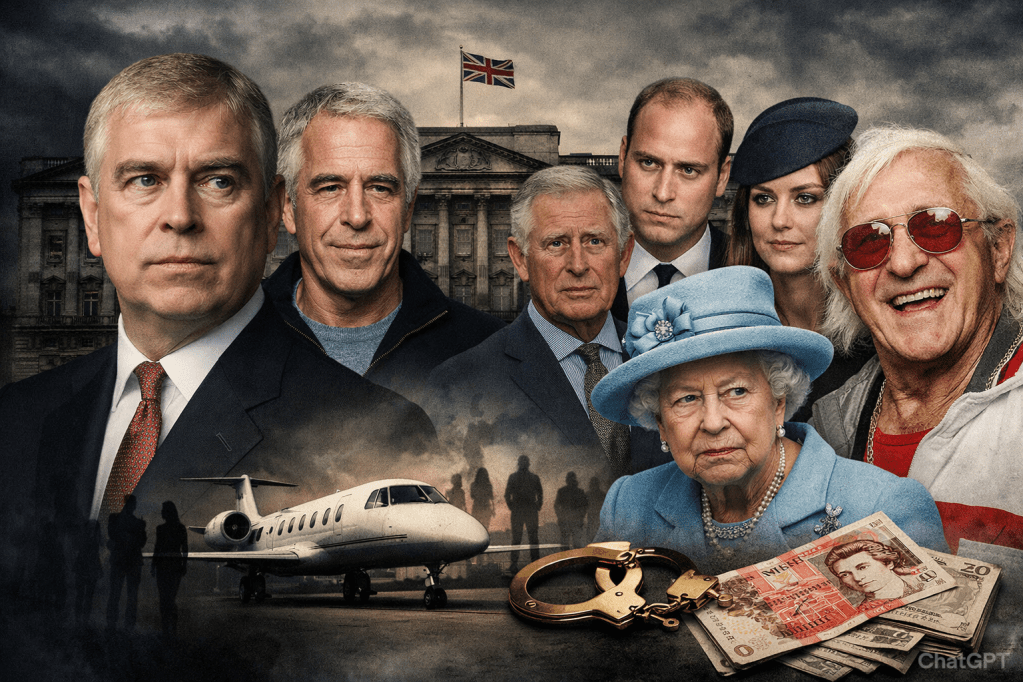
In recent years, intense public scrutiny has surrounded connections between members of the UK Royal Family and two disgraced figures: Jeffrey Epstein and Jimmy Savile. While headlines often use dramatic language, the documented facts paint a more complex — and in some areas deeply troubling — picture.
The Epstein Connection
Jeffrey Epstein, the American financier later convicted of sex crimes, cultivated relationships with powerful individuals around the world. One of the most scrutinized connections involved Prince Andrew, Duke of York.
Prince Andrew acknowledged his association with Epstein, stating that he met him in the late 1990s through mutual contacts. After Epstein’s 2008 conviction in Florida, Andrew continued contact for a period — a decision he later described as a mistake. Public backlash intensified following a 2019 BBC interview in which Andrew attempted to explain the relationship. The interview was widely criticized and led to his stepping back from official royal duties.
In 2022, Andrew reached a financial settlement in a U.S. civil lawsuit filed by Virginia Giuffre, who alleged sexual abuse connected to Epstein. Andrew denied the allegations but settled the case without admitting liability. Following the fallout, he was stripped of military titles and royal patronages.
There is no verified evidence that other senior members of the Royal Family were directly involved in Epstein’s criminal activity. However, the optics of the association significantly damaged public trust.
The Jimmy Savile Scandal
Jimmy Savile was once one of Britain’s most famous television personalities, known for hosting programs such as “Top of the Pops” and “Jim’ll Fix It.” After his death in 2011, investigations revealed he had been one of the UK’s most prolific sexual predators, abusing hundreds of victims over decades.
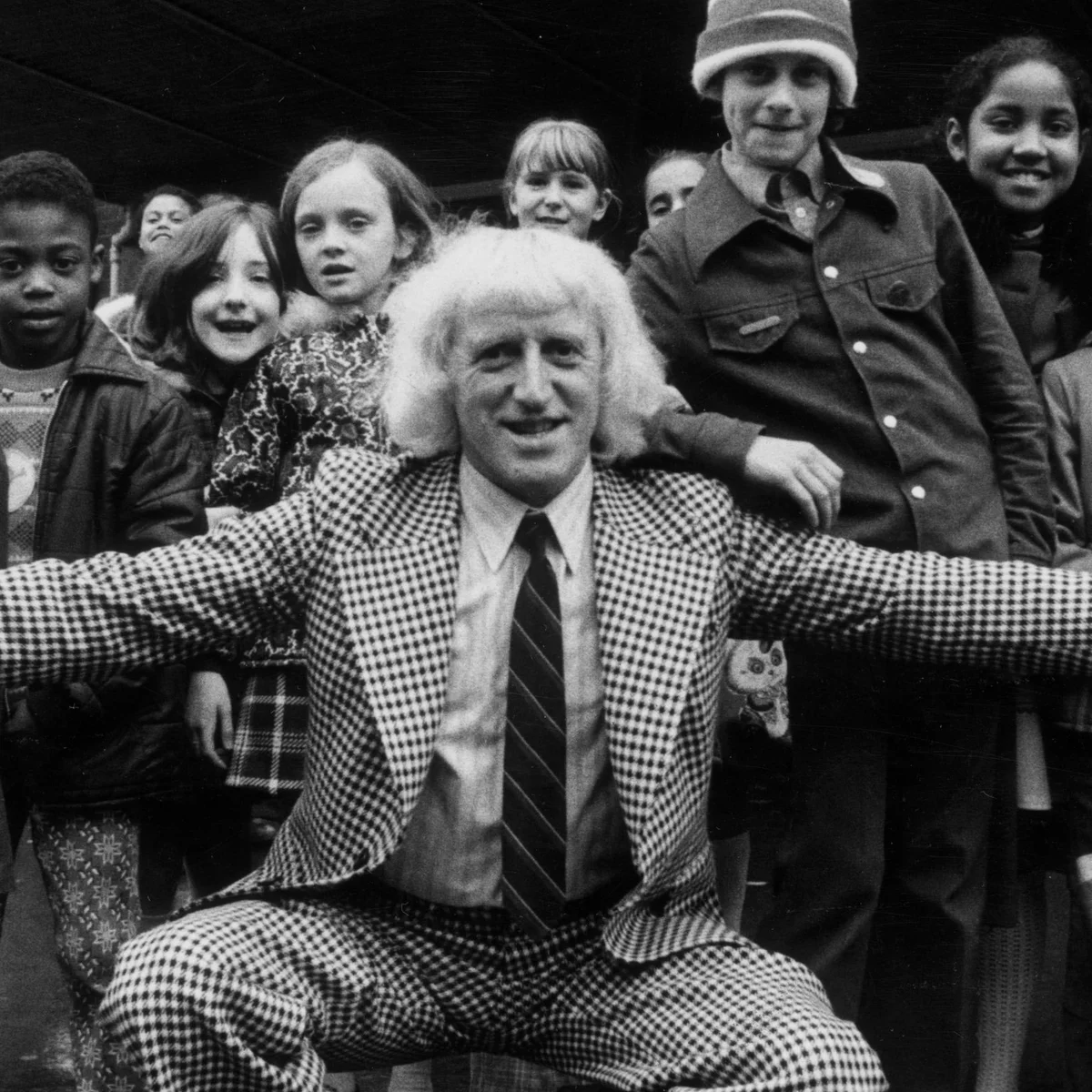
Savile had connections across British institutions — including hospitals, charities, and prominent public figures. He was photographed with members of the Royal Family, including then-Prince Charles. Reports indicate that Savile offered advice to Charles on public relations matters in the 1980s and 1990s.
Importantly, no evidence has emerged showing that the Royal Family knew of Savile’s crimes at the time of their interactions. Like many institutions, the monarchy faced criticism for proximity to Savile without awareness of his misconduct.
Public Perception vs. Documented Evidence
Statements suggesting that the Royal Family “loved” Epstein or Savile reflect public anger rather than proven institutional endorsement of criminal behavior. What is documented are associations — some ill-judged, some reputationally damaging — but not evidence of widespread knowledge or participation in abuse.
The Epstein and Savile scandals exposed how powerful individuals can operate within elite social circles for years without accountability. They also reinforced a broader public demand for transparency from institutions traditionally shielded from scrutiny.
The Broader Lesson
These controversies illustrate how proximity to wealth and celebrity can obscure warning signs. For the Royal Family, the damage has been largely reputational, particularly in the case of Prince Andrew. For the public, the cases serve as reminders that status does not equal integrity — and that accountability must apply universally.
While outrage continues in certain media spaces, responsible analysis requires separating verified facts from inflammatory language. The documented issue is association and poor judgment — not confirmed institutional endorsement of criminal conduct.
—Sylvester Loving, B1 Daily



 B1Daily
Leave a comment