—Kerry Hill, B1Daily
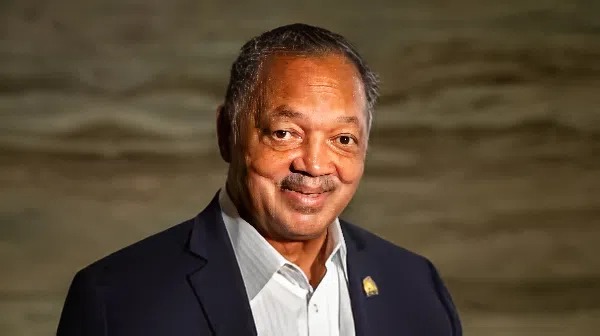
Reverend Jesse Jackson, one of the most prominent and enduring figures of the modern civil rights era, has passed away, marking the end of a decades-long chapter in American political and social activism. A protégé of Martin Luther King Jr., Jackson rose from the movement politics of the 1960s to become a national power broker, presidential candidate, and global advocate for human rights.
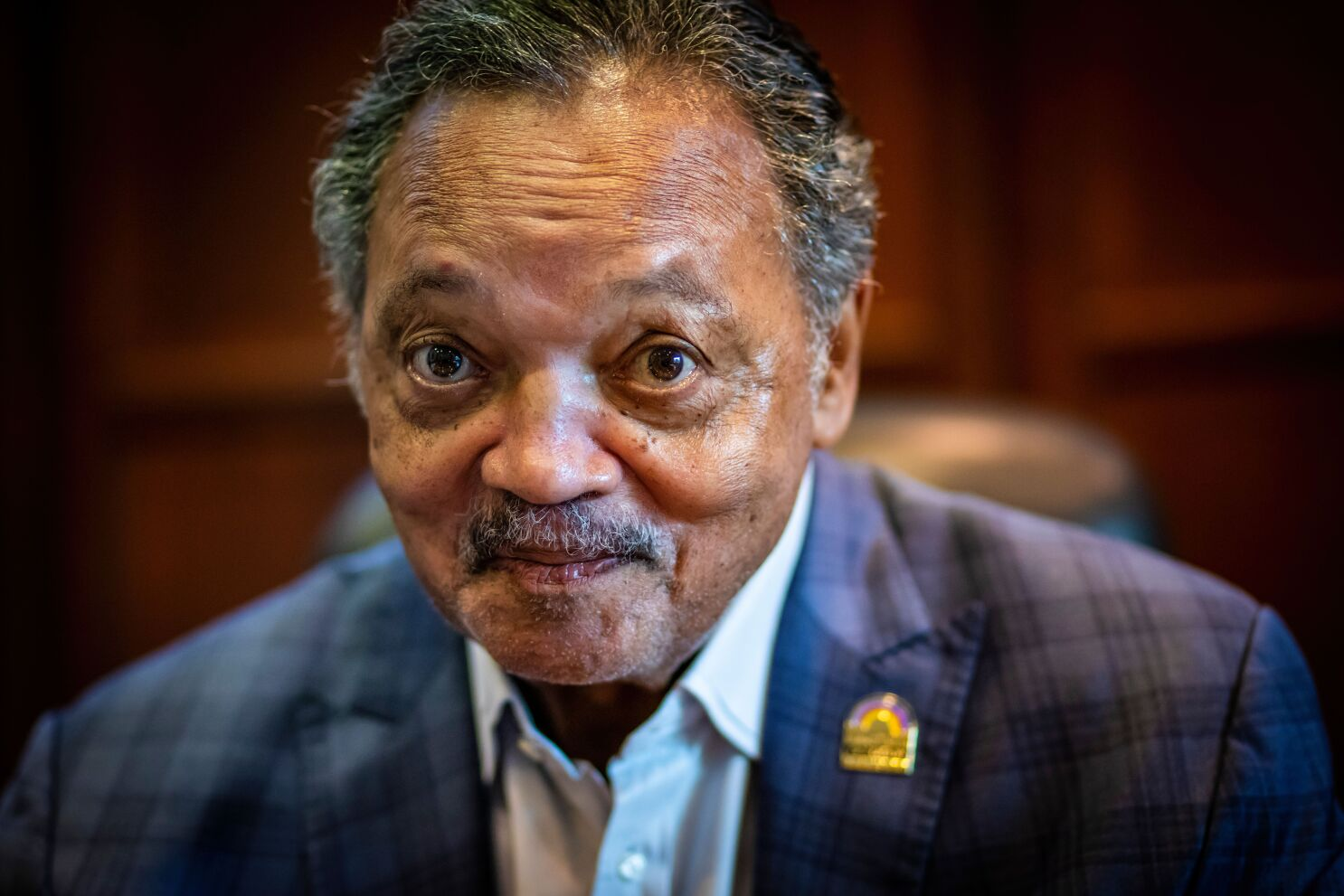
Born in Greenville, South Carolina, Jackson emerged as a key organizer within the Southern Christian Leadership Conference during the height of the civil rights struggle. After King’s assassination in 1968, Jackson founded Operation PUSH, later merging it into the Rainbow/PUSH Coalition — an organization aimed at advancing economic opportunity, voter engagement, and corporate accountability for marginalized communities.
Jackson made history with his presidential campaigns in 1984 and 1988. In 1988, he won several state primaries and caucuses, assembling what he called a “Rainbow Coalition” of Black voters, working-class Americans, Latinos, progressives, and young people. Though he did not secure the Democratic nomination, his campaigns reshaped the party’s coalition politics and paved the way for future diverse candidates at the national level.
Throughout the 1990s and 2000s, Jackson remained a fixture in American public life — mediating international disputes, advocating for sanctions against apartheid South Africa, negotiating hostage releases, and speaking out against economic inequality and racial injustice. His activism spanned voting rights, education access, labor rights, and police accountability.
In later years, Jackson faced health challenges, including a Parkinson’s diagnosis that limited his public appearances. Even so, his symbolic presence remained powerful. For supporters, he represented an unbroken line from the civil rights movement to contemporary social justice struggles. For critics, he was sometimes viewed as polarizing, but few denied his influence.
Jackson’s passing closes the life of a figure who helped transform protest into political leverage. His ability to translate street activism into electoral strategy reshaped how marginalized communities engaged with national power structures.
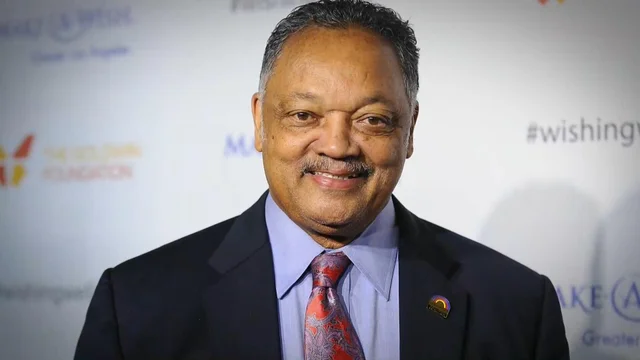
He leaves behind a complicated but undeniable legacy: a minister turned movement strategist who expanded the possibilities of Black political participation in America. In the arc of U.S. history, Jesse Jackson stands as a bridge between eras — from the marches of the 1960s to the coalition politics that define the 21st century.
His voice may have transitioned away from us, but the political infrastructure he helped build continues to shape American democracy.
—Kerry Hill, B1Daily



 B1Daily
Leave a comment