—David Wilson, B1Daily
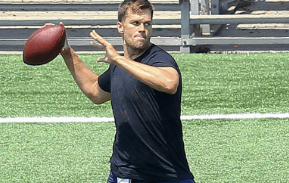
For many fans, Tom Brady is one of the greatest quarterbacks of all time. Seven Super Bowl titles, five Super Bowl MVPs, three league MVP awards, and a career that spanned more than two decades — on paper, the résumé appears untouchable.
But for others, the “GOAT” label is not founded thanks to Brady’s cheating scandals.
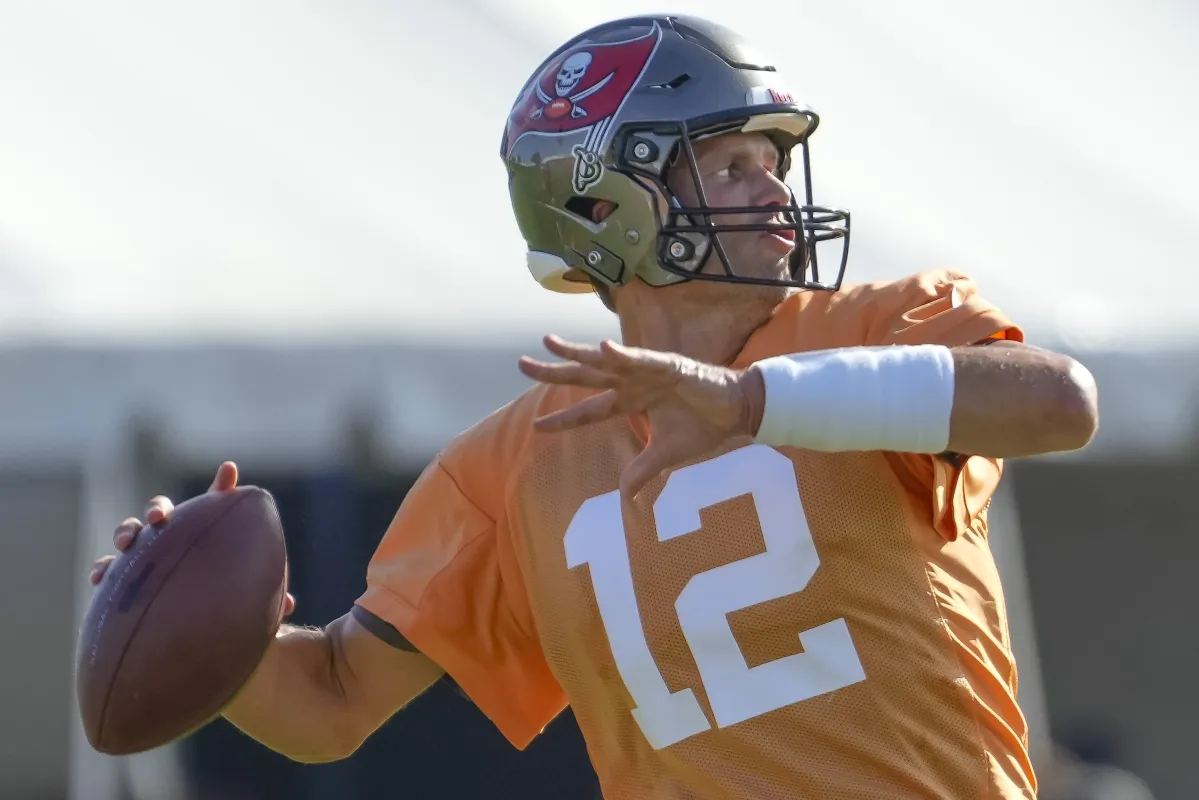
Brady’s career has not been free of controversy. The most prominent was “Deflategate,” a 2015 scandal involving allegations that footballs used by the New England Patriots were underinflated during the AFC Championship Game. The NFL suspended Brady four games after a lengthy legal battle. Earlier in his Patriots tenure, the franchise was also penalized in the “Spygate” scandal for improper videotaping of opponents’ signals — though Brady was not personally disciplined in that case.
Supporters argue that no dynasty in modern sports is free from controversy, and that Brady’s individual performance — particularly his longevity and playoff dominance — stands independent of organizational missteps. Critics counter that sustained competitive advantages, even marginal ones, complicate claims of unblemished greatness.
The debate becomes sharper when comparing Brady to quarterbacks who played with less consistently dominant rosters.
Take Dan Marino. Marino threw for over 5,000 yards in a season in 1984 — a feat that was decades ahead of its time. Despite record-breaking production, he never won a Super Bowl, often playing on Miami teams that lacked elite defenses or balanced support.
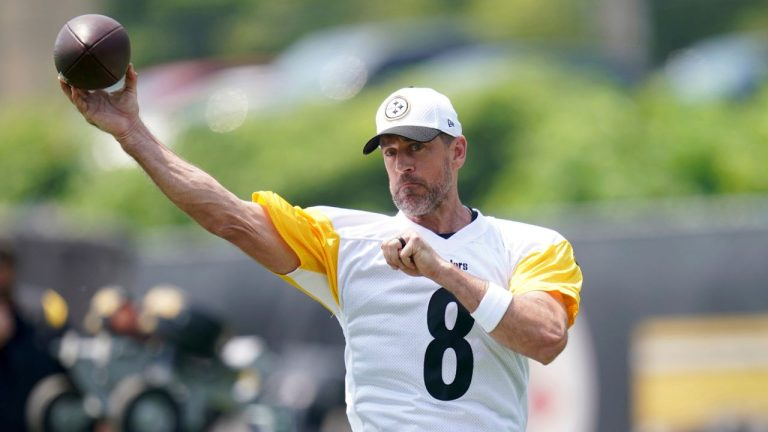
Then there’s Aaron Rodgers, whose arm talent and efficiency metrics routinely rank among the best in league history. Rodgers won multiple MVP awards and carried Green Bay offenses with surgical precision, but postseason team shortcomings often limited his championship count.
Brady, by contrast, benefited from long-term organizational stability under head coach Bill Belichick and later joined a Tampa Bay roster stacked with Pro Bowl talent when he won his seventh title. To critics, context matters. Championships are team accomplishments, and quarterback greatness cannot be measured by rings alone.
The GOAT conversation ultimately hinges on criteria. If the standard is championships and sustained team success, Brady’s case is overwhelming. If the standard includes individual talent divorced from system advantages — and considers controversies that cast shadows over competitive integrity — then names like Marino and Rodgers re-enter the conversation with force.
Greatness in sports is rarely unanimous. It is debated across eras, philosophies, and fan loyalties. Tom Brady’s legacy is secure as one of the greatest quarterbacks ever. Whether he is the greatest may forever depend on how much weight one gives to rings, roster strength, and the lingering memory of scandal.
In the end, the GOAT debate says as much about how we define greatness as it does about the players themselves.
—David Wilson, B1Daily




 B1Daily
Leave a comment