—Sylvester Loving, B1Daily
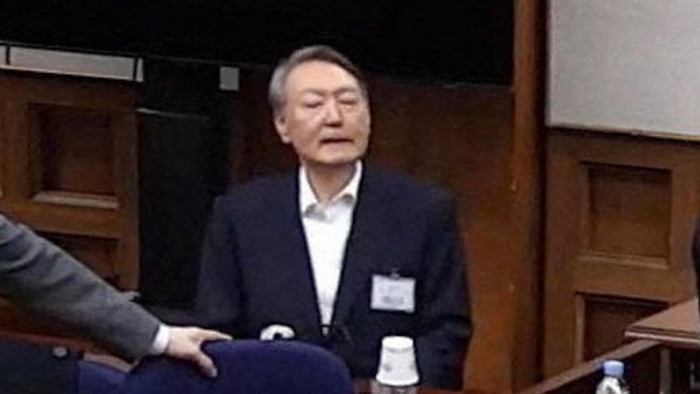
In a dramatic turn that has shaken the foundations of South Korean politics, former president Yoon Suk-yeol has been sentenced to life imprisonment on charges related to insurrection — a ruling that marks one of the most severe judicial reckonings for a democratically elected leader in the nation’s modern history.
The court found that Yoon’s actions while in office constituted a grave threat to constitutional order. Prosecutors argued that his conduct went beyond political overreach and entered the realm of destabilizing democratic governance, framing the case as a defense of the republic itself.
The Charges
Under South Korean law, insurrection is among the most serious crimes a public official can face, especially when it involves alleged attempts to undermine constitutional processes or unlawfully concentrate executive power. The prosecution presented evidence it claimed demonstrated deliberate efforts to obstruct democratic mechanisms and mobilize state authority in ways that violated constitutional safeguards.
Defense attorneys countered that the charges were politically motivated and that Yoon’s actions fell within the bounds of executive authority during a period of intense national polarization. They argued that disagreements over policy and governance were being criminalized.
A Pattern of Presidential Prosecutions
South Korea has a long and complex history of holding former presidents accountable through the courts. Previous leaders have faced corruption, abuse-of-power, and bribery charges after leaving office. However, a life sentence tied to insurrection elevates this case into unprecedented territory in the democratic era.
The ruling reinforces the strength — and the volatility — of South Korea’s institutional checks and balances. While critics warn that prosecuting former leaders can deepen political divisions, supporters argue it demonstrates that no one is above the law.
Political and Social Impact
The sentence is likely to intensify ideological divisions across the country. Supporters view the conviction as a necessary defense of constitutional democracy. Opponents see it as an escalation in partisan legal warfare.
Markets and international observers are closely watching the aftermath. South Korea is a major global economy and strategic U.S. ally, and political instability could have ripple effects across trade, security, and diplomatic relationships in East Asia.
What Comes Next
Legal appeals are expected, and the political consequences will likely unfold for years. Whether this moment ultimately strengthens democratic norms or deepens polarization will depend on how institutions, political leaders, and citizens respond.
What is clear is that the sentencing of a former president to life imprisonment for insurrection represents a defining chapter in South Korea’s democratic evolution — one that underscores both the fragility and resilience of constitutional governance.
—Sylvester Loving, B1Daily


 B1Daily
Leave a comment