—–Jermichael Evers, B1Daily
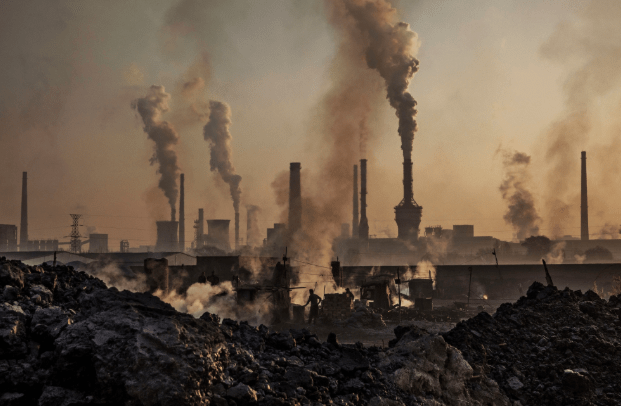
For more than a century, the coal industry has poisoned rivers, choked communities, scarred landscapes, and accelerated the climate crisis. The truth is stark: coal has not just fueled the United States — it has damaged its ecosystem in ways that will take generations to repair.
From the mountaintops of Appalachia to the river basins of the Midwest, coal extraction and combustion have left behind a trail of toxic consequences. And while the industry often speaks the language of jobs and energy security, frontline communities speak the language of contaminated water, respiratory illness, and environmental sacrifice zones.
The Destruction Starts at the Mine
In Appalachia, mountaintop removal mining has literally blown the tops off mountains to expose coal seams. Forests are clear-cut. Explosives fracture ancient rock formations. What remains is often dumped into nearby valleys, burying streams under rubble. These aren’t abstract environmental harms — they are destroyed watersheds, erased biodiversity, and communities living downstream from toxic runoff.
Heavy metals like arsenic, selenium, and mercury leach into waterways. Scientific studies have linked proximity to mountaintop mining with higher rates of birth defects, cardiovascular disease, and certain cancers. Entire ecosystems — once dense, biodiverse hardwood forests — are reduced to flattened plateaus.
The coal industry calls it “reclamation.” But you cannot reassemble a mountain.
Coal Ash: America’s Toxic Legacy
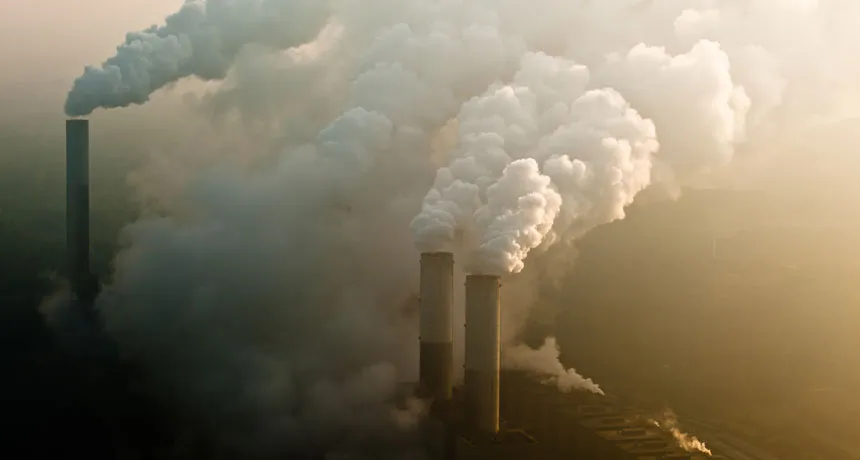
Burning coal doesn’t end the damage — it compounds it. Coal-fired power plants produce coal ash, a toxic waste containing arsenic, lead, mercury, and cadmium. Across the United States, millions of tons of this ash are stored in ponds and landfills, many of them unlined.
When these containment sites leak — and they do — toxins seep into groundwater and nearby rivers. The 2008 coal ash spill in Tennessee released more than a billion gallons of toxic sludge into the surrounding environment, becoming one of the largest industrial spills in U.S. history.
Communities living near coal ash sites often face elevated health risks. Yet cleanup is slow, and regulatory enforcement has historically lagged behind the scale of the threat.
Air Pollution and Public Health
Coal plants are among the largest sources of sulfur dioxide and nitrogen oxides, pollutants that contribute to smog and acid rain. They also emit fine particulate matter that penetrates deep into the lungs.
The health toll is measurable. Respiratory illnesses, asthma attacks, heart disease, and premature deaths have been linked to coal pollution. Children and elderly residents are particularly vulnerable.
And let’s be clear: these health burdens do not fall evenly. Low-income communities and communities of color are disproportionately located near coal plants and waste sites — a textbook case of environmental injustice.
Climate Crisis Accelerator
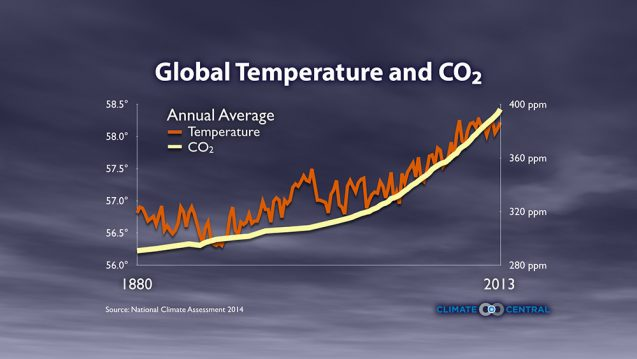
Coal is the most carbon-intensive fossil fuel. When burned, it releases more carbon dioxide per unit of energy than oil or natural gas. For decades, coal-fired power plants were the backbone of U.S. electricity generation — and a major contributor to global greenhouse gas emissions.
The result is a destabilizing climate: stronger storms, prolonged droughts, record-breaking heatwaves, and intensifying wildfires. Coastal cities face rising seas. Farmers face unpredictable growing seasons. Ecosystems already strained by pollution are now forced to adapt to rapid temperature shifts.
Climate change is not a distant threat. It is happening now. And coal has been one of its chief accelerants.
The Myth of Clean Coal
The industry has promoted “clean coal” technologies as a solution — carbon capture, scrubbers, improved efficiency. While certain technologies reduce specific pollutants, they do not eliminate the environmental footprint of mining, waste disposal, or long-term carbon emissions at scale.
Moreover, these technologies often extend the lifespan of aging infrastructure rather than investing in renewable alternatives that produce no combustion emissions at all.
Solar, wind, and battery storage costs have fallen dramatically over the past decade. Yet subsidies and political influence have historically shielded coal from the full economic consequences of its environmental harm.
A Just Transition Is Possible
Critiquing coal is not an attack on coal workers. Communities dependent on coal deserve investment, retraining, and economic diversification. The same system that extracted wealth from their land also left many of them economically vulnerable when markets shifted.
A just transition means replacing coal jobs with renewable energy jobs, infrastructure projects, and environmental restoration efforts. It means cleaning up abandoned mines and coal ash sites. It means ensuring that communities that bore the cost of pollution share in the benefits of clean energy investment.
The Moral Imperative
Coal built part of America’s past. But it cannot be part of its sustainable future.
We are at a crossroads. Continuing to subsidize and prolong coal infrastructure means accepting ongoing ecosystem damage and accelerating climate instability. Phasing it out responsibly means protecting public health, restoring damaged landscapes, and preventing further climate harm.
The coal industry may frame itself as a cornerstone of American resilience. But resilience does not come from clinging to a toxic legacy. It comes from recognizing when it is time to change.
And for coal, that time has long passed. B1!
—–Jermichael Evers, B1Daily



 B1Daily
Leave a comment