—Travis Luyindama, B1Daily
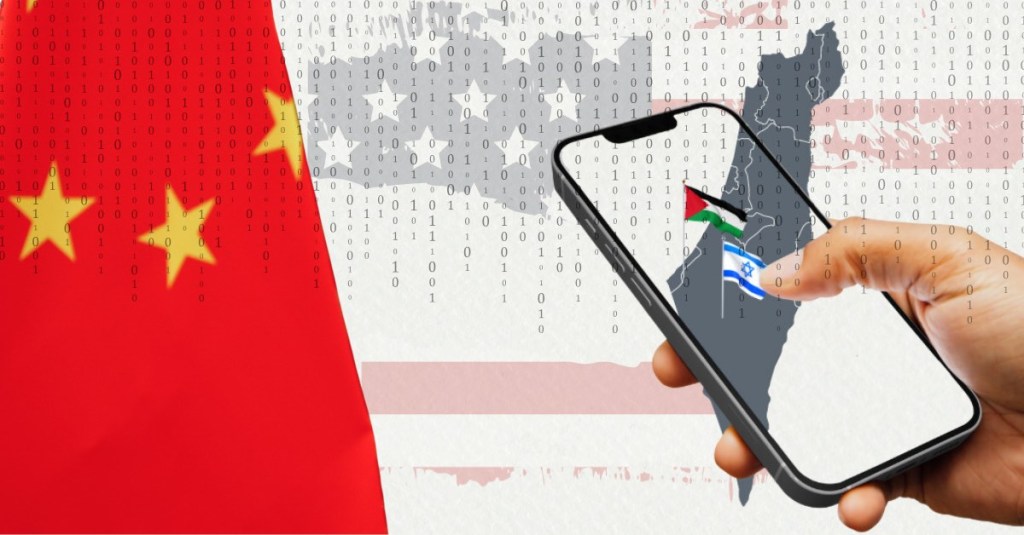
In the evolving landscape of information warfare, few operations have been as persistent — and as adaptive — as Spamouflage. Known by researchers as a sprawling, state-linked online influence campaign, Spamouflage has spent years attempting to shape global narratives, discredit critics, and amplify political messaging across multiple social media platforms.
What Is Spamouflage?
Spamouflage is the name given by cybersecurity researchers to a large-scale online propaganda network believed to be linked to actors aligned with the government of China. The operation has been active since at least 2017 and has targeted audiences in North America, Europe, Asia, and Australia.
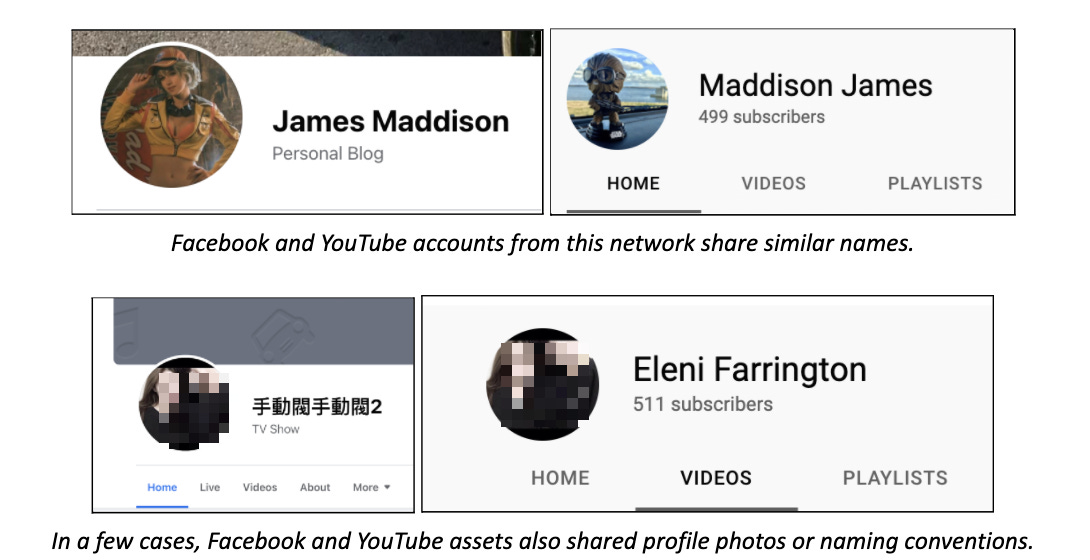
The name “Spamouflage” combines “spam” and “camouflage,” reflecting how the network blends high volumes of low-quality or repetitive content with coordinated messaging designed to look organic.
Platforms and Tactics
Spamouflage has operated across a wide range of platforms, including:
- Twitter (now X)
- YouTube
- TikTok
The campaign typically uses thousands of fake or inauthentic accounts. These accounts may:
- Post pro-Beijing political messaging
- Criticize Western governments and policies
- Attack dissidents or activists
- Amplify divisive social issues within targeted countries
- Comment en masse to create the illusion of consensus
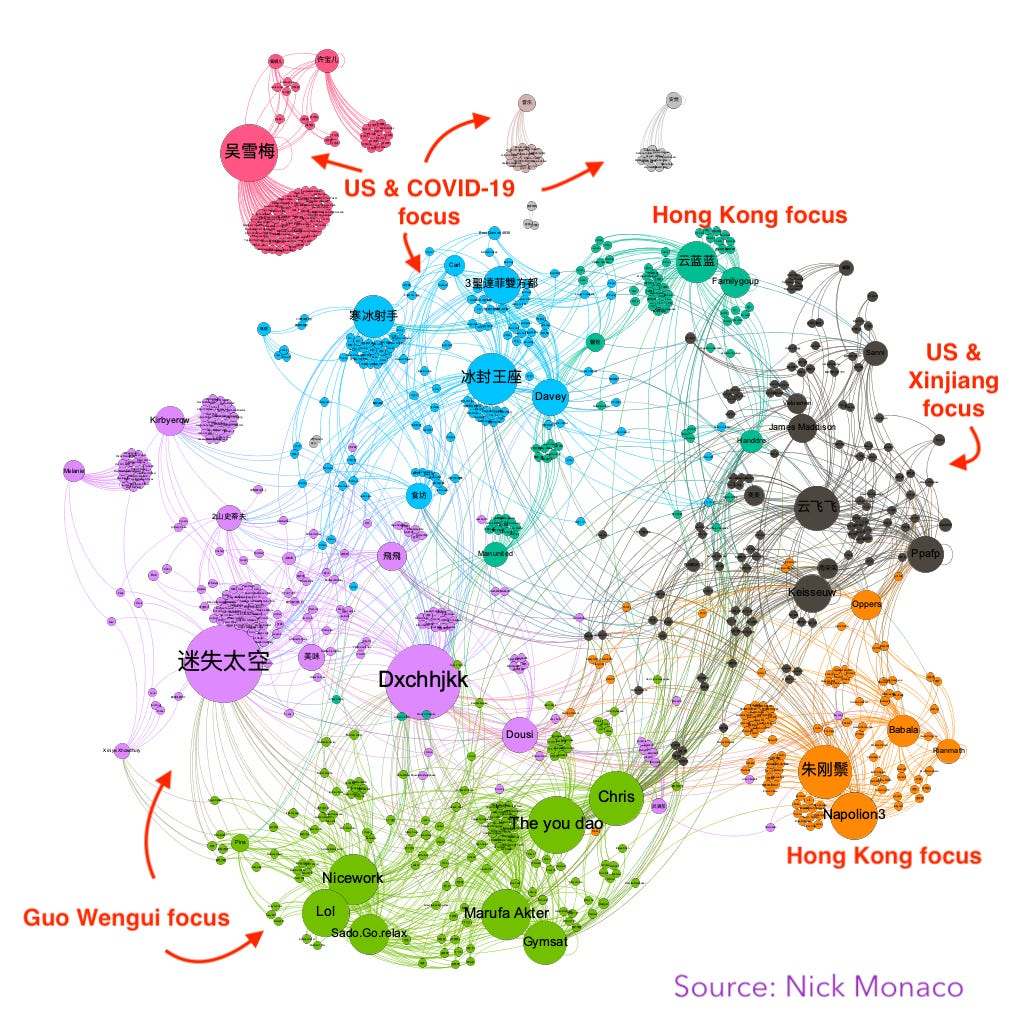
Researchers have also identified the use of AI-generated profile pictures, coordinated comment brigades, and recycled video content repurposed across platforms.
Strategic Objectives
Spamouflage’s messaging has shifted over time but often focuses on:
- Promoting positive narratives about the Chinese Communist Party
- Undermining criticism related to human rights issues
- Interfering in foreign political discourse
- Amplifying polarization in democratic societies
Rather than persuading through compelling arguments, much of the network’s strategy relies on flooding information spaces with repetitive content — hoping to overwhelm, distract, or subtly influence public perception.
Effectiveness: Limited Impact, Growing Sophistication
Many reports suggest that Spamouflage’s engagement levels are often low, with posts receiving minimal organic traction. However, cybersecurity analysts warn that the goal may not always be virality. Instead, it may be long-term narrative shaping and testing new influence techniques.
Recent investigations have shown increasing sophistication, including attempts to target local elections, create fake news websites, and recruit unwitting participants.
Why Spamouflage Matters
The existence of Spamouflage highlights a broader reality: social media has become a battleground for geopolitical competition. State-backed influence operations are no longer limited to traditional espionage or broadcasting — they now operate in comment sections, direct messages, and algorithm-driven feeds.
For users, the takeaway is not paranoia but awareness:
- Verify sources before sharing
- Be cautious of accounts with minimal history and highly political content
- Recognize coordinated messaging patterns
As platforms improve detection systems and governments increase scrutiny, operations like Spamouflage adapt. The digital information war is no longer theoretical — it is ongoing, subtle, and increasingly automated.
Understanding campaigns like Spamouflage is essential to navigating a world where influence is no longer confined to borders but flows invisibly through timelines and feeds.
—Travis Luyindama, B1Daily



 B1Daily
Leave a comment