—Kerry Hill, B1Daily
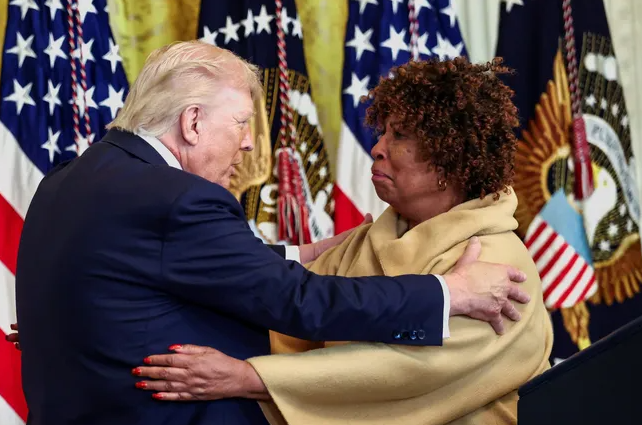
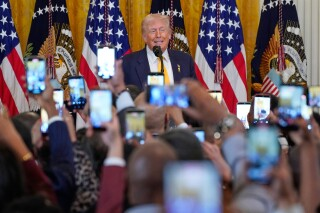
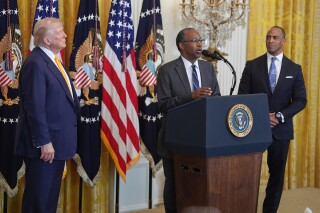
President Donald Trump hosted a high-profile celebration at the White House on February 18, 2026, honoring Black History Month as the nation marks the 100th anniversary of its founding in 1926. The event brought together political allies, community leaders, clergy members, entrepreneurs, and supporters in the East Room to recognize Black achievement while spotlighting the administration’s policy agenda.
A Milestone Commemoration
In his remarks, Trump called the centennial a historic milestone, describing Black History Month as a time to celebrate “courage, strength, and the extraordinary contributions of Black Americans to our country.” He framed the 100-year mark as both a reflection on the past and a moment to emphasize what he described as renewed economic opportunity and national pride.
The president praised several prominent Black conservatives and supporters in attendance, including former Housing and Urban Development Secretary Ben Carson, announcing that Carson would receive the Presidential Medal of Freedom at a future ceremony. Trump also referenced entertainers and athletes he described as supportive of his leadership, including rapper Nicki Minaj and former heavyweight boxing champion Mike Tyson.
Policy Focus and Political Messaging
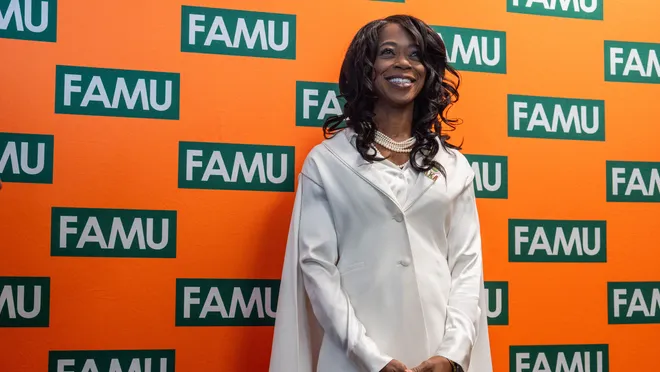
Throughout the event, Trump highlighted policies his administration says have benefited Black Americans, including permanent funding increases for historically Black colleges and universities (HBCUs), criminal justice reforms enacted during his first term, and economic measures aimed at boosting small businesses and employment.
He also pointed to increased Black voter support for Republicans in recent election cycles, arguing that shifting political alliances reflect dissatisfaction with traditional party loyalties and a desire for economic growth and public safety.
A Complex Political Backdrop
The celebration occurred amid ongoing national debates about race, political rhetoric, and historical memory. Critics have frequently questioned Trump’s record and past statements on racial issues, while supporters argue his policy achievements should be the focus of evaluation.
Notably, the president’s remarks centered largely on contemporary achievements and political themes rather than extended historical reflection on figures such as Barack Obama, the nation’s first Black president.
Marking 100 Years
Black History Month began in 1926 as “Negro History Week,” founded by historian Carter G. Woodson, before expanding into a month-long national observance in 1976. Its 100th anniversary carries symbolic weight, representing a century of formal recognition of Black contributions to American history.
The White House event reflected both celebration and controversy — a reminder that commemorating history in today’s political climate often intersects with ongoing debates about identity, leadership, and the direction of the country.
As the centennial year unfolds, the broader conversation surrounding Black history — how it is taught, honored, and politicized — is likely to continue well beyond February.
—Kerry Hill, B1Daily



 B1Daily
Leave a comment