—Kel McKnight, B1Daily
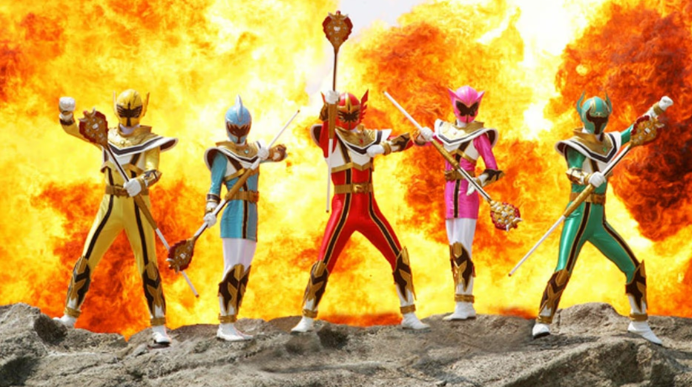
For as long as I can remember, the words “transform!” and the unmistakable team roll call have meant comfort. So hearing that Super Sentai may be ending — or even facing a long hiatus — feels like losing a childhood friend.
From the explosive debut of Himitsu Sentai Gorenger in 1975 to the high-energy spectacle of modern entries like Ohsama Sentai King-Ohger, Super Sentai has been more than just brightly colored spandex and giant robots. It has been ritual. It has been generational bonding. It has been a masterclass in teamwork wrapped in pyrotechnics.
As a fan, what hurts most isn’t just the idea of the show ending — it’s what that ending represents.
More Than a “Kids Show”
Critics often dismiss tokusatsu as campy or formulaic. But longtime fans know better. Super Sentai has always evolved with the times. Some seasons leaned into comedy. Others tackled political tension, environmental collapse, grief, sacrifice, even systemic corruption. Beneath the toyetic transformations was something surprisingly earnest: a belief that cooperation triumphs over ego.
Each new team reflected a different kind of unity — siblings, royalty, misfits, outcasts. The message was consistent: you are stronger together.
Losing that annual reset — that excitement of meeting a new Red, Blue, Yellow, Pink, and beyond — feels like losing a cultural heartbeat.
A Franchise That Built Bridges
Super Sentai didn’t just stay in Japan. It inspired adaptations like Power Rangers, which introduced Western audiences to the genre’s formula of teamwork and giant robot battles. For many of us, Power Rangers was the gateway drug — but discovering the original Super Sentai was like unlocking the unfiltered source.
Watching both versions taught me something important: storytelling transcends borders. Rubber suits, miniatures, and exaggerated villains became universal language.
If Super Sentai truly ends, it won’t just be a Japanese television loss. It will be a global one.
The Ritual of the Finale
Every Sentai season ends the same way — and yet never the same. The final battle. The upgraded combination mecha. The roll call one last time. Helmets off. Smiles through tears. A passing of the torch.
If the franchise itself were to close with that same structure, I imagine it like this: one final team, representing every era. A tribute episode filled with cameos. A closing narration thanking nearly fifty years of heroes.
But even imagining that makes my chest tight.
What Super Sentai Meant to Me
As a fan, Super Sentai wasn’t just something I watched. It was something I anticipated. It marked seasons of my life. I can remember where I was when certain openings premiered. I can still hum theme songs without trying.
It taught me that leadership isn’t domination — it’s inspiration. That strength isn’t solitary — it’s shared. That even if you’re the comic relief or the late-joining sixth ranger, you matter.
When a show runs for decades, it becomes stitched into who you are.
Maybe This Isn’t the End
Franchises evolve. They reboot. They rebrand. They rest and return stronger. Whether Super Sentai truly ends or simply transforms into something new, its legacy is untouchable.
Because the truth is: Super Sentai doesn’t live only on Sunday mornings. It lives in conventions, in fan edits, in cosplay, in collectors’ shelves, and in the hearts of people who still instinctively strike a pose when they hear an opening theme.
If this is goodbye, then thank you.
Thank you for the roll calls.
Thank you for the absurd monster designs.
Thank you for teaching generations that heroes don’t fight alone.
And if somewhere, someday, a new team lines up under a blazing sky and shouts their names one more time — you already know we’ll be there, cheering like kids again.
—Kel McKnight, B1Daily

 B1Daily
Leave a comment