—Barrington Williams, B1Daily
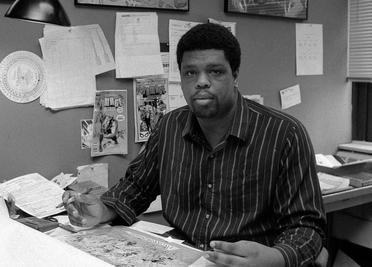
Dwayne McDuffie’s legacy isn’t just about the characters he wrote — it’s about the ceiling he shattered. At a time when Black creators were often boxed into narrow lanes, McDuffie proved something powerful: you can build your own heroes, steward legendary icons, and redefine mainstream animation — all without compromising your voice.
From Static to All-Star Superman, from Justice League Unlimited to Ben 10: Alien Force, his body of work forms a blueprint for what Black excellence in comics and television truly looks like.
Static: Ownership and Authentic Voice
With Milestone Media, McDuffie helped create Static — a teenage superhero whose intelligence, humor, and cultural grounding felt real. Static wasn’t a stereotype, a sidekick, or an afterthought. He was the lead.
When Static transitioned into animation through Static Shock, young viewers saw something rare at the time: a Black teen superhero navigating everyday life and supervillains with equal depth. But just as important as what appeared on screen was who shaped it behind the scenes.
For Black creators, Static represented ownership — the ability to craft a universe rather than merely exist within one.
Justice League: Mastering the Mainstream
McDuffie’s work on Justice League Unlimited demonstrated that Black creators are not confined to telling culturally specific stories. He handled some of DC’s most iconic heroes with sophistication, balancing cosmic battles with moral and political complexity.
Under his influence, Justice League became more than action spectacle. It explored power, accountability, loyalty, and global responsibility — themes that resonated far beyond Saturday morning television.
For aspiring Black writers, this mattered deeply. McDuffie proved that you could move from creating new heroes to shaping the mythology of Superman, Batman, and Wonder Woman — and elevate it in the process.
All-Star Superman: Stewarding an Icon
Adapting All-Star Superman required reverence for one of the most beloved comic storylines ever written. McDuffie delivered a screenplay that preserved the emotional heart of the story — a Superman facing mortality not with fear, but with compassion.
That accomplishment sent a message to the industry: Black creators can be trusted with legacy characters. They can interpret mythic Americana. They can define hope.
Representation isn’t only about new characters. It’s also about who gets to guide the cultural icons that already exist.
Ben 10: Expanding Youth Sci-Fi
On Ben 10: Alien Force, McDuffie helped deepen a massively popular sci-fi franchise. What could have remained a straightforward monster-of-the-week series gained serialization, character growth, and more layered storytelling.
This, too, was instructive for Black creators. McDuffie showed that writing for youth audiences doesn’t mean writing down to them. Intelligence, diversity, and emotional stakes belong in children’s media.
The Bigger Lesson
Taken together, Static, Justice League, All-Star Superman, and Ben 10 reveal something larger than a résumé. They reveal range. Ownership and adaptation. Original creation and mythic stewardship. Independent vision and mainstream authority.
Dwayne McDuffie rejected the notion that Black creators should stay in “Black lanes.” He built new heroes and guided old ones. He demanded inclusion but paired it with excellence. He advocated for fairness in the industry while delivering scripts that critics and fans alike respected.
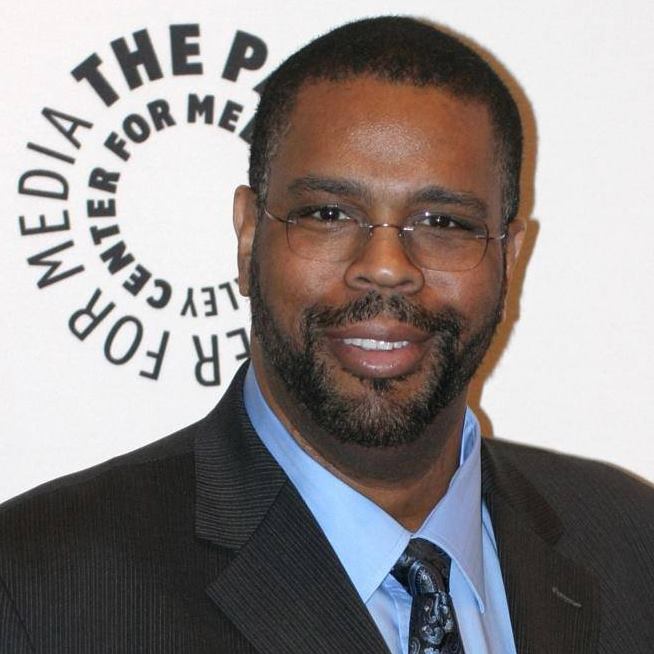
For Black comic creators today, his legacy offers both inspiration and instruction:
- Create original worlds.
- Master established ones.
- Demand space in executive rooms.
- Never sacrifice craft for access.
Dwayne McDuffie didn’t just participate in the comic and television industries — he expanded their possibilities. And in doing so, he left behind not just stories, but a roadmap.
—Barrington Williams, B1Daily


 B1Daily
Leave a comment