—Michael Lyles, B1Daily
For years, we’ve heard the same tired narrative: certain neighborhoods are “too risky,” “too under-resourced,” or “not viable” for full-service grocery stores. Translation? Predominantly Black communities were deemed unworthy of serious investment.
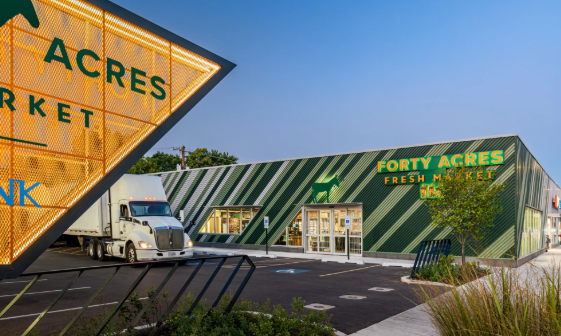
Then came 40 Acres Fresh Market in Chicago — and it quietly dismantled that myth.
This isn’t just a grocery store. It’s a rebuttal.
In neighborhoods long labeled “food deserts,” residents often had to travel miles for fresh produce, quality meats, and everyday essentials. Meanwhile, major chains passed over these same communities while collecting profits elsewhere. The issue was never demand. It was commitment.
40 Acres Fresh Market stepped in with something radical: belief.
Belief that families deserve fresh fruits and vegetables without crossing town.
Belief that culturally relevant products belong on shelves.
Belief that Black neighborhoods are not charity cases — they are markets.
And the community responded.
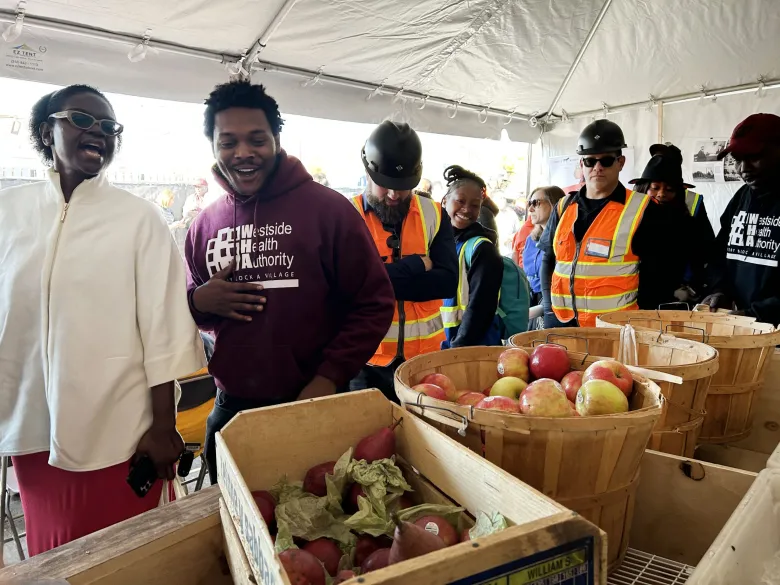
The store’s success exposes a truth that policymakers and corporate boards have avoided for decades: when you invest intentionally and respectfully in Black communities, those investments work. Jobs are created. Local dollars circulate. Partnerships grow. Pride grows with them.
The name “40 Acres” carries historic weight — echoing promises of economic autonomy that were never fulfilled. In many ways, this market represents a modern reclamation of that unfinished promise. Not through rhetoric, but through infrastructure.
Because that’s what grocery stores are. Infrastructure.
They influence health outcomes. They affect childhood development. They determine whether elders can access nutritious food close to home. Access to fresh groceries is not a luxury — it’s a foundation of public health and dignity.
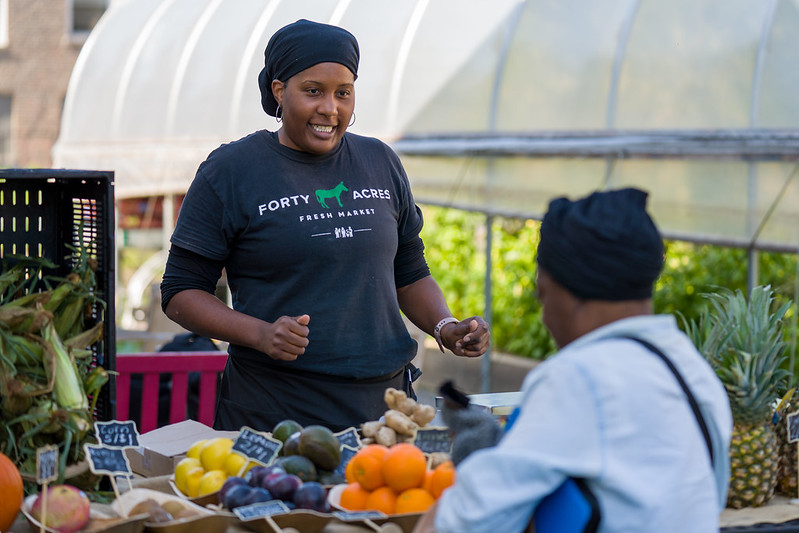
And let’s be clear: 40 Acres Fresh Market’s success debunks a dangerous assumption. Black neighborhoods were never incapable of sustaining full-service retail. They were systematically overlooked.
The problem wasn’t buying power.
The problem was bias.
What makes this market powerful isn’t just that it exists — it’s that it thrives. It stands as proof that community-centered entrepreneurship can compete and win. That culturally grounded business models aren’t niche — they’re necessary.
Cities across the country wrestling with food insecurity and retail disinvestment should be paying attention. The blueprint is right here: engage the community, commit long-term, stock quality products, hire locally, and treat residents like valued customers — not statistical risks.
40 Acres Fresh Market isn’t simply selling groceries.
It’s selling a new narrative about what’s possible when investment meets intention.
And that narrative is long overdue.
—Michael Lyles, B1Daily




 B1Daily
Leave a comment