
—Terrence Dorner, B1Daily
When Nemesio Oseguera Cervantes, widely known as “El Mencho,” was killed in a coordinated law enforcement operation, it marked the end of one of the most violent and consequential criminal careers in recent memory. As the head of the Jalisco New Generation Cartel (CJNG), El Mencho’s trajectory from rural enforcer to feared cartel boss left a bloody imprint on Mexico and beyond.
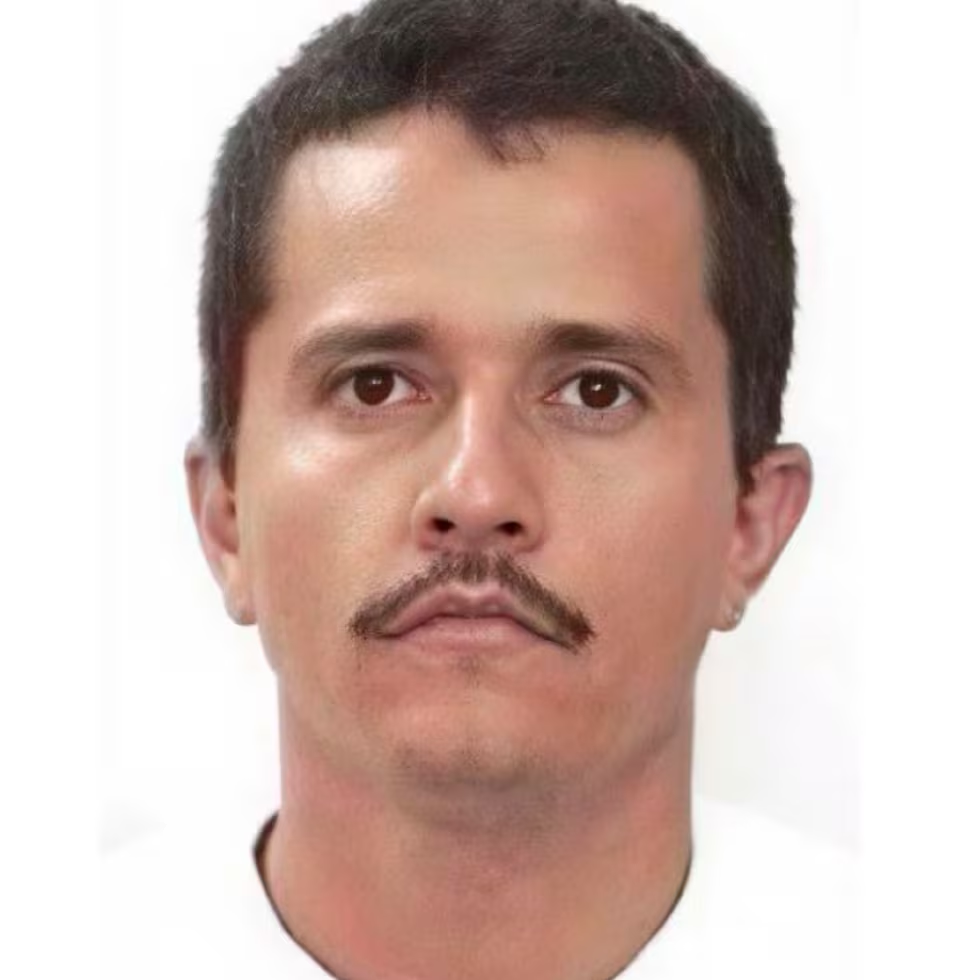
His story is more than a crime saga; it is a reflection of deeper social, institutional, and transnational pressures that have shaped Mexico’s decades-long struggle with organized violence.
From Cop to Cartel Kingpin
Born into a poor family in western Mexico, El Mencho’s early life offered few avenues for advancement. Reports indicate he once worked as a local police officer — a position that provided insight into both law enforcement’s limitations and the opportunities for corruption. It was a jump into the underworld that would change everything.
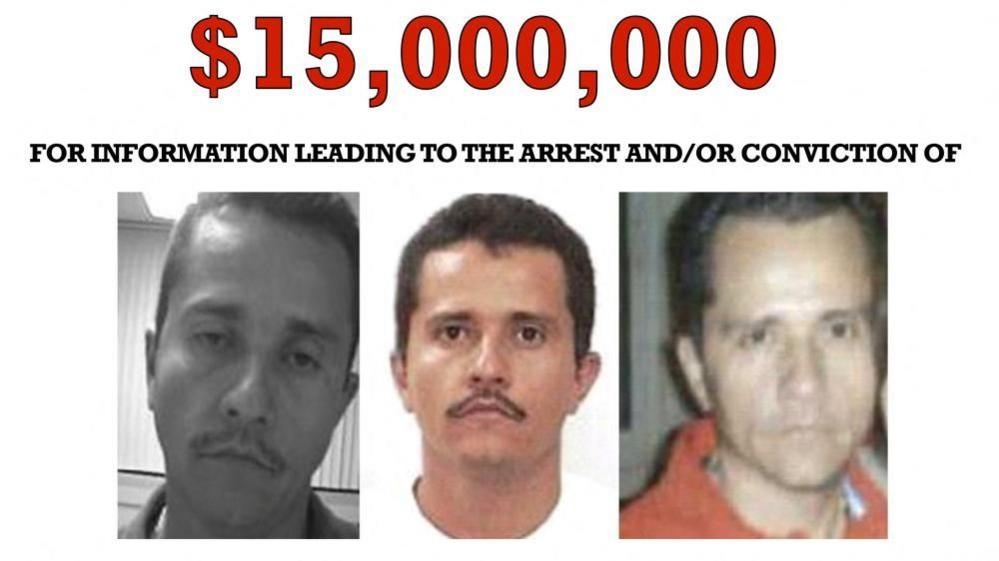
Under his leadership, the CJNG expanded rapidly — diversifying from drug trafficking into extortion, kidnapping, fuel theft, and political intimidation. The cartel’s reach extended into multiple Mexican states and overseas networks. Its products, especially synthetic drugs, helped fuel addiction and violence well beyond Mexico’s borders.
El Mencho’s reputation was built as much on strategy as spectacle. Brutal violence — from public executions to targeted assassinations — was wielded not just to eliminate rivals, but to sow fear, consolidate territory, and challenge both state forces and competing criminal groups. It was a strategy that brought both expansion and infamy.
Violence, Control, and Community Impact
Cartels are not abstract actors. In many regions, groups like the CJNG intertwine with local economies. For some communities, the cartel becomes a provider where government presence is weak — offering work, social assistance, or even basic services that public institutions fail to deliver. That uneasy coexistence of coercion and dependency complicates efforts to dismantle criminal influence.
This reality underscores a painful truth: violence is not only enforced from above. It seeps into families, markets, schools, and social life. The CJNG’s legacy is measured not only in territorial control or cartel wealth, but in disrupted communities, fractured families, and the persistent fear under which many live.
The Aftermath of a Kingpin’s Death
El Mencho’s death is undeniably significant. For Mexican authorities, it is a symbolic victory in a long and difficult conflict. For communities caught between cartel influence and state weakness, it is a moment of uncertainty.
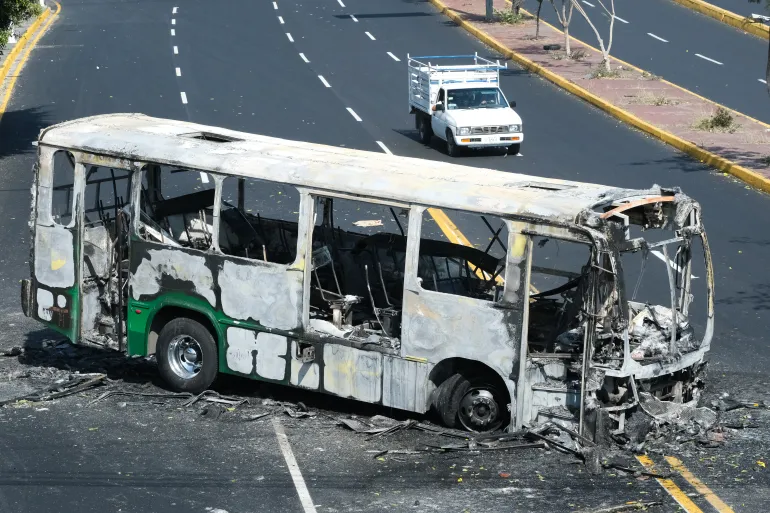
Experience shows that removing a single cartel leader rarely ends violence. Instead, it can trigger fragmentation, internal power struggles, and localized upheavals. New figures often emerge to contest control, and rival factions vie for influence. In the short term, these transitions can be as volatile as the reigns they replace.
The Bigger Picture: Structural Challenges
The story of El Mencho is about more than one man. It is about the conditions that allowed him to rise and persist:
- Economic disparity: Limited legitimate opportunities in many regions make criminal enterprise a tempting alternative.
- Weak institutions: Corruption and under-resourced public services create gaps that organized crime fills.
- Transnational demand: As long as international demand for drugs persists, the incentive structures driving cartels remain profitable.
These structural factors outlast any individual leader.
Legacy and Lessons
El Mencho leaves behind a legacy that will be debated for years. To some, he was a ruthless criminal whose campaigns of terror wreaked havoc. To analysts, his ascent offers lessons about how organized crime adapts, diversifies, and intersects with state weaknesses. To the families directly affected by CJNG violence, he is a symbol of loss and unresolved grief.
His downfall is not the end of Mexico’s struggle with organized crime — only its most recent chapter.
If Mexico’s future is to look different, it will require more than high-profile operations. It will demand institutional strengthening, economic investment, cross-border cooperation, and sustained social development.
One kingpin is gone. But the conditions that shaped his rise remain a challenge that will define Mexico’s future long after the headlines fade.
—Terrence Dorner, B1Daily


 B1Daily
Leave a comment