—Barrington Williams, B1Daily
In the aftermath of a highly controversial moment at the 2026 BAFTA Awards, several Black advocacy organizations and cultural groups have called for a formal boycott of the British Academy of Film and Television Arts (BAFTA). The calls follow an incident in which the N-word was broadcast during the live ceremony, sparking outrage among Black viewers, artists, and industry professionals.
What Happened
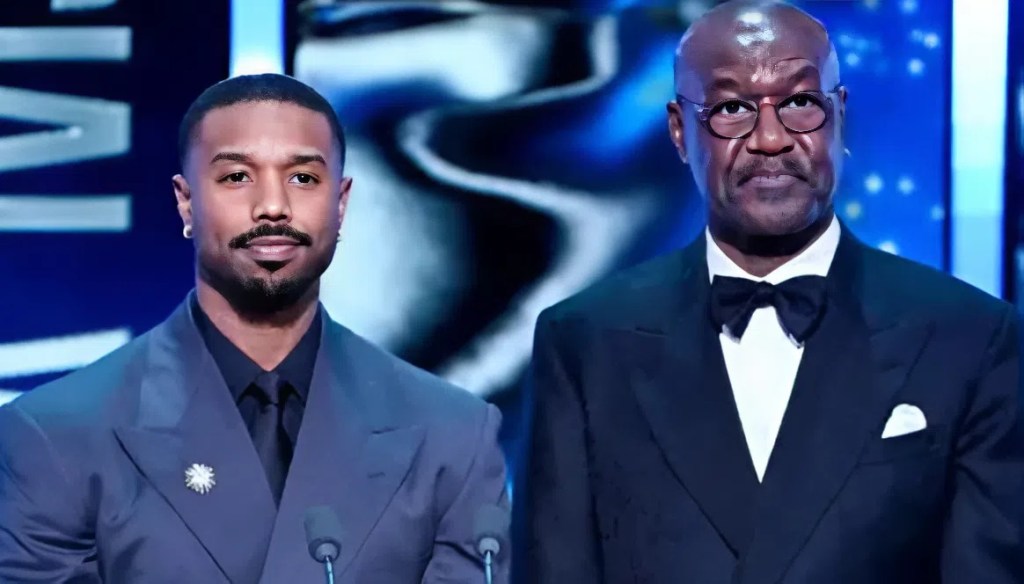
During the February 22, 2026 ceremony, Tourette’s syndrome activist John Davidson was present on stage as actors Michael B. Jordan and Delroy Lindo were presenting an award. Davidson involuntarily uttered a racial slur as part of his verbal tics, which are associated with his neurological condition.
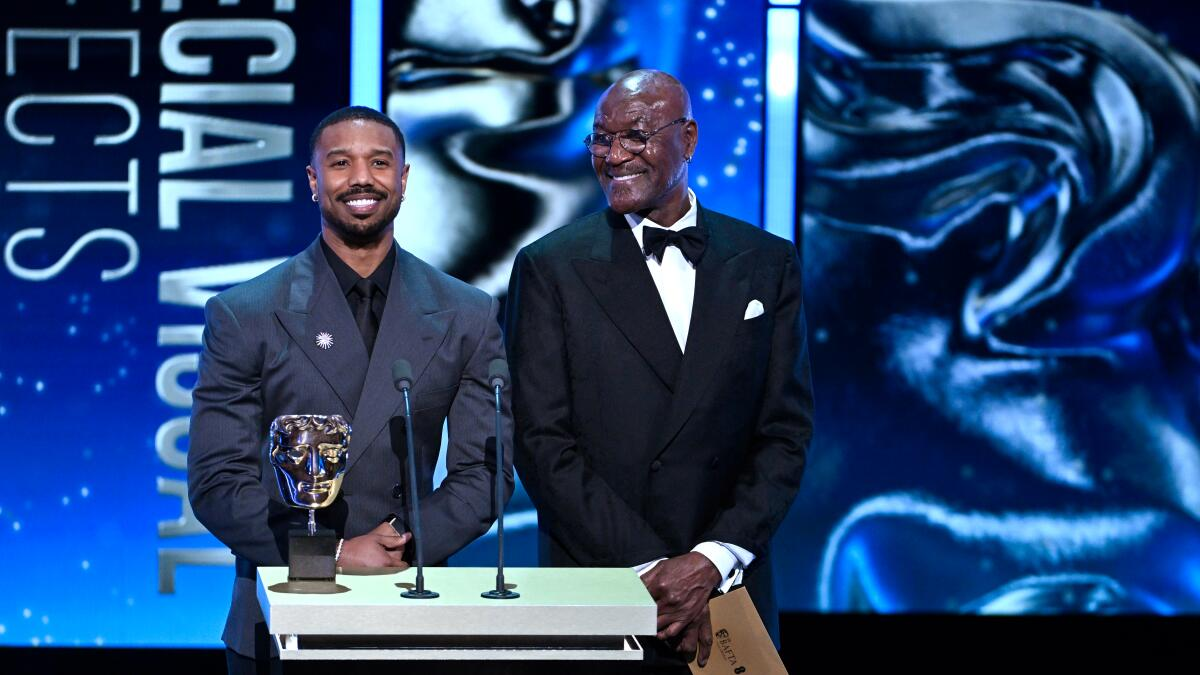
The moment was broadcast without being edited out, despite the ceremony operating on a delay. While BAFTA and the BBC later issued apologies and removed the segment from on-demand replays, critics argue that the failure to prevent the slur from airing reflects deeper lapses in oversight and editorial judgment.
Freedmen Nation Announces Boycott
Among the most prominent responses came from Freedmen Nation, which publicly announced a boycott of BAFTA and called for non-participation in its events. In its statement, the organization urged Verified Freedmen, affiliated artists, filmmakers, and industry professionals to refrain from participating in BAFTA programming until measurable reforms are implemented.
Freedmen Nation described the incident as evidence of “significant institutional failures in oversight, broadcast safeguards, and duty of care.” The group emphasized that apologies alone are insufficient and called for structural accountability.
Their demands include:
- Clear and enforceable editorial safeguards for live and delayed broadcasts
- Formalized risk-assessment procedures for live participants
- Transparent accountability measures when incidents of public harm occur
The organization framed the boycott not as a reactionary measure, but as a strategic effort to demand institutional reform and ensure that Black creatives are treated with dignity.
Industry Reaction and Resignations
The backlash has extended beyond advocacy groups. Some Black creatives and professionals have publicly condemned BAFTA’s handling of the situation. One filmmaker reportedly resigned from a BAFTA judging panel, citing what he described as a failure to safeguard the dignity of Black guests.
Across social media and industry forums, many commentators expressed frustration that a globally recognized awards body failed to prevent such a highly sensitive slur from reaching a worldwide audience. Critics argue that the existence of a broadcast delay should have allowed for intervention.
At the same time, others have noted the complexity of the situation, pointing out the involuntary nature of Davidson’s condition and urging careful consideration of disability rights alongside racial harm.
BAFTA’s Response
BAFTA has issued multiple apologies, acknowledging responsibility for the offensive language being aired. The organization has pledged to conduct a comprehensive review of its production and editorial protocols and has reaffirmed its commitment to inclusion and respect for marginalized communities.
However, for boycott advocates, promises of review are not enough. They argue that tangible reforms — clearly documented and publicly verifiable — must precede any restoration of trust.
A Broader Conversation
The controversy has reignited debate about how major cultural institutions manage live broadcasts, balance competing sensitivities, and respond when harm occurs. For many Black observers, the incident is part of a broader pattern in which racial dignity is insufficiently protected within global entertainment institutions.
Whether the boycott gains wider traction remains to be seen. But the message from participating organizations is clear: institutional credibility depends not just on apology, but on structural change.
The coming months will likely determine whether BAFTA’s promised reforms satisfy critics — or whether calls for continued non-participation intensify across the entertainment industry.
—Barrington Williams, B1Daily


 B1Daily
Leave a comment