—Matt Gwinta, B1Daily
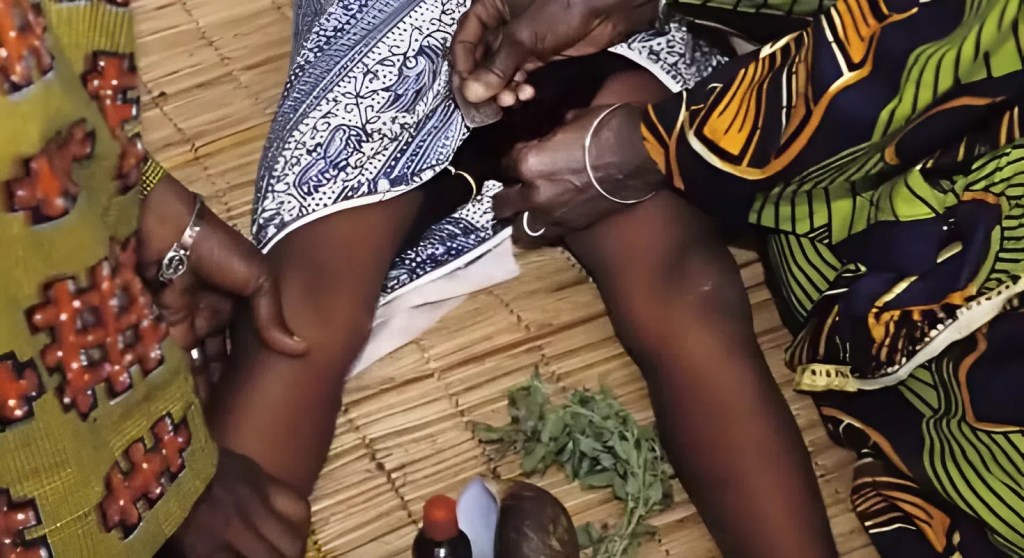
Across several regions of Africa and parts of the Middle East, the practice commonly referred to as female circumcision—more accurately termed female genital mutilation (FGM)—continues to affect millions of girls. While often defended under the banner of tradition, purity, or social acceptance, forced female circumcision stands in direct violation of bodily autonomy, human dignity, and fundamental human rights.
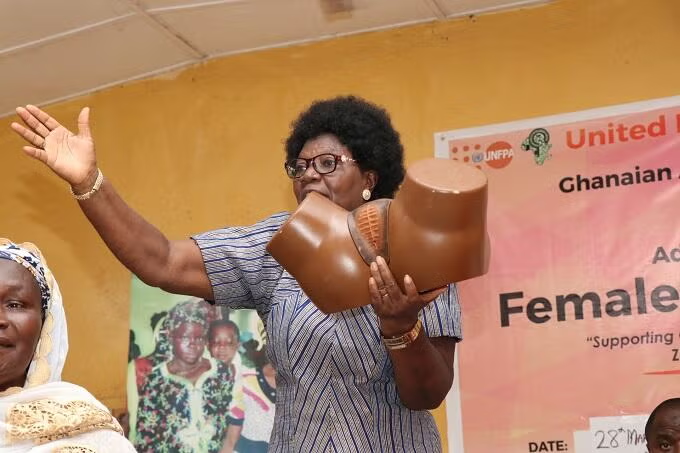
The World Health Organization defines FGM as procedures involving the partial or total removal of external female genitalia for non-medical reasons. There is no health benefit to the practice. Instead, it carries immediate and lifelong risks: severe pain, hemorrhage, infection, childbirth complications, sexual dysfunction, and psychological trauma. When performed on minors—often without anesthesia or sterile equipment—it becomes not only a health crisis but a moral one.
At its core, forced female circumcision represents a denial of consent. The overwhelming majority of girls subjected to it are children, unable to make informed decisions about permanent alterations to their bodies. Consent is central to modern ethical standards; removing it strips away the moral foundation any cultural defense might attempt to claim. Tradition cannot justify coercion.
Supporters of the practice often argue it preserves chastity, ensures marriageability, or fulfills communal identity. Yet these rationales are rooted in controlling female sexuality and reinforcing patriarchal structures. Cultural continuity, while valuable, does not supersede individual rights. Societies evolve precisely because they abandon customs that inflict unnecessary harm. History is full of traditions once normalized—child marriage, foot binding, ritual scarification—that were ultimately rejected as societies recognized their injustice.
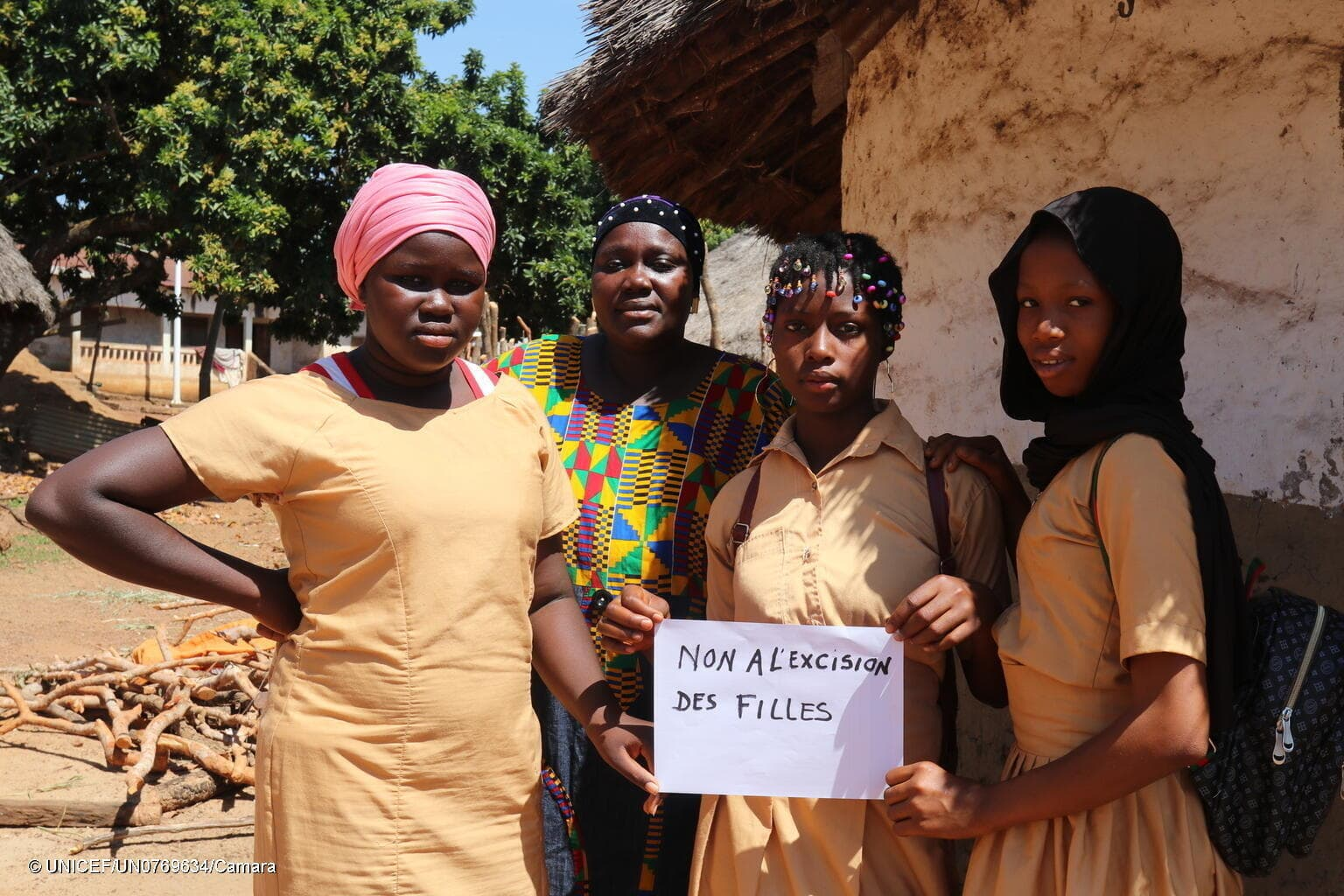
It is also crucial to distinguish cultural pride from harmful practices. Africa is not monolithic. Many African nations have outlawed FGM, and countless African activists, religious leaders, and community elders are at the forefront of eradication efforts. Framing the issue as an inherent feature of “African culture” oversimplifies a complex continent of 54 countries and thousands of ethnic groups. Resistance to FGM is deeply African as well.
International bodies such as UNICEF and the United Nations classify FGM as a human rights violation, particularly as it disproportionately affects girls from marginalized communities with limited access to education and legal protection. Legal bans alone, however, are insufficient. Enforcement gaps, social pressure, and fear of ostracism often drive the practice underground.
The moral case against forced female circumcision rests on three pillars: bodily autonomy, prevention of harm, and gender equality. No child should endure irreversible physical injury to satisfy social expectations. No cultural framework should require pain and risk to prove virtue. And no society committed to justice can defend a practice that exists almost exclusively to regulate and restrict women’s bodies.
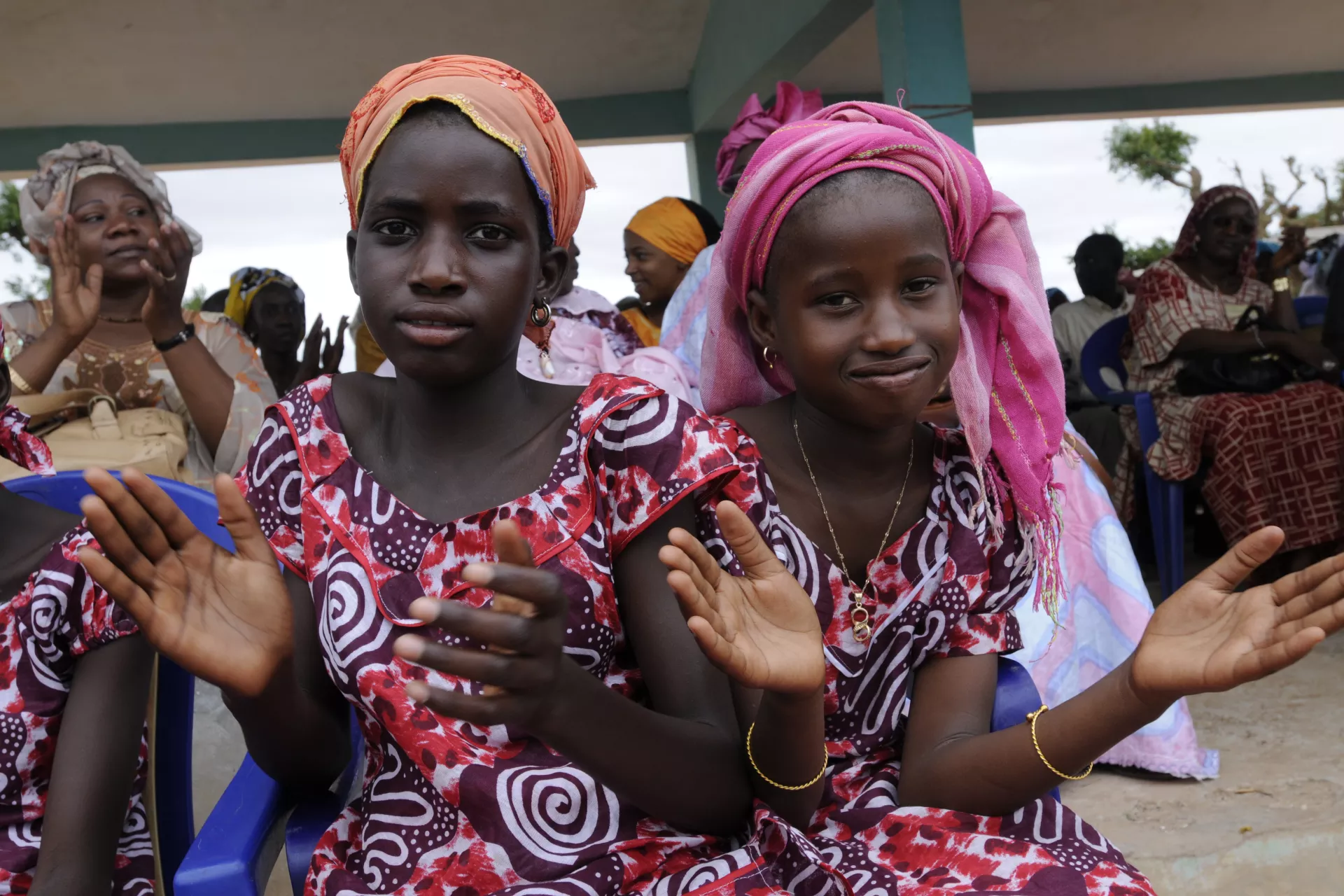
Ending forced female circumcision requires community-led change, education for both men and women, economic alternatives for practitioners who rely on it for income, and strong protections for girls at risk. It demands confronting uncomfortable truths while respecting the agency of African reformers who are already leading the fight.
Ultimately, morality is measured not by how fiercely we defend tradition, but by how courageously we protect the vulnerable. Forced female circumcision fails that moral test.
—Matt Gwinta, B1Daily

 B1Daily
Leave a comment