—Terrence Dorner, Sylvester Loving, B1Daily
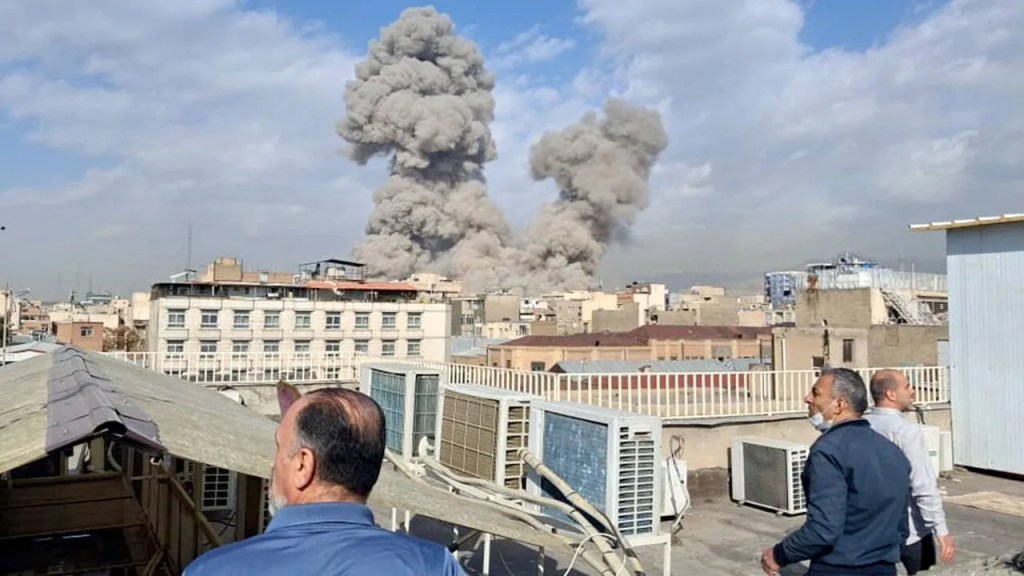
The long-simmering confrontation between the United States and the Islamic Republic of Iran has crossed from shadow conflict into open military engagement. After years of proxy clashes, sanctions warfare, cyber operations, and regional brinkmanship, direct strikes mark a fundamental shift in the strategic landscape of the Middle East. What is unfolding is not simply a bilateral war, but a test of modern military doctrine, asymmetric resistance, and escalation control in an era of advanced weaponry and fragile alliances.
America’s Opening Strategy: Shock, Precision, and Command Disruption
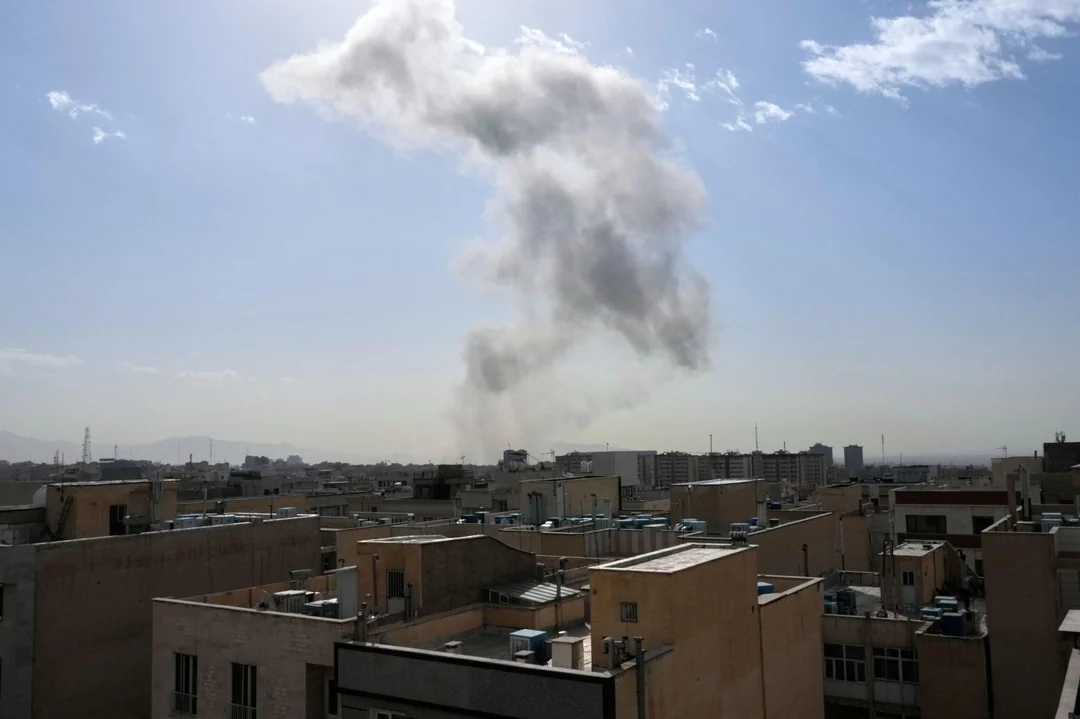
The U.S. approach reflects a doctrine centered on overwhelming precision and systemic paralysis. Rather than mobilizing for a traditional ground invasion, Washington’s initial moves prioritize air superiority, missile dominance, and multi-domain coordination. Carrier strike groups, stealth bombers, and long-range cruise missiles form the backbone of the offensive.
The tactical objective appears twofold. First, dismantle Iran’s integrated air defense systems to establish uncontested skies. Second, degrade command-and-control networks — particularly those linked to the Islamic Revolutionary Guard Corps (IRGC). Modern warfare emphasizes targeting the “brain” before the “body.” Destroying communication nodes, radar arrays, missile depots, and leadership compounds is designed to fracture Iran’s ability to respond cohesively.
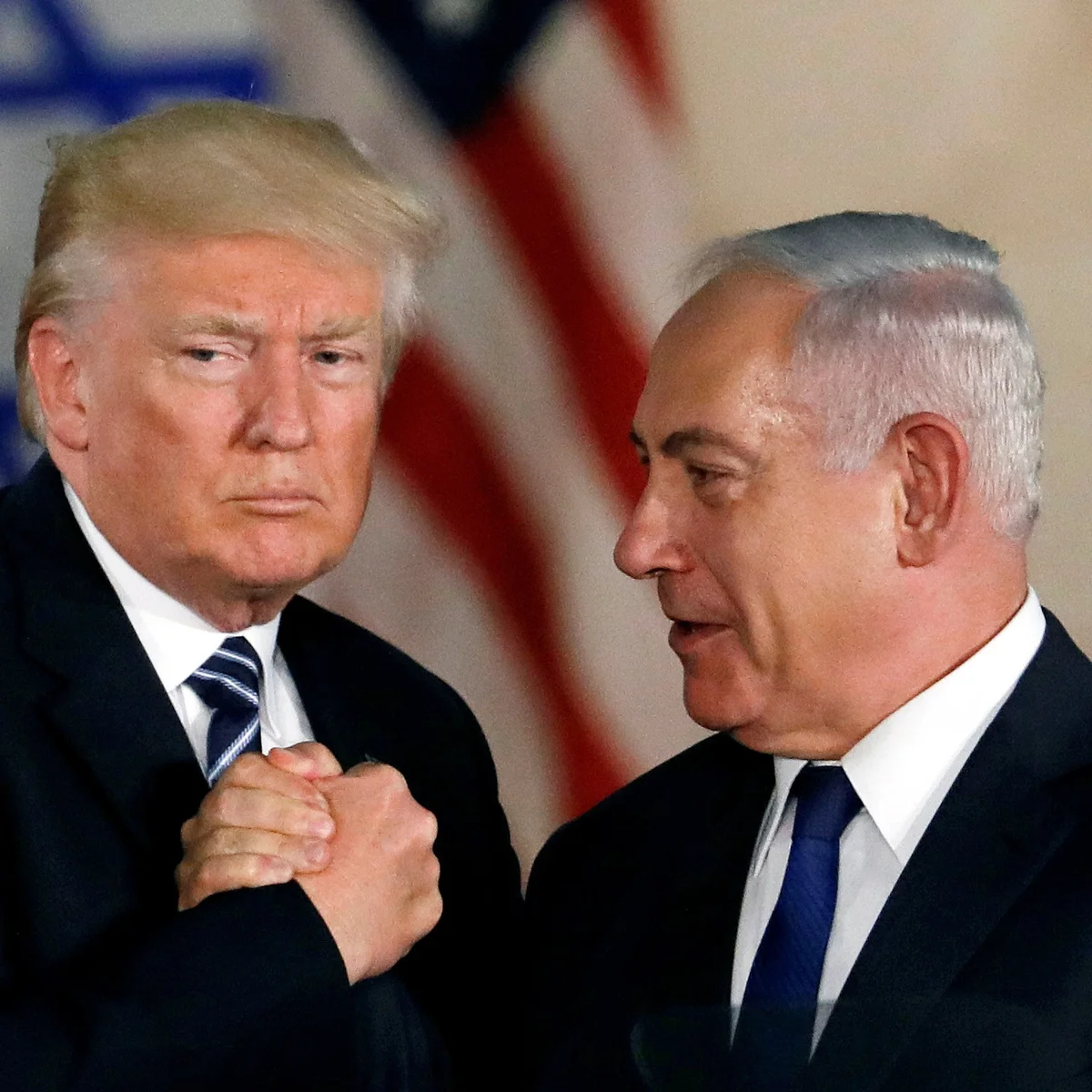
The use of precision-guided munitions and drone swarms demonstrates how the United States blends high-cost, high-technology platforms with lower-cost unmanned systems. This hybrid model allows saturation strikes without risking large numbers of personnel. Cyber warfare likely complements kinetic strikes, aiming to disrupt Iranian infrastructure, financial systems, and military communications.
Strategically, this reflects a doctrine of controlled decapitation — not necessarily immediate regime change through occupation, but destabilization through leadership dislocation and capability erosion.
Iran’s Counter-Doctrine: Asymmetry, Saturation, and Regional Pressure
Iran cannot match the United States plane for plane or ship for ship. Its doctrine has long acknowledged this imbalance. Instead, Tehran’s strength lies in asymmetry — the deliberate use of missiles, drones, proxy networks, and geographic leverage to complicate U.S. dominance.
Ballistic missile salvos and one-way attack drones form the spear of Iran’s retaliation. Rather than focusing exclusively on U.S. mainland targets, Tehran aims at regional bases, allied infrastructure, and Israeli territory. This approach expands the battlefield, forcing Washington to defend a web of installations scattered across the Gulf and Eastern Mediterranean.
Iran’s strategy also relies heavily on dispersion. Missile launchers are mobile, hardened, and often concealed. Underground facilities and mountain-embedded storage sites reduce vulnerability to airstrikes. The goal is survival through depth — absorbing initial blows while retaining enough capability to impose sustained costs.
Beyond conventional retaliation, Iran’s geopolitical leverage includes the Strait of Hormuz, through which a significant portion of global energy flows. Even the threat of disruption sends shockwaves through oil markets, applying indirect economic pressure on the West.
The Nature of the Battlefield: Multi-Domain Convergence
This conflict illustrates the defining features of 21st-century warfare. It is not limited to tanks crossing borders or infantry clashing in trenches. It is fought simultaneously in the air, at sea, in cyberspace, and across global financial systems.
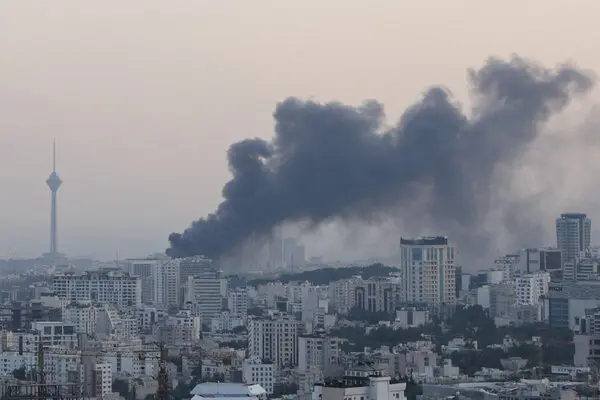
Drones and loitering munitions blur the line between conventional and irregular warfare. Cyber intrusions may target power grids and communications. Information warfare — shaping narratives, morale, and international opinion — becomes another theater.
Escalation control becomes the central challenge. Every missile strike risks retaliation that expands the scope of war. Both sides must balance domestic political pressure with strategic restraint. Too little response invites vulnerability; too much invites regional conflagration.
Strategic Objectives and the Endgame Question
For the United States, the strategic aim likely centers on preventing nuclear capability consolidation and weakening Iran’s regional projection power. Yet history shows that degrading infrastructure does not necessarily dissolve ideological regimes.
For Iran, survival is victory. If the state structure remains intact and missile capabilities endure, Tehran can frame the conflict domestically as resistance against a superpower. Endurance becomes propaganda.
The decisive variable may not be battlefield dominance but political cohesion. Wars between asymmetrical powers often hinge on stamina — who can tolerate economic strain, diplomatic isolation, and domestic unrest longer.
A Conflict with Global Consequences
This war is not an isolated Middle Eastern clash. It tests alliances, energy markets, and the credibility of deterrence worldwide. It forces global powers to reconsider how precision warfare, drone proliferation, and asymmetric doctrine reshape the balance between conventional superiority and strategic resilience.
Ultimately, America’s technological dominance meets Iran’s doctrine of endurance and dispersion. The outcome will depend not just on firepower, but on adaptability, escalation management, and political will.
In the age of networked missiles and decentralized retaliation, victory is no longer defined solely by territory seized. It is defined by which side can impose costs without collapsing under them.
—Terrence Dorner, Sylvester Loving, B1Daily



 B1Daily
Leave a comment