—Matt Gwinta, B1Daily
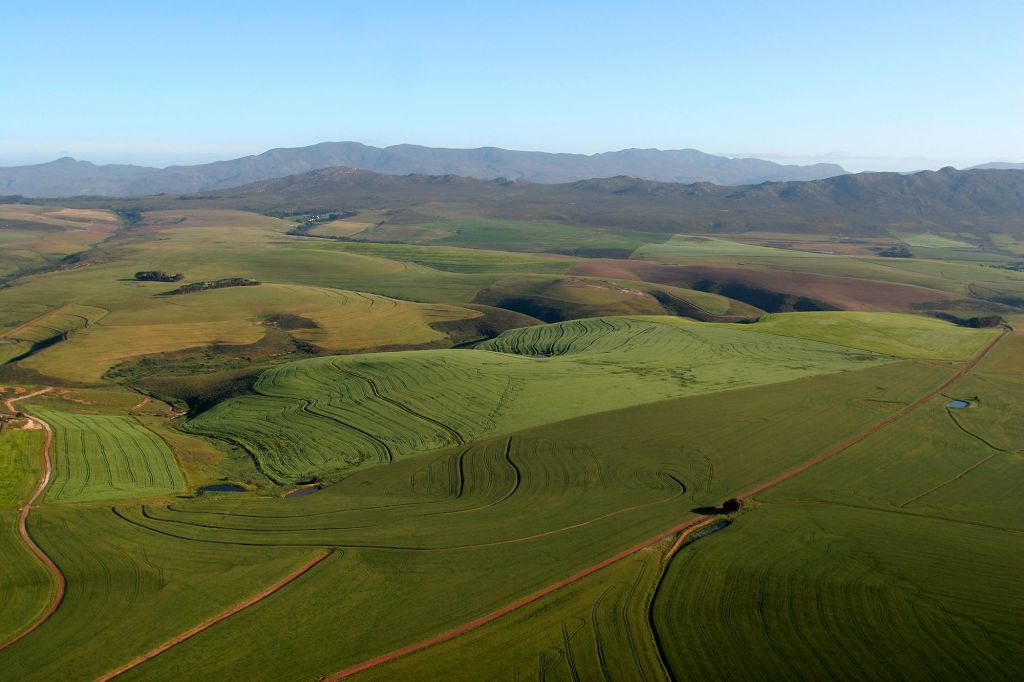
More than three decades after the formal end of apartheid, South Africa continues to wrestle with one of its deepest structural wounds: land ownership. While political power shifted in 1994 with the election of Nelson Mandela and the dismantling of apartheid laws, economic power—particularly land control—remains disproportionately concentrated. A significant portion of commercial farmland is still owned by white South Africans, including many descendants of the Boers, the Dutch settler population whose political leadership engineered and enforced the apartheid regime.
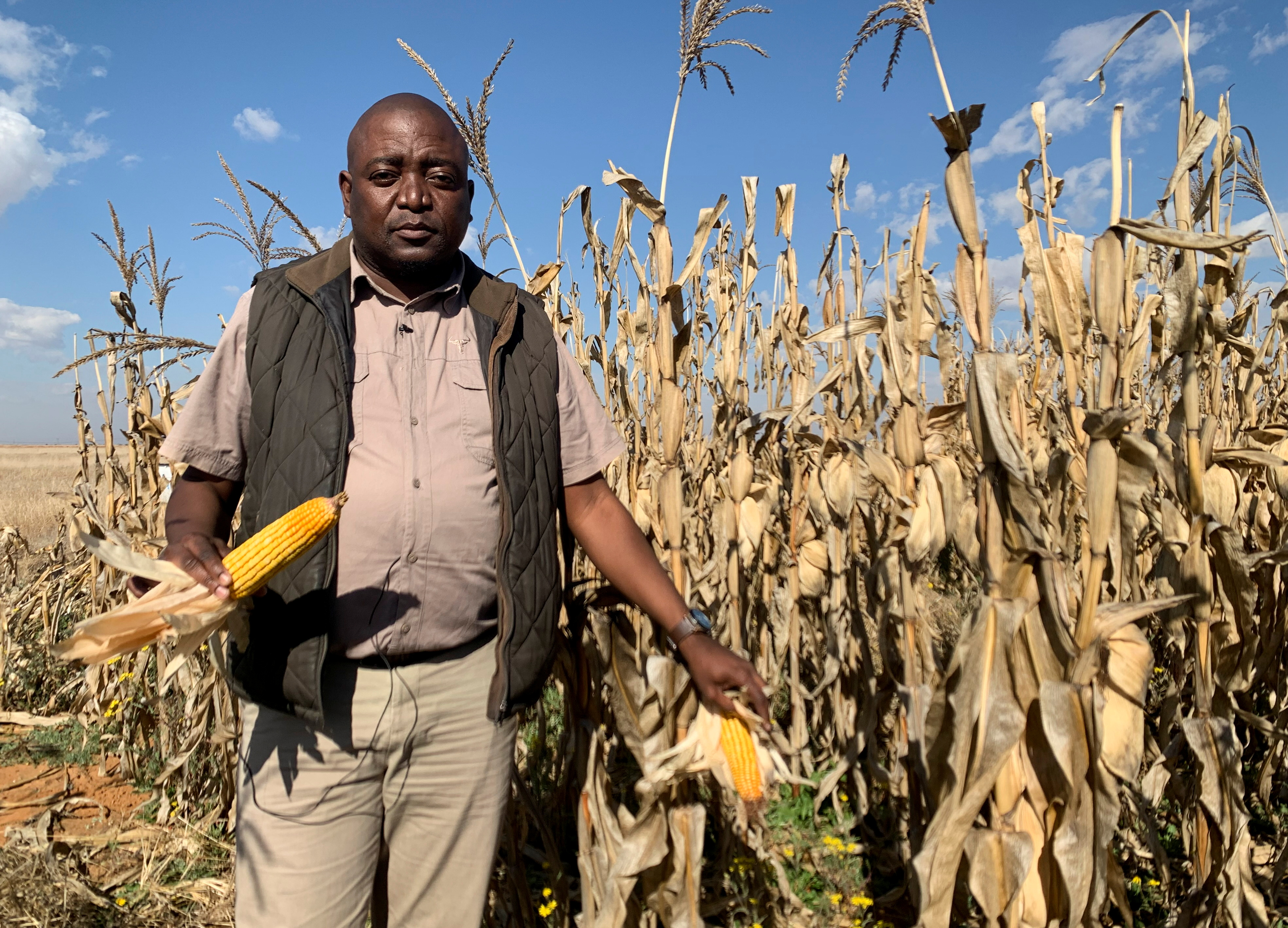
The moral question is unavoidable: can land accumulated through a racially exclusionary system be considered fully legitimate simply because time has passed?
Under apartheid, Black South Africans were systematically dispossessed through policies like the 1913 Natives Land Act, which restricted land ownership to small, segregated reserves. Entire communities were forcibly removed, often with little or no compensation, to consolidate white control over fertile agricultural land and urban property. These were not market transactions between equals. They were transactions under coercion, backed by the state.
When apartheid formally ended, the new government under the African National Congress adopted a cautious land reform policy built on “willing buyer, willing seller” principles. The goal was to prevent economic collapse and racial conflict while gradually redistributing land. Yet progress has been slow, uneven, and deeply frustrating for many South Africans who see little material change in ownership patterns.
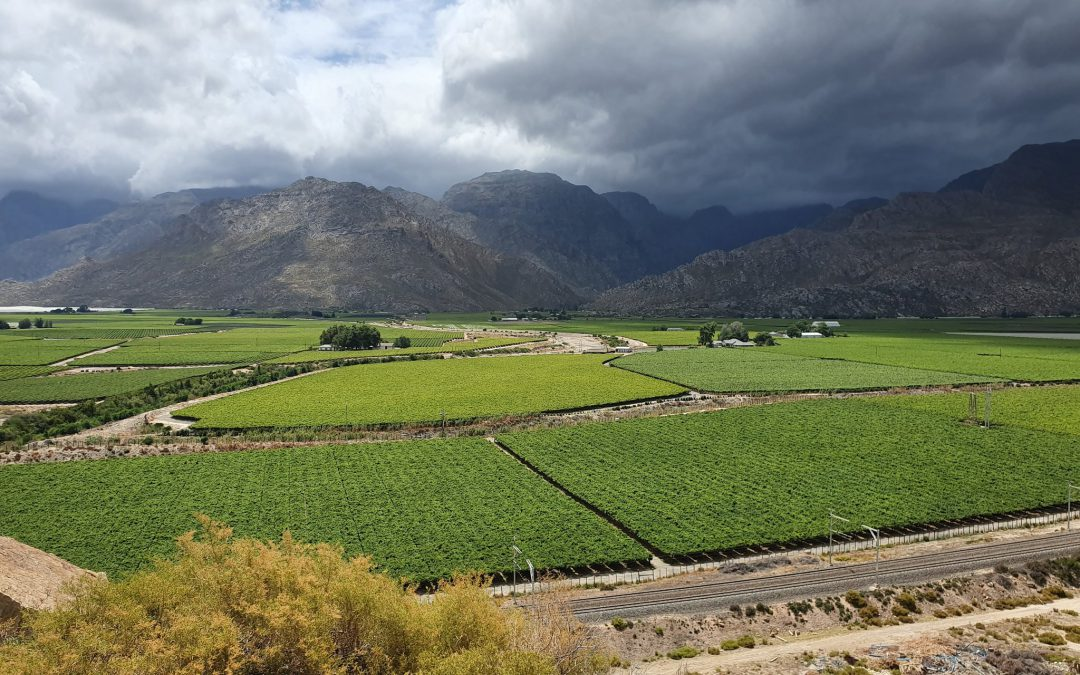
Critics argue that many Boer-descended landholders are, in effect, benefiting from historical injustice. Even if individual farmers today did not personally design apartheid policies, the wealth and property structures they inherited were shaped by a system that explicitly excluded the Black majority. From this perspective, continuing to hold that land without meaningful redistribution amounts to preserving the economic architecture of apartheid under a democratic flag.
Supporters of current landowners counter that property rights are foundational to economic stability. They warn that aggressive expropriation could undermine agricultural productivity, scare away investment, and repeat mistakes seen elsewhere on the continent. They also argue that many white farmers have invested generations of labor and capital into improving their land, and that collective guilt is not a just basis for confiscation.
The tension, then, lies between two principles: the sanctity of property rights and the imperative of restorative justice. South Africa’s constitution allows for land reform, including expropriation under certain conditions, but implementation has been politically fraught. Efforts to accelerate redistribution have faced bureaucratic failures, corruption scandals, and internal political divisions.
Yet doing nothing carries its own risks. Land is not just an economic asset in South Africa; it is symbolic. It represents dignity, belonging, and the tangible reversal of a system that treated the Black majority as temporary tenants in their own country. When economic apartheid lingers, even after legal apartheid ends, social resentment festers.
An opinion that calls for addressing Boer-held land is not necessarily a call for chaos or indiscriminate seizure. It can be a call for structured, transparent, and lawful redistribution policies that recognize historical theft while protecting national food security. Solutions might include land taxes on underutilized property, state-backed purchase programs, community ownership models, or partnerships that gradually transfer equity without collapsing production.
The unfinished business of apartheid is not simply about memory—it is about material reality. If democracy is to mean more than ballots, it must confront inherited inequalities that were engineered by law. Whether through negotiated settlements, compensation frameworks, or constitutional mechanisms, South Africa cannot indefinitely postpone the land question without undermining its own promise of equality.
History does not disappear because it becomes uncomfortable. The challenge for modern South Africa is to reconcile justice with stability, restitution with productivity, and memory with nation-building. The land debate remains at the center of that reckoning.
—Matt Gwinta, B1Daily



 B1Daily
Leave a comment