—Michael Lyles, B1Daily
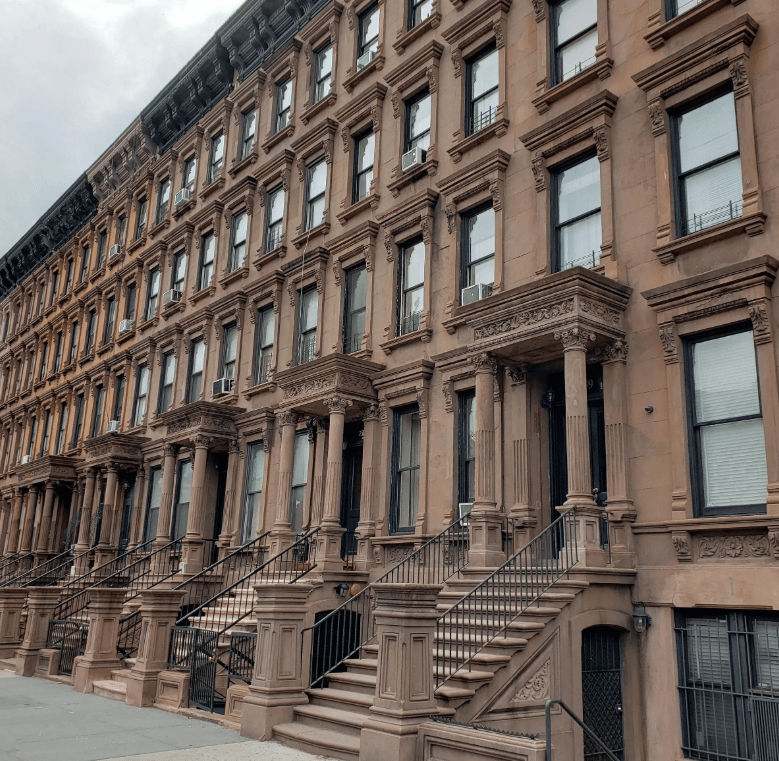
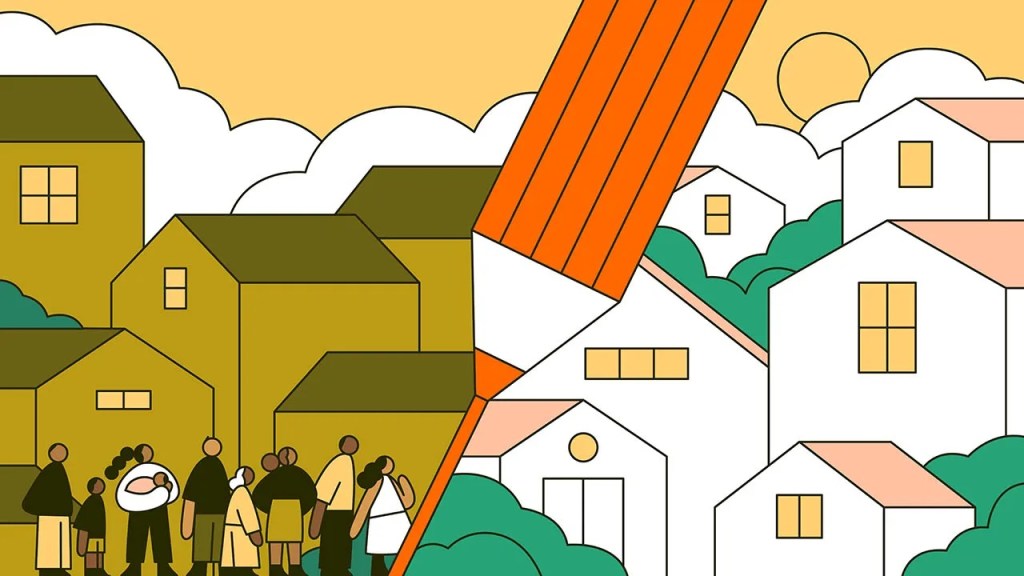
Over the past two decades, New York City has undergone a dramatic transformation. Luxury towers now rise where modest brownstones once stood. Coffee shops and boutique gyms have replaced neighborhood-owned businesses. Property values have skyrocketed. Beneath the glossy narrative of “urban revitalization” lies a harder truth: many Black New Yorkers have been systematically priced out of the very neighborhoods their families helped build.
A Two-Decade Demographic Shift
Since the early 2000s, New York’s Black population has declined significantly. Census data shows that hundreds of thousands of Black residents have left the city, particularly from historically Black neighborhoods in Brooklyn, Harlem, and parts of the Bronx. Areas such as Bedford-Stuyvesant, Crown Heights, and Harlem, once synonymous with Black cultural and political life have experienced rapid increases in rent, property taxes, and speculative investment.
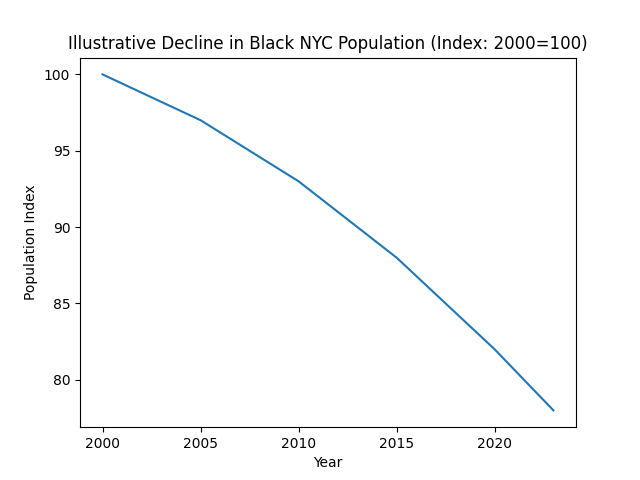
The result has been displacement, not always through formal eviction, but through economic pressure. As landlords raised rents to match market demand, long-term residents, especially renters without strong protections found themselves unable to keep up. Those who once paid manageable rents suddenly faced increases of hundreds or even thousands of dollars per month.
The Brooklyn Epicenter
Nowhere has the shift been more visible than in Brooklyn. Neighborhoods like Bed-Stuy and Crown Heights were once considered overlooked or undervalued. As new development poured in and proximity to Manhattan became more attractive to higher-income professionals, property values soared.
What was framed as “revitalization” often meant cultural erasure. Black-owned storefront churches, Caribbean bakeries, barbershops, and community centers were replaced by chain retailers and upscale establishments catering to newer residents. While crime rates dropped and infrastructure improved, the people who endured decades of disinvestment were often unable to remain to enjoy the rewards.
Harlem’s Cultural Displacement
In Harlem, the symbolic heart of Black America, the change carries particular weight. Harlem has long represented artistic brilliance and political consciousness, from the Harlem Renaissance to the civil rights era. Yet rising rents and redevelopment projects have altered the neighborhood’s demographic profile.
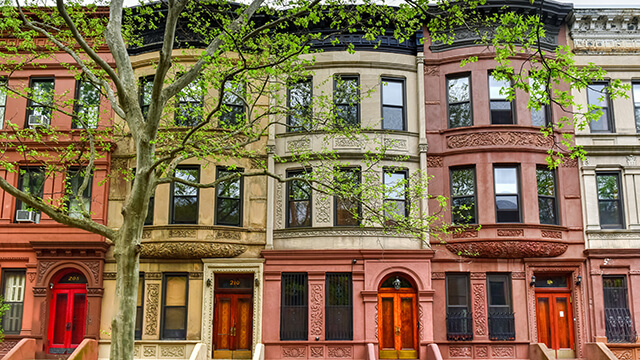
As landlords converted rent-stabilized apartments into market-rate units and new luxury developments reshaped the skyline, many Black residents relocated to outer boroughs or left the city entirely. Some moved to southern states like Georgia and North Carolina, where housing costs were lower and homeownership more attainable.
The Role of Policy
Gentrification is not purely organic market evolution; it is shaped by policy decisions. Rezoning initiatives under multiple mayoral administrations encouraged high-density development in working-class neighborhoods. Tax incentives favored developers building luxury housing. Meanwhile, public housing residents faced chronic underfunding, maintenance crises, and long waitlists.
Although New York has some of the strongest tenant protections in the country, enforcement gaps and loopholes have allowed landlords to deregulate units and displace tenants through buyouts, harassment, or neglect. Housing court backlogs and limited legal resources further tilted the playing field.
Economic Barriers and Wealth Gaps
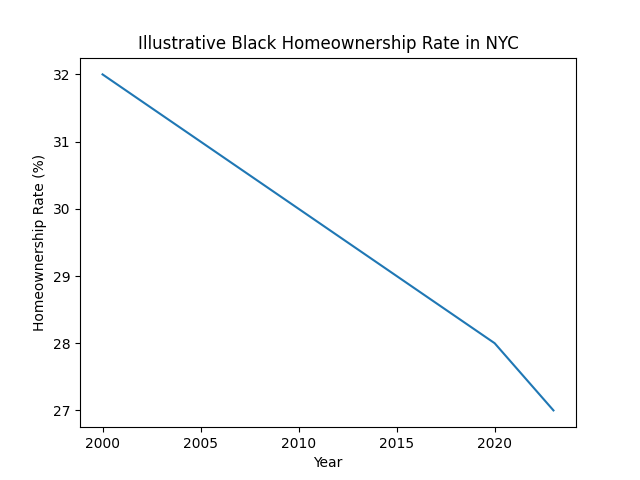
The displacement of Black residents is deeply connected to broader wealth disparities. Black households in New York historically hold less generational wealth and have lower homeownership rates compared to white households. When neighborhoods gentrify, homeowners may benefit from rising property values, but renters, who make up a large portion of Black households, face vulnerability.

Without equity in property, rising land values translate into rising rent burdens rather than financial gains. The cycle compounds inequality: those with capital accumulate more; those without it are pushed outward.
Cultural Consequences
Beyond economics, there is a cultural cost. Neighborhood identity is not an abstract concept, it is built through institutions, relationships, and shared history. As Black populations decline in historically Black neighborhoods, political representation shifts. Schools, churches, and community groups lose membership. Local traditions weaken.
For many former residents, the feeling is not just that the city changed, but that it changed without them.
Where Did They Go?
Many displaced Black New Yorkers have relocated to suburbs in New Jersey, Long Island, and upstate New York, or migrated south in search of affordability and opportunity. Ironically, some of the fastest-growing Black populations in the country are in cities like Atlanta and Charlotte, places that offer lower housing costs but lack the unique cultural and economic ecosystem of New York.
The Larger Question
Gentrification is often defended as inevitable in a global city. Rising demand drives prices. Investment follows opportunity. Yet when the result is the large-scale exit of a historically rooted community, the conversation must move beyond market logic.
The question facing New York City is whether it can remain economically dynamic while preserving social diversity. Can policies prioritize affordable housing, community land trusts, and tenant stability? Or will the city become increasingly accessible only to the affluent?
Over the last 20 years, many Black New Yorkers have not simply moved, they have been economically displaced. The skyline may be taller. The tax base may be stronger. But the cost has been the gradual hollowing out of communities that shaped the city’s soul.
The transformation of New York raises a broader national concern: when urban revitalization displaces the very people who endured decades of neglect, is it renewal or replacement?
—Michael Lyles, B1Daily
 B1Daily
Leave a comment