–Michael Lyles, B1Daily
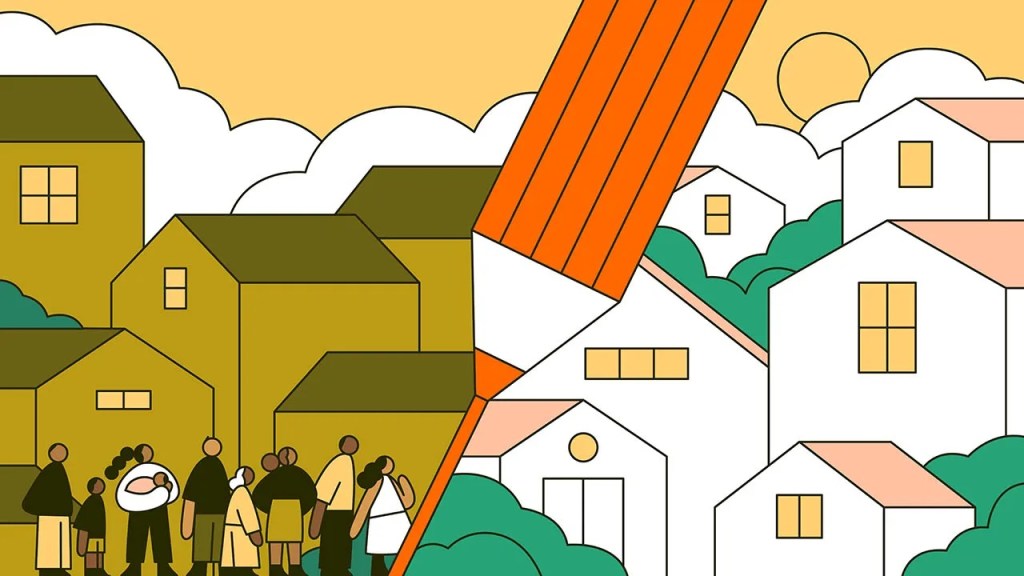
For much of the 20th century, Black Americans were systematically denied access to one of the most powerful wealth-building tools in the United States: homeownership. Through a federal policy known as redlining, banks, lenders, and government agencies marked predominantly Black neighborhoods as “hazardous” for investment, cutting off mortgages, credit, and development. The consequences were not incidental, they were engineered. And many argue that those engineered harms create a moral and economic case for reparations today.
What Redlining Was
Beginning in the 1930s, the federal government, through programs tied to the Home Owners’ Loan Corporation and the Federal Housing Administration, created color-coded maps that graded neighborhoods for lending risk. Areas with significant Black populations were almost automatically outlined in red and labeled high-risk, regardless of income or housing quality.
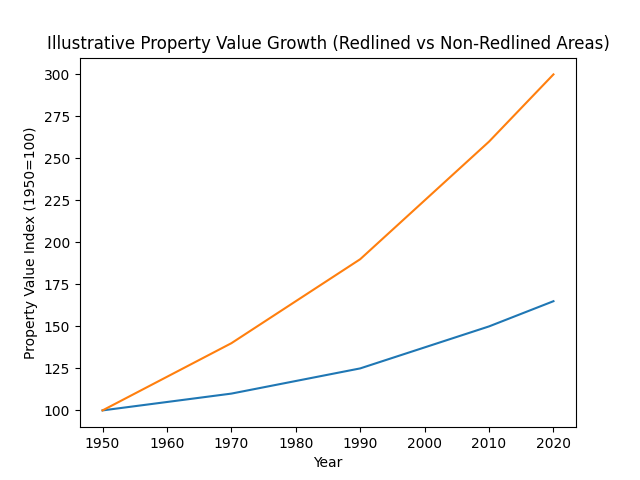
This meant Black families were routinely denied federally backed mortgages that white families used to buy homes in growing suburbs. While white households accumulated equity and passed wealth down generations, Black families were often forced into renting or predatory contract buying arrangements with little legal protection.
A Government-Created Wealth Gap
The modern racial wealth gap did not appear by accident. When the federal government subsidized suburban expansion and middle-class homeownership after World War II, Black Americans were largely excluded. Property values in redlined neighborhoods stagnated due to disinvestment, while suburban property values appreciated dramatically.
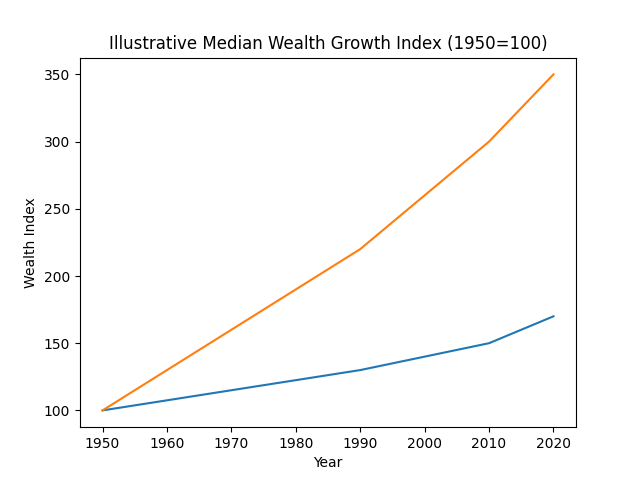
Over time, that difference compounded. A home purchased in the 1950s for $10,000 in a federally backed suburb might be worth hundreds of thousands or more today. That appreciation funded college tuition, small business creation, retirement security, and generational transfers of wealth. Families locked out of that system were deprived not only of housing access but of intergenerational opportunity.
Ongoing Consequences
Even after the Fair Housing Act of 1968 formally outlawed housing discrimination, the damage had already been embedded into the economic landscape. Many formerly redlined neighborhoods continue to experience:
- Lower property values
- Reduced access to credit
- Underfunded schools
- Environmental hazards
- Higher rent burdens
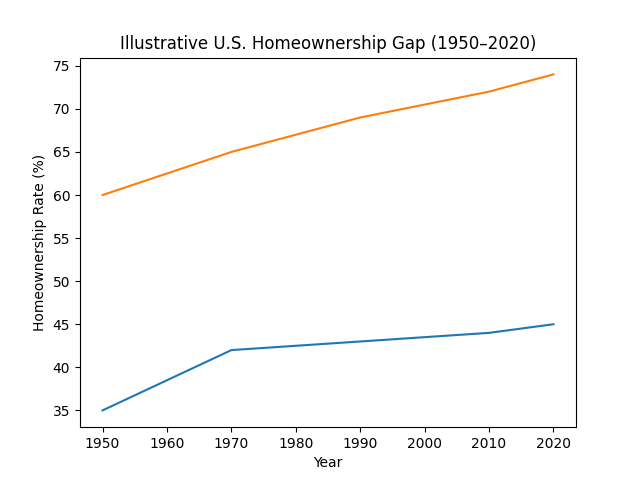
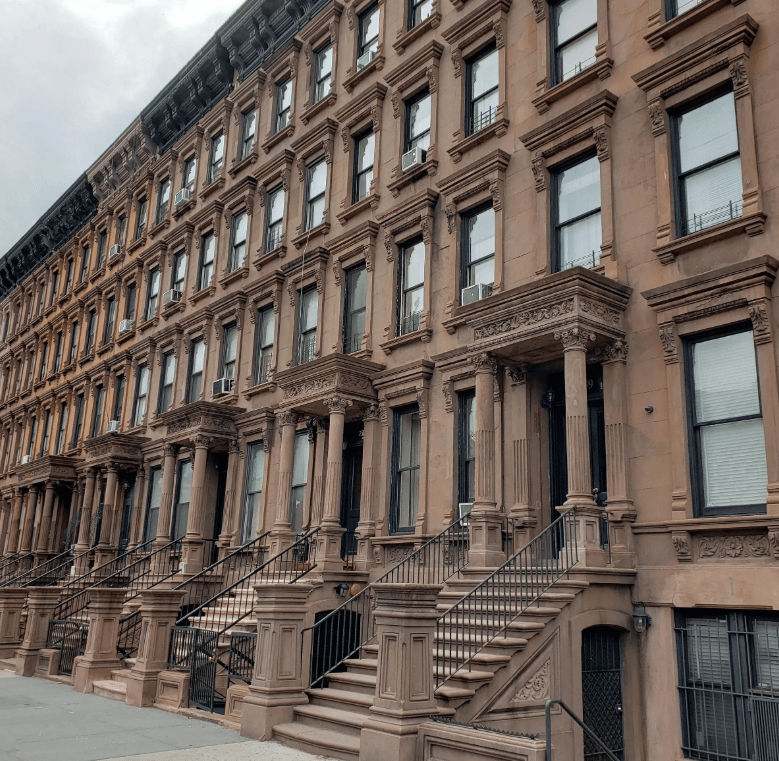
The legacy of redlining is still visible in cities like Chicago, Detroit, and New York City, where historically redlined neighborhoods often overlap with present-day concentrations of poverty and disinvestment.
Why Reparations Are Argued to Be Justified
Advocates argue that redlining was not simply private prejudice, it was government-sanctioned discrimination. Because federal policy directly contributed to measurable financial harm, they contend that restitution should follow. Reparations, in this framework, are not charity; they are compensation for state-imposed economic injury.
The argument rests on several key points:
- Direct Government Action – Federal housing policy explicitly discriminated on the basis of race.
- Quantifiable Economic Harm – Lost home equity, suppressed property values, and denied loan access can be estimated.
- Intergenerational Impact – The harm extended beyond individuals to their descendants.
- Continuing Effects – The structural disparities created by redlining persist today.
Proposed remedies range from targeted housing grants and down-payment assistance to direct payments, tax credits, student debt relief, or investments in historically redlined communities.
The Broader Moral Question
At its core, the debate over redlining and reparations is about accountability. When a government designs a system that blocks an entire group from wealth creation for decades, does it carry an obligation to repair that harm?
The wealth gap between Black and white households is not merely the product of individual choices, it reflects decades of policy decisions. For those who support reparations, redlining stands as one of the clearest examples of institutional discrimination that produced measurable, lasting damage.
Whether through direct compensation or targeted structural investment, the argument maintains that repair is not about revisiting the past for its own sake. It is about correcting a documented economic injustice whose effects are still shaping American life today.
–Michael Lyles, B1Daily

 B1Daily
Leave a comment